
Glenview Garage Door Guide
When Another Repair Isn't Worth It
Glenview homes mostly date to the 1960s and 70s. Here's how to tell when another repair on that original hardware is money spent chasing a door that's done.
- Licensed & Insured
- Same-Area Service Calls
- Upfront Pricing
Checking It Yourself
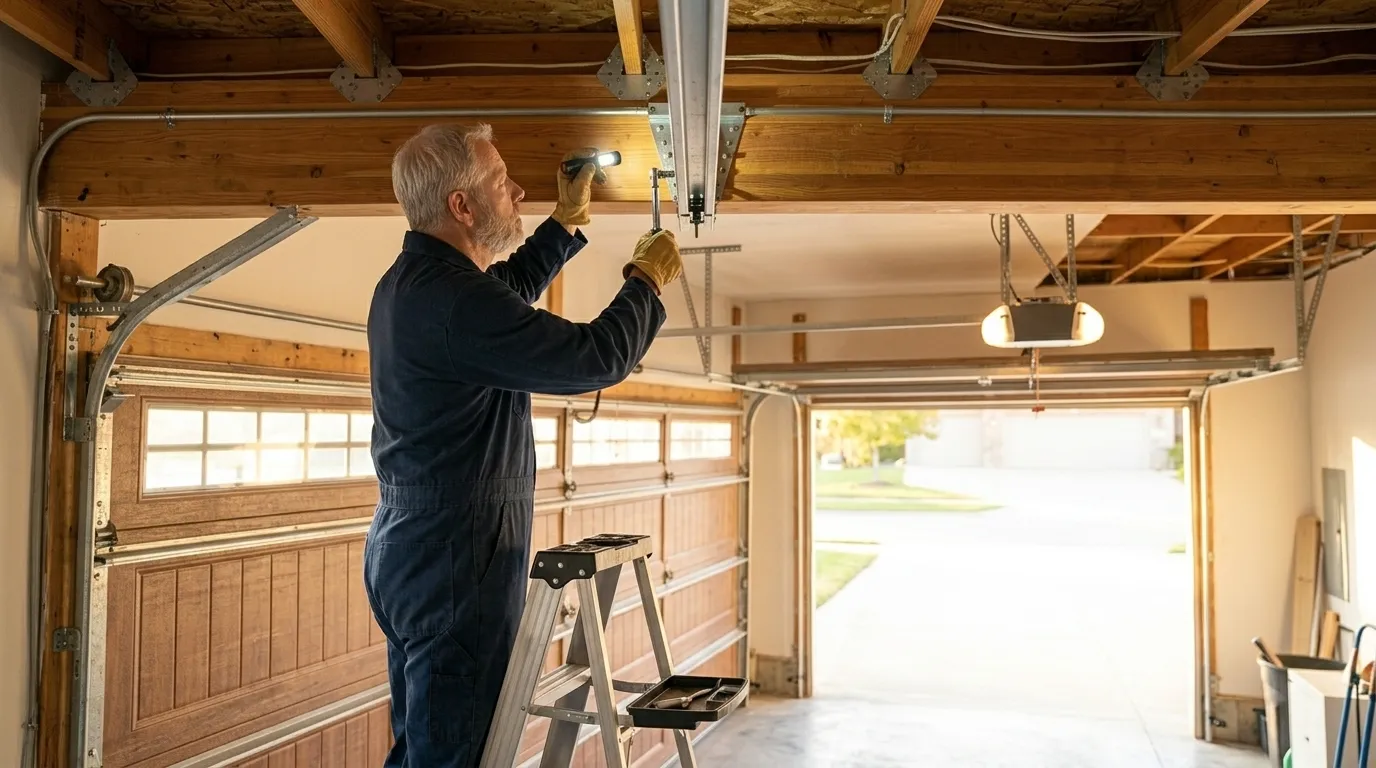
Most houses on this side of Glenview went up between 1938 and 1996, with the bulk of the stock dating to the 1960s and 70s. That matters because a door installed with the house, or close to it, is now pushing 50 to 60 years old. Start by looking at the track.
If it's bent rather than just off its bracket, that's a symptom, not the disease - something pulled on it. Check the bottom panel for rust-through, not just surface rust; on doors this old, rust at the seams usually means the steel itself has thinned. Lift the door by hand with the opener disconnected.
If it doesn't stay roughly where you leave it, the spring is tired, and on a door this old, tired usually means it's near the end of its life rather than just needing an adjustment. Look at the rollers too - original steel rollers on 60-year-old track have generally worn the track edges unevenly, which is a repair on top of a repair. None of this means panic.
It means you're deciding between fixing a part and fixing a door that keeps sending you parts.
What the Weather Here Does to It
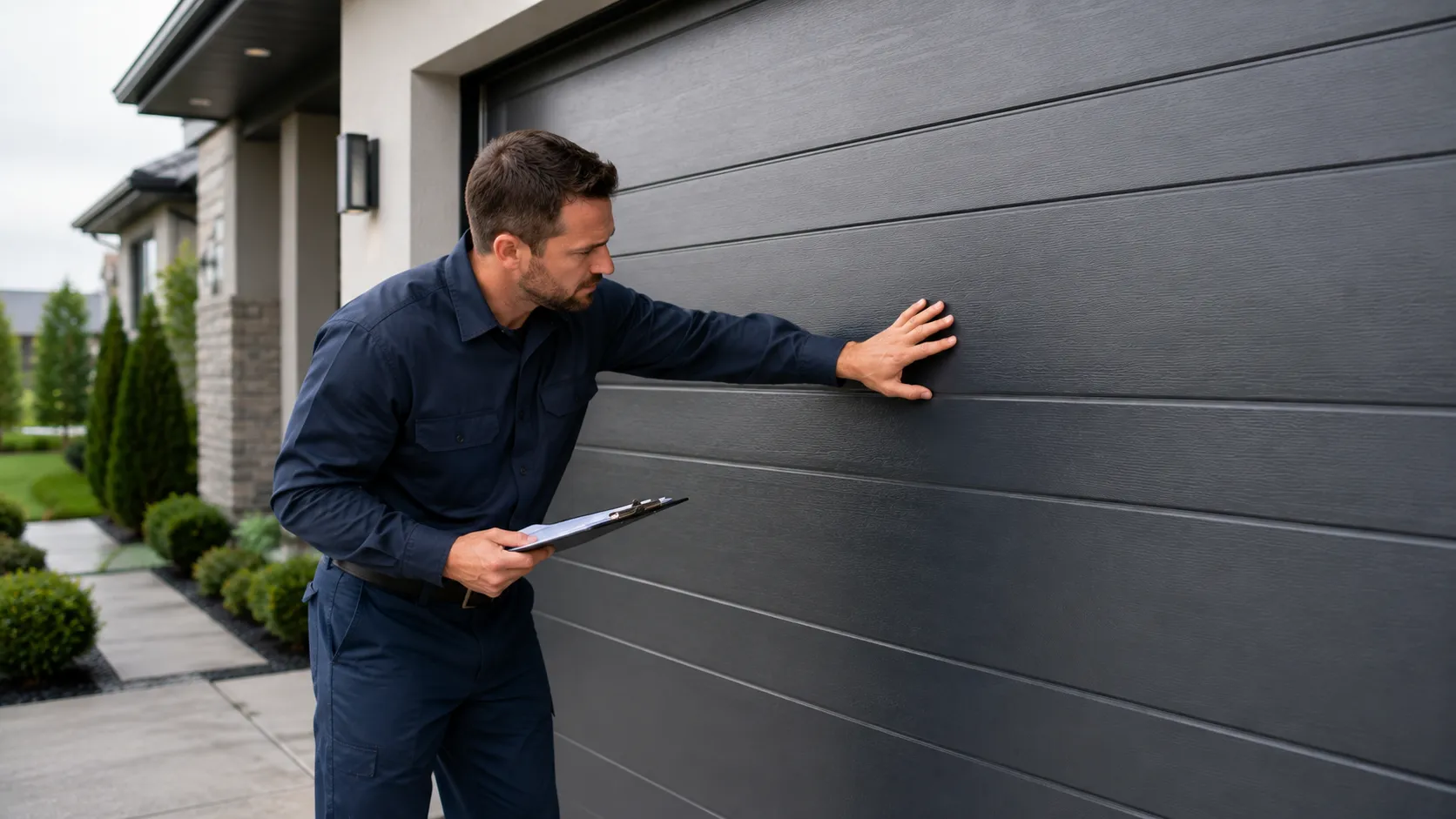
Glenview sits in a cold, moderate climate band, which means freeze-thaw cycling every winter, not just one hard freeze. That cycle is hardest on doors from the 1960s-70s era because the hardware - springs, cables, hinges - wasn't built with today's coatings. Cold makes steel springs more brittle right when they're doing the most work, since a cold garage adds resistance the opener and spring have to fight.
If your door has been groaning or catching in January and running fine in July, that's not the opener, that's the spring losing its temper season over season. Weatherstripping on original doors is often long gone or brittle, so cold air gets to the hardware directly rather than through a sealed cavity. On a newer door this is a $20 fix.
On a door built when Glenview's housing stock was going up, brittle weatherstripping is often the least of what's failing, and replacing it alone won't fix the noise or the drag you're hearing.
The Problem
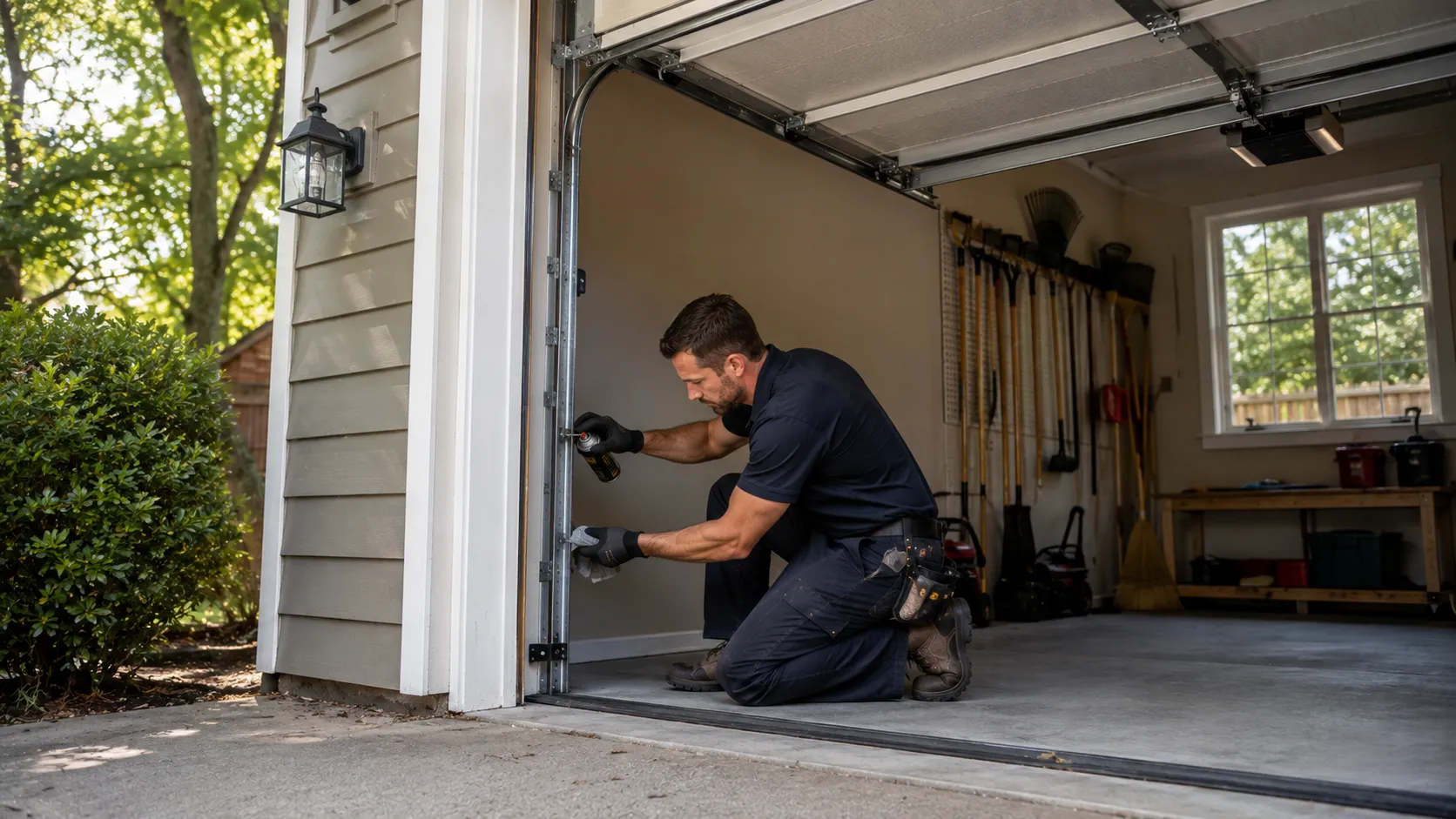
Here's the honest version: a garage door doesn't fail all at once, it fails one part at a time, and each part you replace on a door from the 1938-1996 era buys you less time than the last one did. We can swap a spring, a cable, a roller, a hinge - each of those jobs makes sense on its own. What doesn't make sense is doing three of them in eighteen months on the same door.
At that point you're not maintaining a door, you're financing its replacement in installments, and you're doing it on hardware that's already near the end of what it was built to handle. We don't carry parts for every original mechanism from that era - some of it was phased out by the manufacturers decades ago, and a part we can't source fast means your door sits broken longer than it should. That's the limitation worth saying plainly: not every old door is worth chasing, and we'd rather tell you that than keep billing you for patches.
When to Call Someone
Call before it fails all the way, not after. If you've had two separate repairs in the last year, or the door is original to a house built anywhere near the 1968 median for this area, get it looked at now while you can still choose replacement on your own schedule instead of during a cold snap when the spring finally lets go. Glenview households have the income to do this right rather than cheap, and a full replacement on a door this age usually costs less over five years than a string of individual repairs on hardware that's not getting any younger.
Bring us the age of the house if you know it, or just the door's behavior - grinding, uneven lift, a spring that's been adjusted twice already. We'll tell you straight whether it's a repair or a replacement, and we won't sell you a third spring job on a door that needs to retire.
How We Can Help
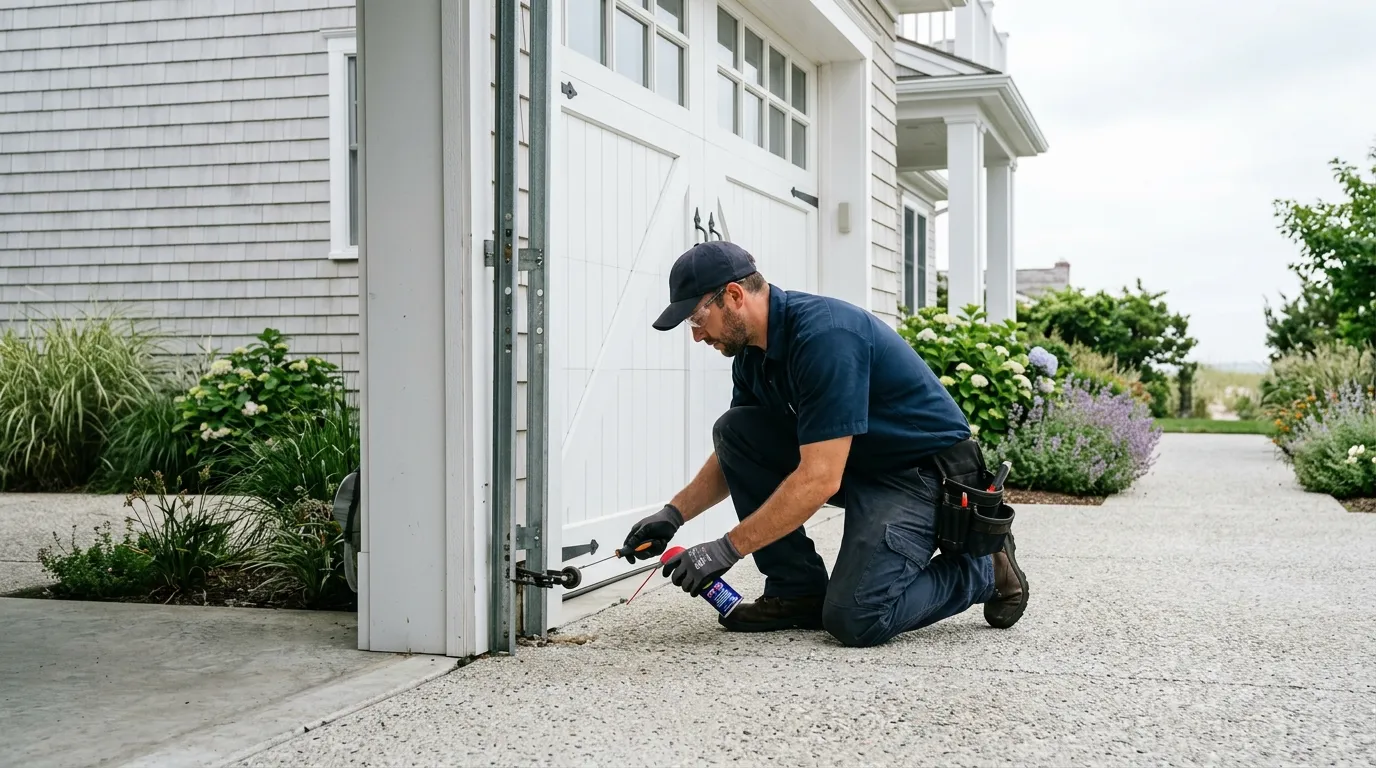
Garage Door Repair
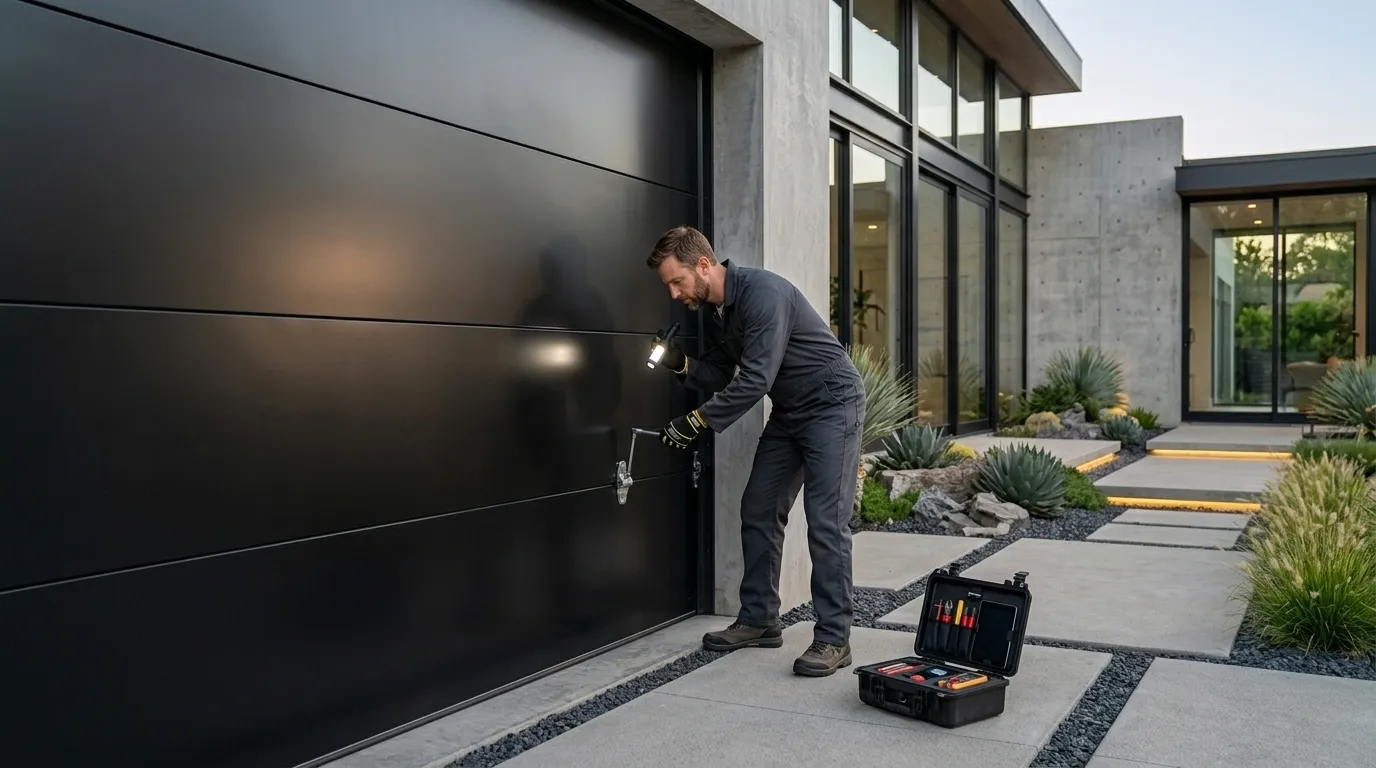
Springs, cables, tracks, rollers, and openers fixed by a tech who explains the problem before touching anything.
Learn more →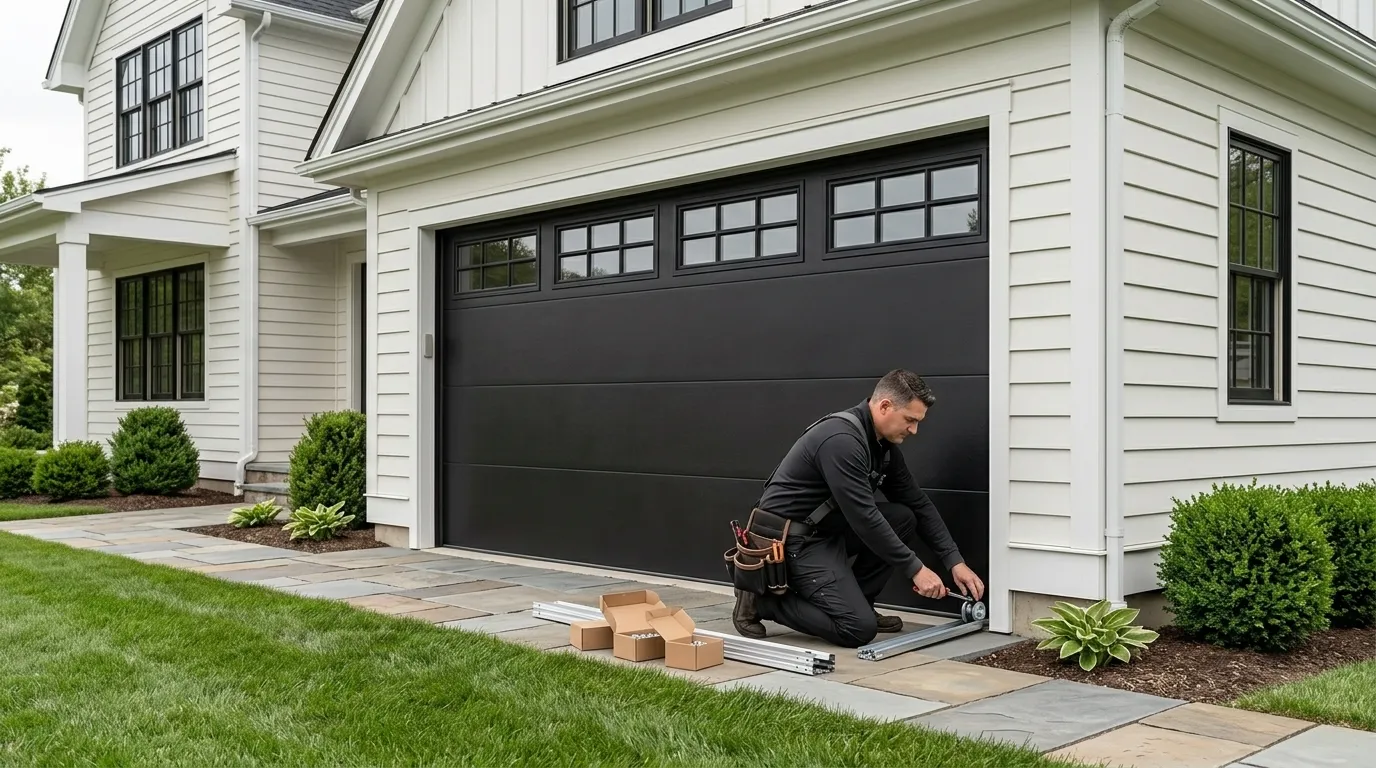
Garage Door Installation
New sectional doors sized and installed for the housing stock actually built in this area.
Learn more →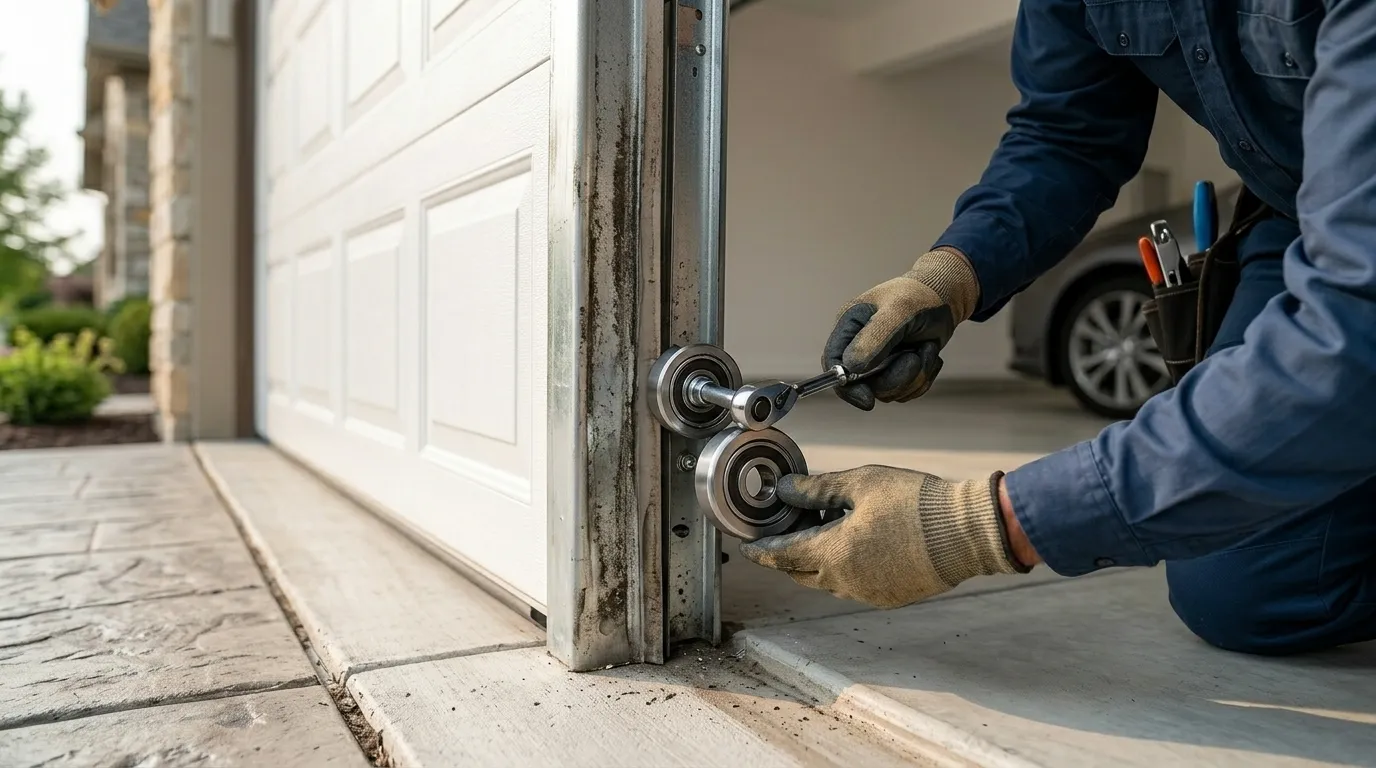
Garage Door Service
Tune-ups, lubrication, and safety checks that catch a small problem before it becomes a service call.
Learn more →Frequently Asked Questions
How old does a garage door have to be before repair stops making sense?
There's no fixed number, but on houses from Glenview's 1960s-70s stock, once a door has needed two or three separate hardware repairs within a year or two, you're usually past the point where another repair pays for itself. At that stage the whole assembly is aging at once, not just the part that broke.
Does the cold really wear out garage door parts faster here?
Yes. Glenview's cold, moderate climate band means repeated freeze-thaw cycles each winter, and that cycling is harder on steel springs and cables than a single cold spell would be. Doors built before modern coatings were standard feel this more, which is most of the original hardware still in use on older Glenview houses.
Can you always get parts for an older door?
Not always. Some hardware from houses built in the 1938-1996 range was discontinued by the manufacturer years ago. When we can't source an exact match fast, we'll tell you that up front rather than leave your door half-fixed waiting on a part.
Have a Door That Needs a Second Opinion?
Call and describe what it is doing - we will tell you what it likely is.