
Glenview Garage Door Guide
What Glenview's 1960s and 70s Housing Stock Means for Your Garage Door
Most Glenview garage doors date to the 1960s and 70s, built before modern insulation codes existed. Here is what that means for repair or replacement.
- Licensed & Insured
- Same-Area Service Calls
- Upfront Pricing
Checking It Yourself
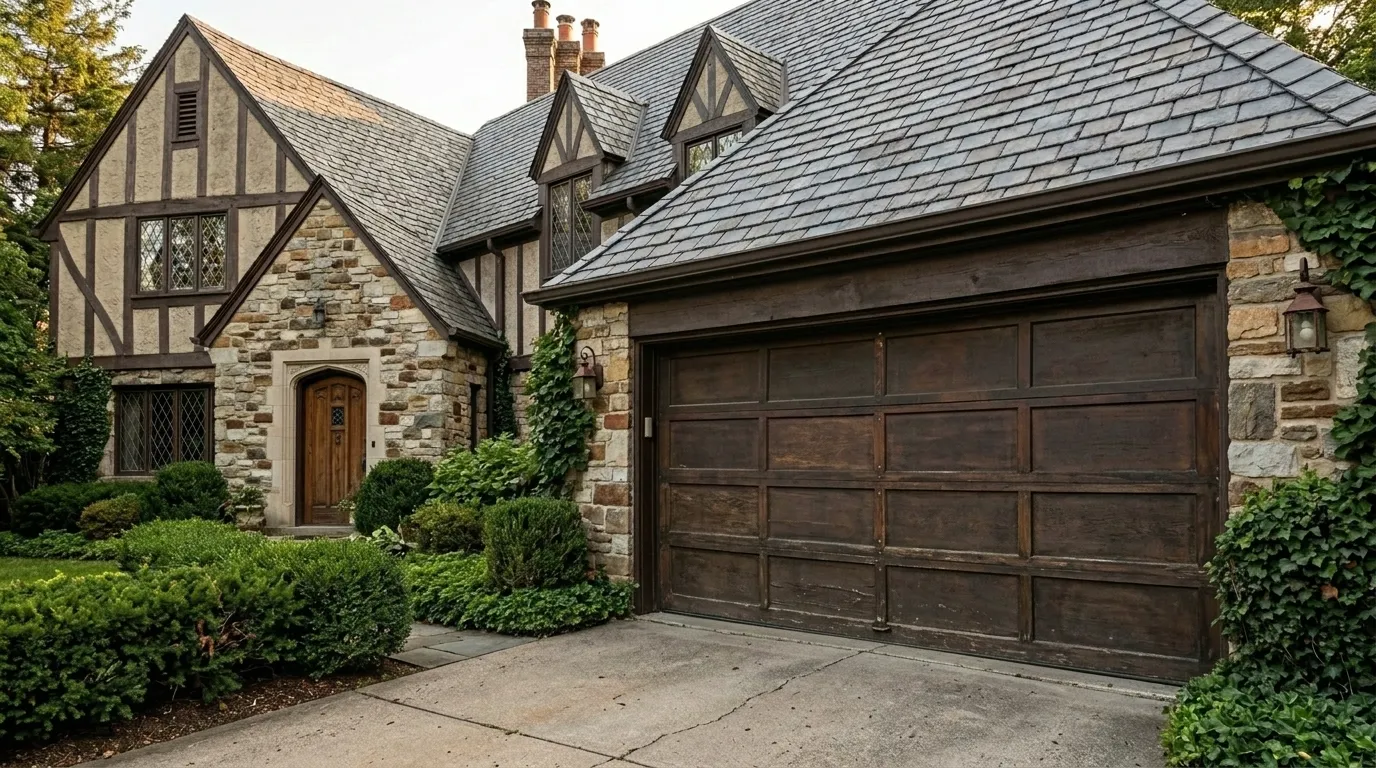
Most houses on this side of Glenview date to the 1960s or 70s, with the wider range running 1938 to 1996. That matters because a door installed on one of these houses in, say, 1975 was hung on hardware nobody has made in decades: side-mounted torsion springs on a stationary cone, lighter steel track, and a header that was never built to carry a heavier insulated replacement door.
Start at the track. Pull the door halfway and look at the horizontal run above the opening - the bracket that holds it to the wall should sit tight against the wood, not pulled forward with daylight behind it. On a house from the 1960s or 70s, that bracket has had fifty-plus years of seasonal wood movement working against the same four lag screws.
Next, look at the bottom panel where the door meets the slab. If the house predates modern rules requiring door insulation, you'll likely find a single layer of steel with no thermal break - cold to the touch in January, and often the first spot to show rust-through where snowmelt sits against the edge.

What the Weather Here Does to It
Glenview sits in a cold, moderate climate band - not the brutal extremes of the northern Midwest, but enough freeze-thaw cycling every winter to work steel and springs harder than a mild climate ever would. Torsion springs lose tension faster when they swing from summer heat in a closed garage to sub-zero steel in January; that's normal wear, not a defect, but it means the spring on an older door doesn't carry the safety margin a new one does.
The bigger issue on houses from this era is the door itself. A single steel skin with no insulation contracts more than a modern sandwich-panel door, and on a long cold snap that contraction is enough to pull weatherstripping away from the frame - you'll feel the draft along the bottom seal before you see it. Condensation is the other tell: uninsulated steel sweats when the garage warms up faster than the door, and that moisture runs down the inside face and pools at the bottom bracket, which is usually where the rust that finally kills the panel starts.
The Problem
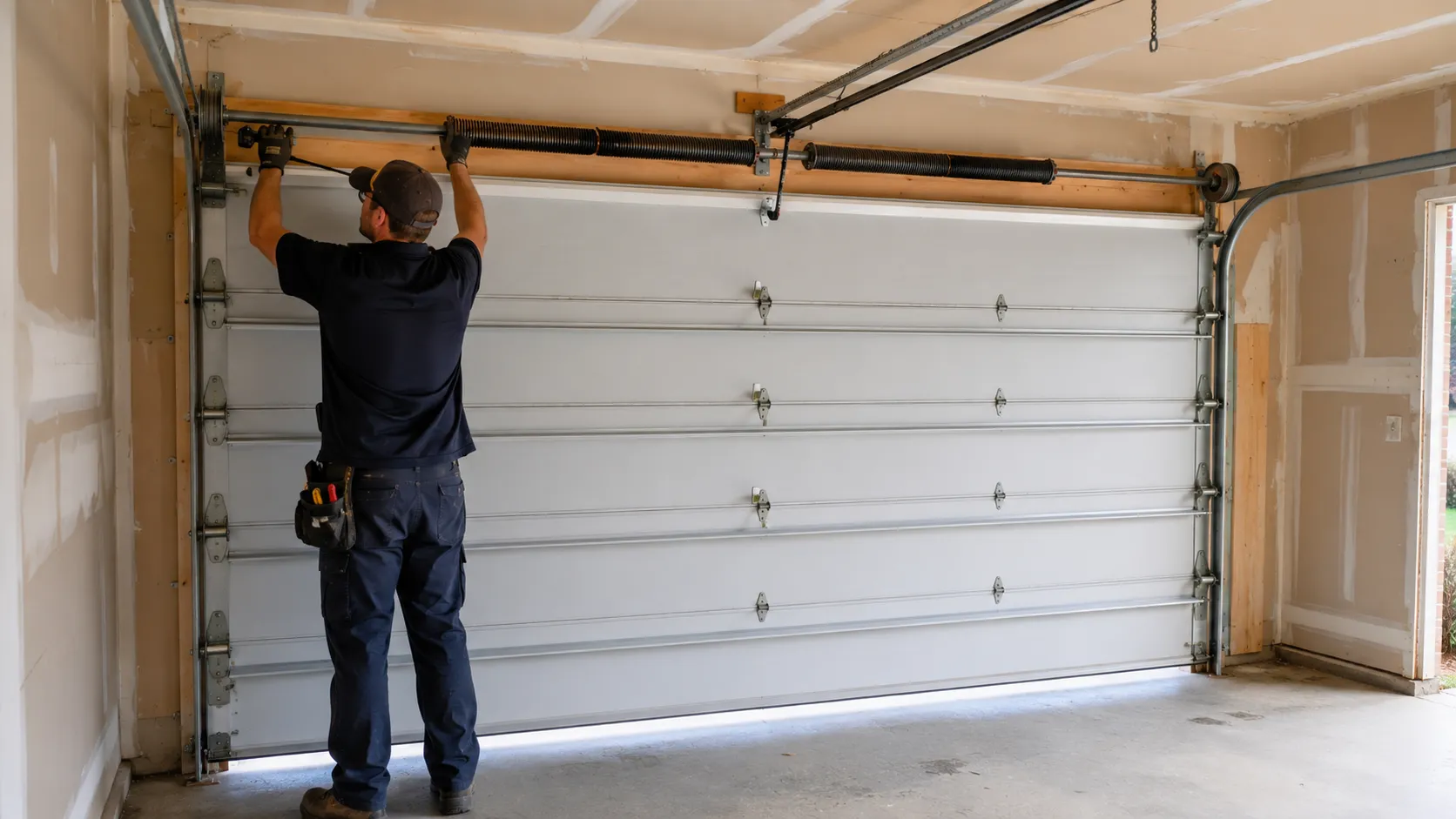
Doors on houses built before insulation rules were required went up with whatever steel gauge and hardware was standard at the time, not what current code calls for. Glenview's housing stock runs 1938 to 1996 with most of it landing in the 1960s and 70s - squarely in the decades before insulated garage doors were the default rather than the upgrade.
That means three things show up together, over and over: a door with no thermal break, a spring sized for that door's original, lighter weight, and an opener - if one was ever added - mounted on a header never engineered for the load. Swap in a modern insulated door without checking the spring and header, and you've got a door that's too heavy for its own hardware.
This isn't a flaw in the original door. It was built to the standard of its decade, and that standard didn't include insulation.
When to Call Someone
A stuck door, a spring that's obviously broken, cables that have jumped the drum - those are calls, not projects. Don't put weight on a torsion spring system yourself; it's under enough tension to break a hand.
Where it gets less obvious is the in-between case: a door from the 1960s or 70s that still runs but rattles more than it used to, or a bottom panel that's rusting while the rest of the door is sound. That's a judgment call, and it comes down to the house. If your garage sits on the older end of Glenview's 1938-to-1996 range and the track, header, and spring are all original, patching the one bad panel usually costs more over five years than replacing the whole door once with something insulated and rated for current hardware.
One honest limit: we don't stock every obsolete spring size and track profile that shipped on doors from this era, and some parts have a lead time before we can get to them. If your door was an unusual setup even for its decade, we'll tell you that up front rather than guess at a fix.
We work this side of the North Shore and the near-northwest suburbs - from Northfield and Golf three miles out to Winnetka, Glencoe, Niles, Prospect Heights, and Wheeling within six, and farther out toward Rosemont, Riverwoods, and Lincolnshire. See our service area.
How We Can Help
Garage Door Repair
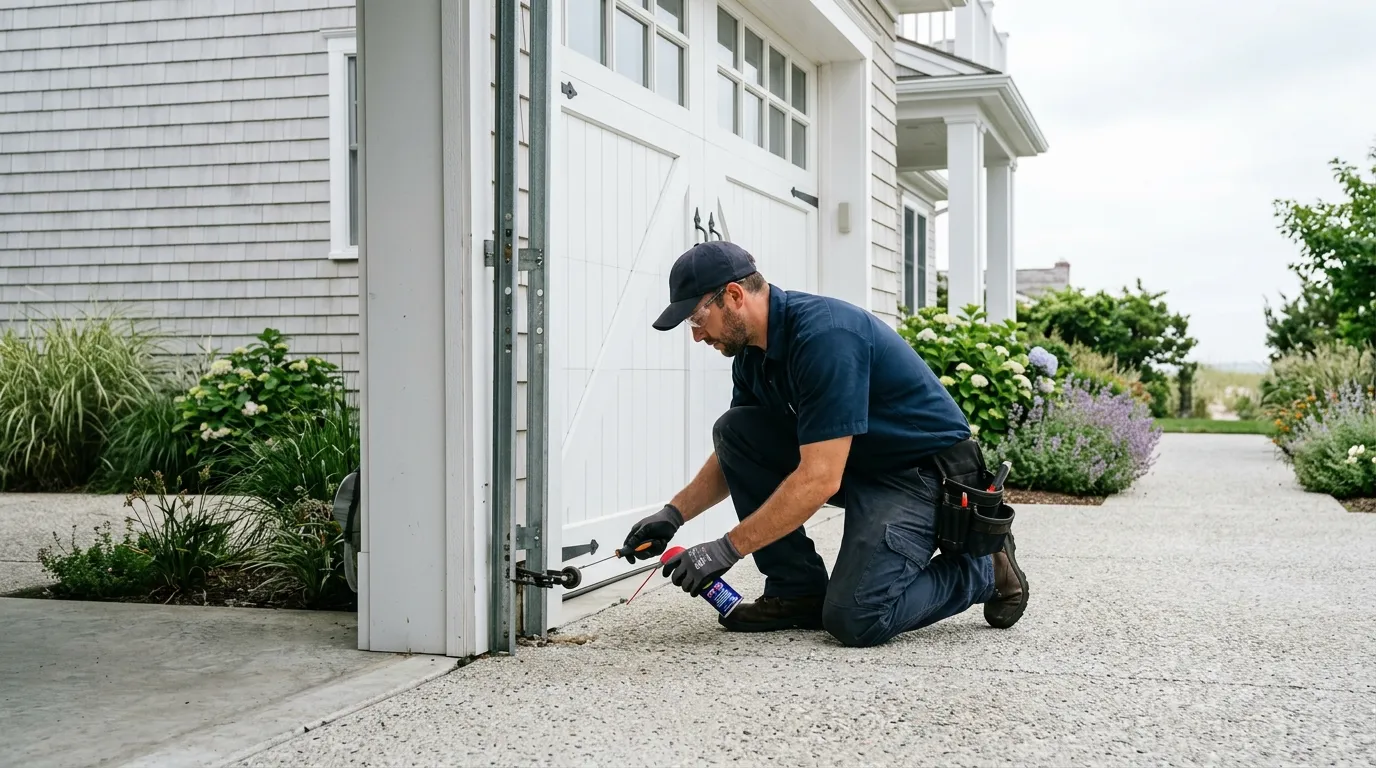
Springs, cables, tracks, rollers, and openers fixed by a tech who explains the problem before touching anything.
Learn more →
Garage Door Installation
New sectional doors sized and installed for the housing stock actually built in this area.
Learn more →
Garage Door Service
Tune-ups, lubrication, and safety checks that catch a small problem before it becomes a service call.
Learn more →Frequently Asked Questions
Is my garage door original to my house if it was built in the 1960s?
Probably not the door itself, but the track, header, and spring hardware often are. Most houses on this side of Glenview date to the 1960s or 70s, and it's common for a homeowner to have replaced the door panel once already while the original torsion hardware stayed in place underneath it.
Why does my old steel door sweat on the inside in winter?
Uninsulated steel, common on doors from Glenview's 1938-to-1996 housing stock, warms up slower than the air around it once the garage heats up. Moisture in that warmer air condenses on the cold steel, runs down the panel, and pools at the bottom bracket - usually where rust shows up first.
Should I fix an old uninsulated door or replace it?
If the track, header, and spring are original and sound, patching one rusted panel can make sense short term. But over five years it often costs more than replacing the whole door once with an insulated model rated for current hardware - especially on houses from the 1960s and 70s where the original setup wasn't built for a heavier door.
Do you carry parts for older torsion spring setups?
Not every obsolete spring size or track profile from that era is something we keep on hand, and some parts carry a lead time before we can get to the job. If your door has an unusual setup for its decade, we'll say so up front instead of guessing at a fix.
Have a Door That Needs a Second Opinion?
Call and describe what it is doing - we will tell you what it likely is.