
Glenview Garage Door Guide
Openers, Power Cuts, and the Older Doors Behind Them in Glenview
Glenview homes built between 1938 and 1996 often pair newer openers with older doors. Here's what a power cut does to that setup and when it's worth a call.
- Licensed & Insured
- Same-Area Service Calls
- Upfront Pricing
Checking It Yourself
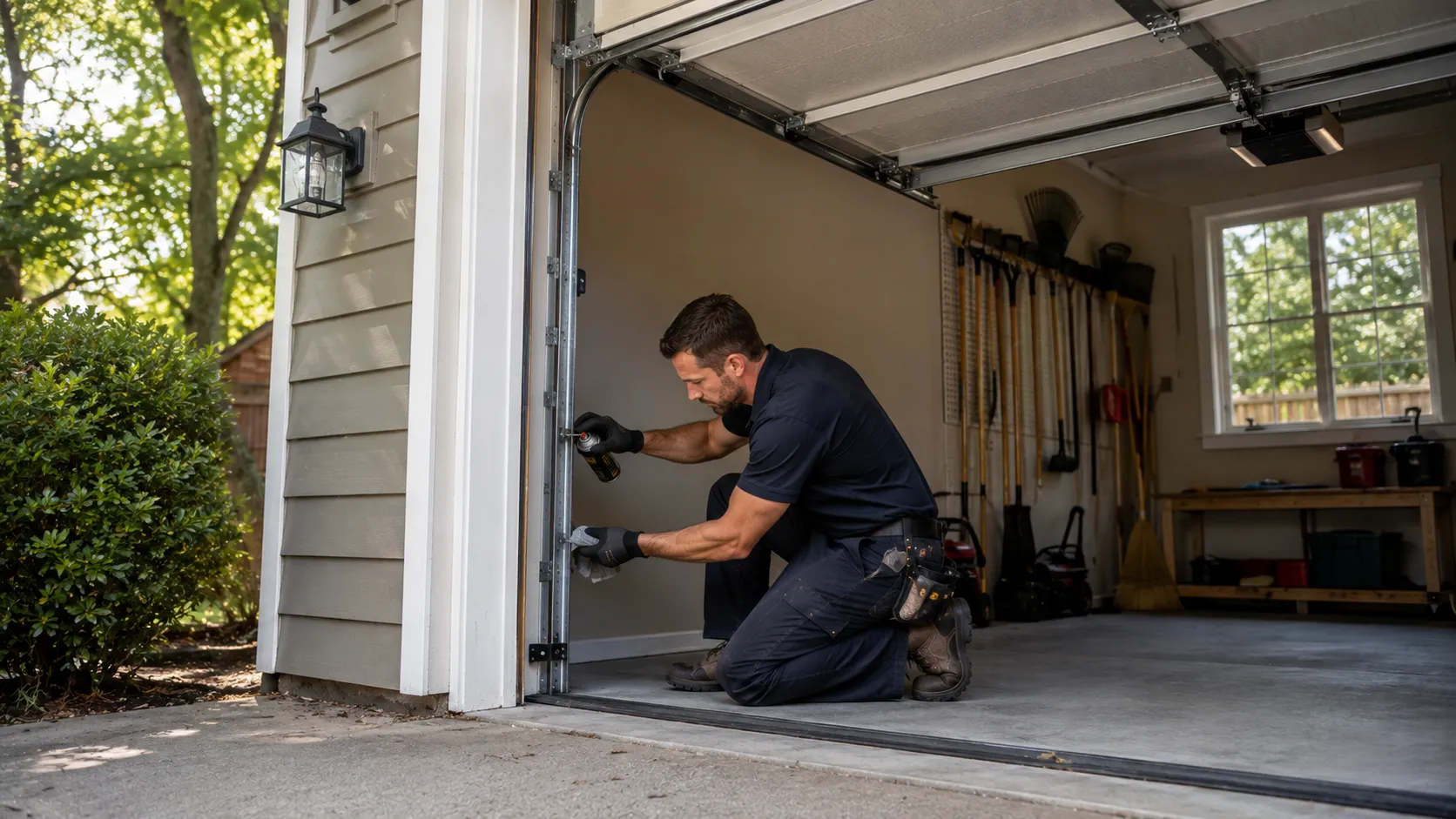
Start at the wall unit, not the ceiling. If the door won't move on opener command but the motor hums or clicks, the trolley may have disengaged from the carriage - pull the emergency release cord and see if the door lifts by hand with reasonable effort. If it's heavy or catches partway, that's a spring problem, not an opener problem, and no amount of opener troubleshooting fixes it.
Next check the wall switch itself: a loose low-voltage wire at the terminal, chewed by age or a stray staple from a past renovation, is a common reason a unit goes dead without warning. If you have a battery backup opener, listen for a chirp pattern during an outage - that's the unit telling you it's on battery, not that it's failing. Test the photo-eye sensors last: wipe both lenses, make sure they're aligned, and confirm the indicator lights are steady, not blinking.
One honest limit here - if the opener is original to a mid-century install and the logic board has already failed once, we don't recommend chasing intermittent faults with replacement parts on a board that old.
What the Weather Here Does to It
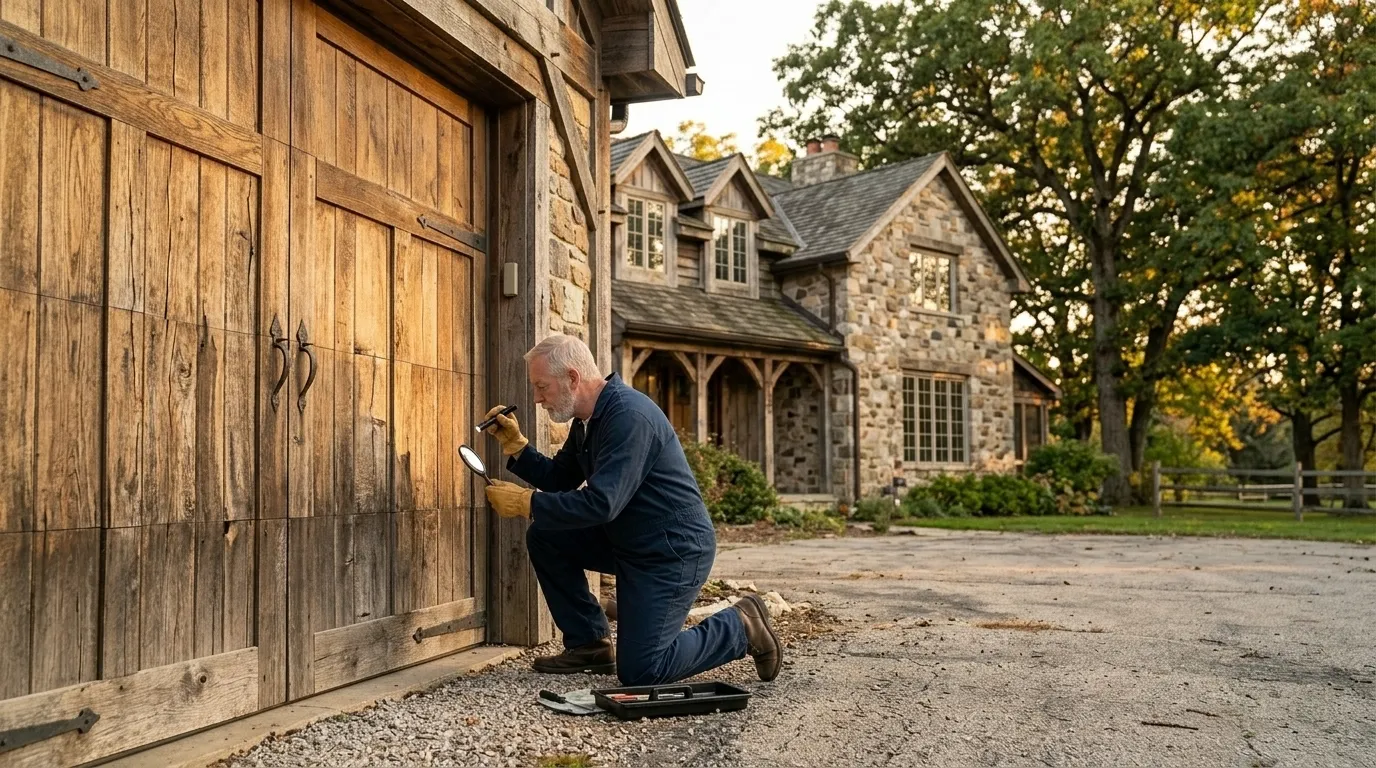
Glenview sits in a cold-moderate climate band, and that shows up in openers before it shows up anywhere else on the door. Cold-soaked grease in an older screw-drive or chain-drive unit thickens and slows the carriage, which the opener's logic reads as an obstruction - it reverses, and the owner assumes the sensor is broken when it's really just cold lubricant. Battery backup packs lose a meaningful share of their capacity below freezing, so a unit that ran fine on battery in October may not carry the door through a January outage at all.
Weatherstripping around the door frame also stiffens in the cold, adding resistance the opener has to work against on every cycle, which shortens gear life over a winter. None of this is dramatic - it's cumulative wear that shows up as a dead opener on the coldest night of the year, which is also the night you're least likely to want to be lifting a torsion-sprung door by hand in the driveway.
The Problem
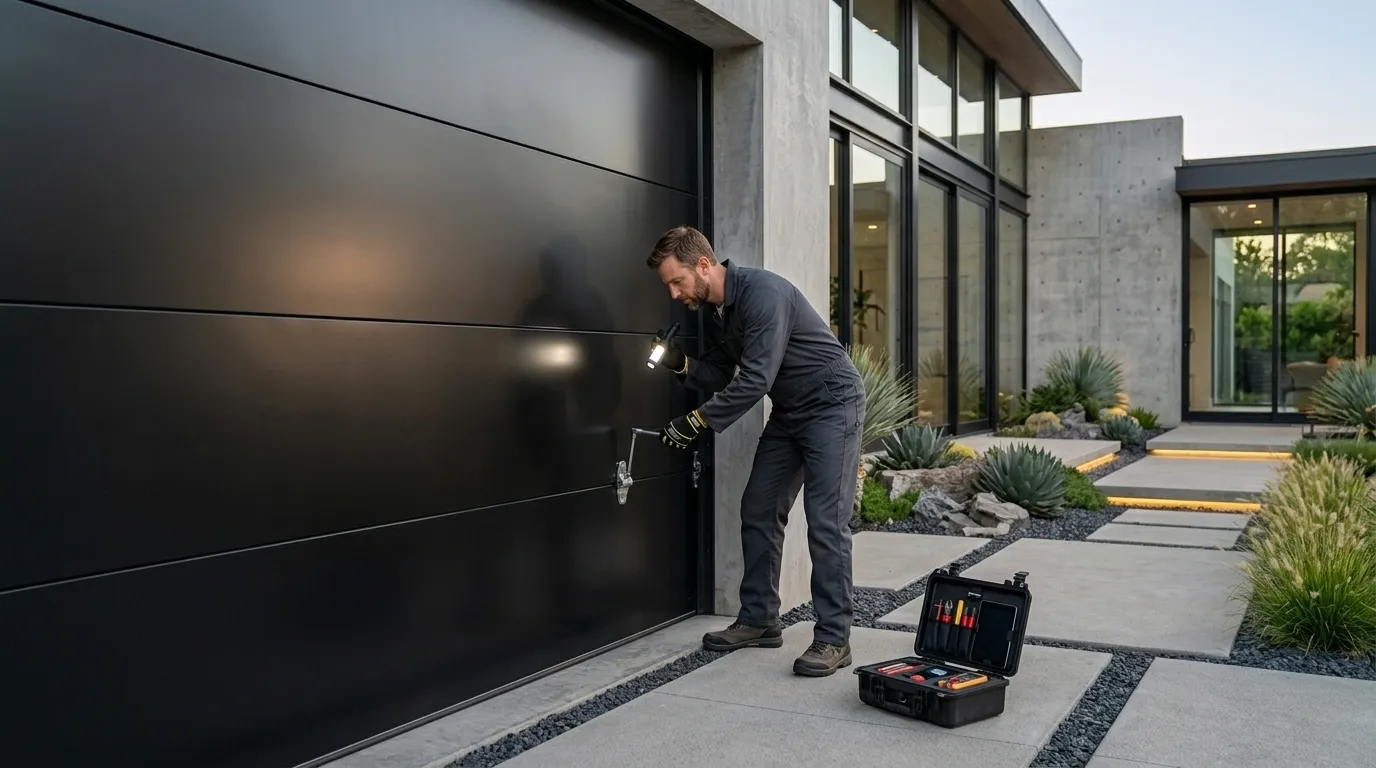
Housing in this area was built mostly between 1938 and 1996, with a median around 1968, and most of that stock across the neighborhoods here dates to the 1960s and '70s. That matters for openers because very few of those garages were wired with a dedicated circuit or GFCI outlet when they were built - openers got added decades later onto whatever outlet was nearest, often shared with a freezer or a shop light. When the power cuts, it's frequently that shared circuit tripping, not a grid-wide outage, and the fix is an electrician's job, not an opener repair.
On top of that, a lot of these garages have older doors that were never rebalanced when a new opener went in - the opener is doing work the springs should be doing, which draws more current, trips breakers faster, and wears the motor down years ahead of schedule. Fixing the opener without fixing the spring balance behind it just buys you a shorter second opener life.
When to Call Someone
Call if the door won't respond to either the wall switch or the remote and the manual release also feels heavy - that's spring tension, not electronics, and it's not safe to keep forcing with the opener. Call if breakers keep tripping specifically when the door cycles, since that points to a motor drawing too much current, often because of the imbalance described above. Call if a battery backup unit stopped holding charge through even a short outage - packs don't get better with age, and testing them properly needs load equipment most homeowners don't have on hand.
We won't tell you to replace a working opener just because it's old; if it's cycling fine and the safety sensors test correctly, there's no reason to swap it out early. But an opener fighting an unbalanced door on a house built decades before dedicated garage circuits were standard isn't a wait-and-see situation.
How We Can Help
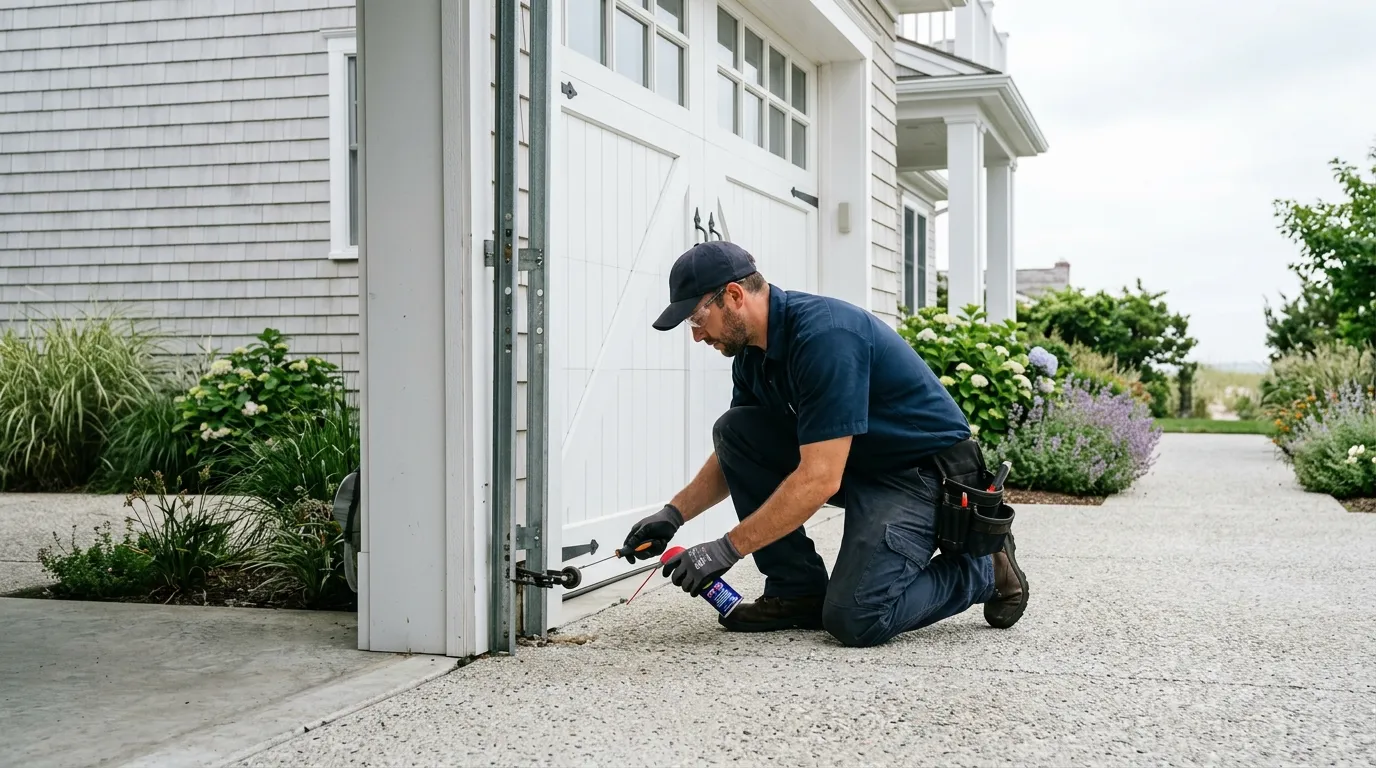
Garage Door Repair
Springs, cables, tracks, rollers, and openers fixed by a tech who explains the problem before touching anything.
Learn more →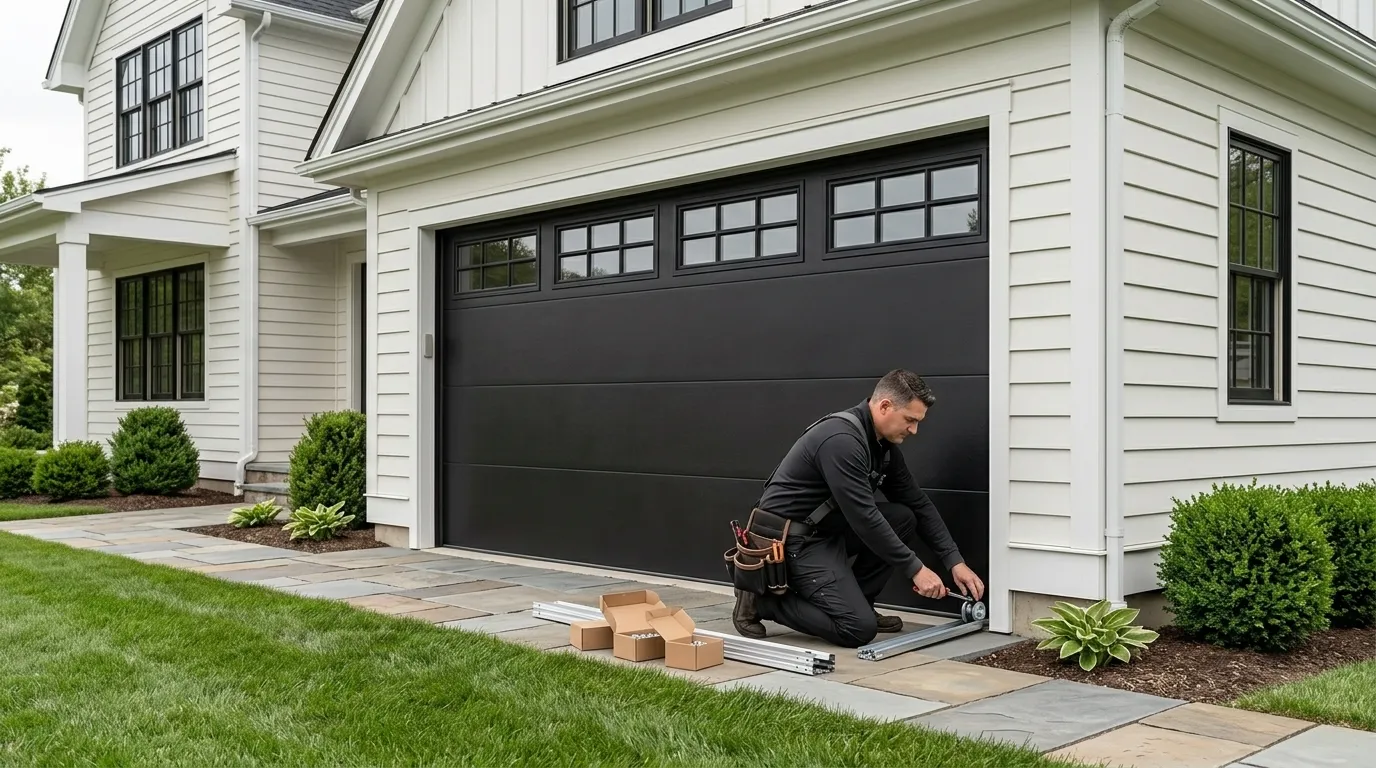
Garage Door Installation
New sectional doors sized and installed for the housing stock actually built in this area.
Learn more →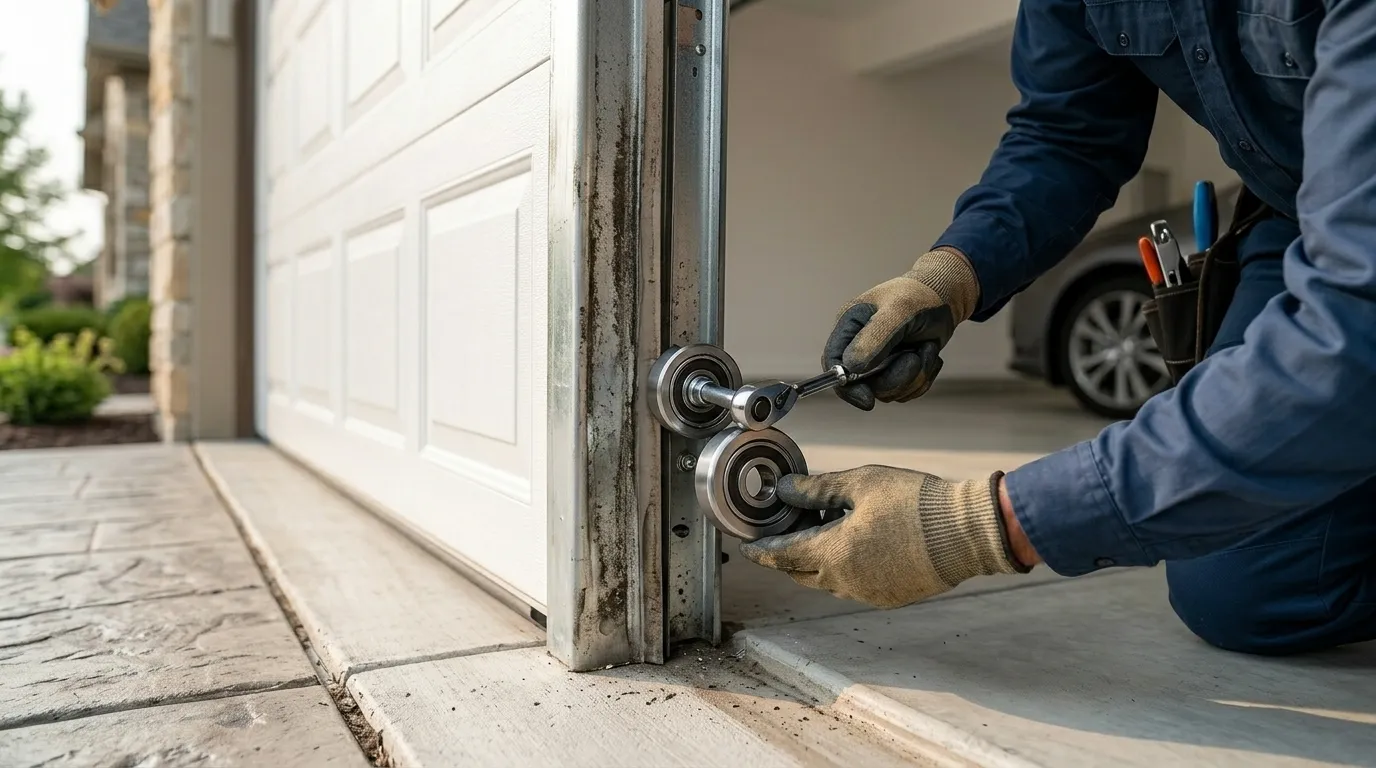
Garage Door Service
Tune-ups, lubrication, and safety checks that catch a small problem before it becomes a service call.
Learn more →Frequently Asked Questions
Why does my opener work fine most of the year but fail in winter?
Cold thickens the grease in the drive mechanism and drains battery backup capacity faster than warm weather does. If your opener is original or older, the motor has to push harder against stiffened weatherstripping too, and that combination is often what finally trips a breaker or stalls the motor on the coldest nights.
Is a power cut usually the whole street or just my garage?
In homes here that got openers added years after the original wiring, a tripped shared circuit is far more common than an actual outage. Check whether other outlets on the same circuit - often a freezer or shop light in the garage - lost power too before assuming it's a grid issue.
Should I replace my opener or the springs first?
If the opener is straining, chirping under load, or the door feels heavy on manual release, the springs are usually the real problem. An opener installed on an unbalanced door burns out faster no matter how new it is, so balance gets fixed before or alongside any opener work.
Is it worth adding a battery backup opener in this area?
It depends on how often outages hit your circuit and how much that matters to you - we don't have outage-frequency data for Glenview specifically to make that case for you. What we can say is that any backup battery you do install will lose capacity in cold weather, so size expectations accordingly.
Have a Door That Needs a Second Opinion?
Call and describe what it is doing - we will tell you what it likely is.