
Glenview Garage Door Guide
Is Your Glenview Garage Door Still Worth Fixing
Most Glenview houses date to 1938-1996, with a lot of 1960s stock. Here's how to tell if your original door and hardware are still worth repairing.
- Licensed & Insured
- Same-Area Service Calls
- Upfront Pricing
Checking It Yourself
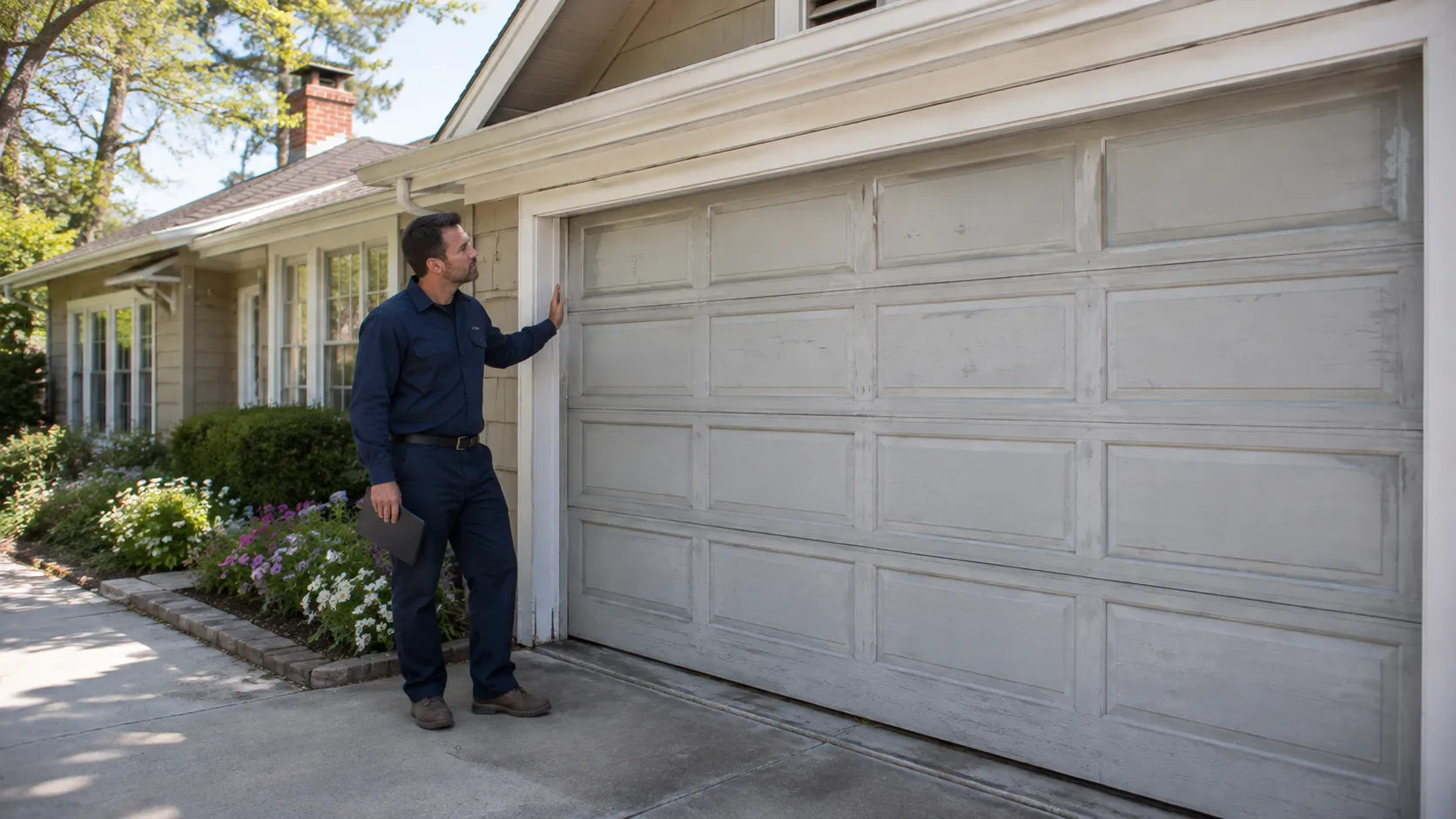
Glenview's housing runs 1938 to 1996, with the median build year sitting at 1968 and most of the stock across the area's named neighborhoods dating to the 1960s and '70s. If your house falls in that range, there's a decent chance the garage door and its hardware are original or close to it. Start by looking at the springs - torsion springs on doors from that era are often side-mounted rather than center-mounted, and replacement parts for that setup aren't something every supplier keeps on the shelf.
Lift the door by hand with the opener disconnected. If it's balanced, it should stay at waist height on its own. If it drops or shoots up, the spring tension is off and that's not a DIY fix.
Check the track for rust pitting at the rollers, and look at the panel seams for daylight gaps - on a door built before double-wall steel construction became standard, a gap means the insulation, if there was ever any, has likely failed. None of this tells you whether to replace the door, but it tells you what you're dealing with before anyone gives you a number over the phone.
What the Weather Here Does to It
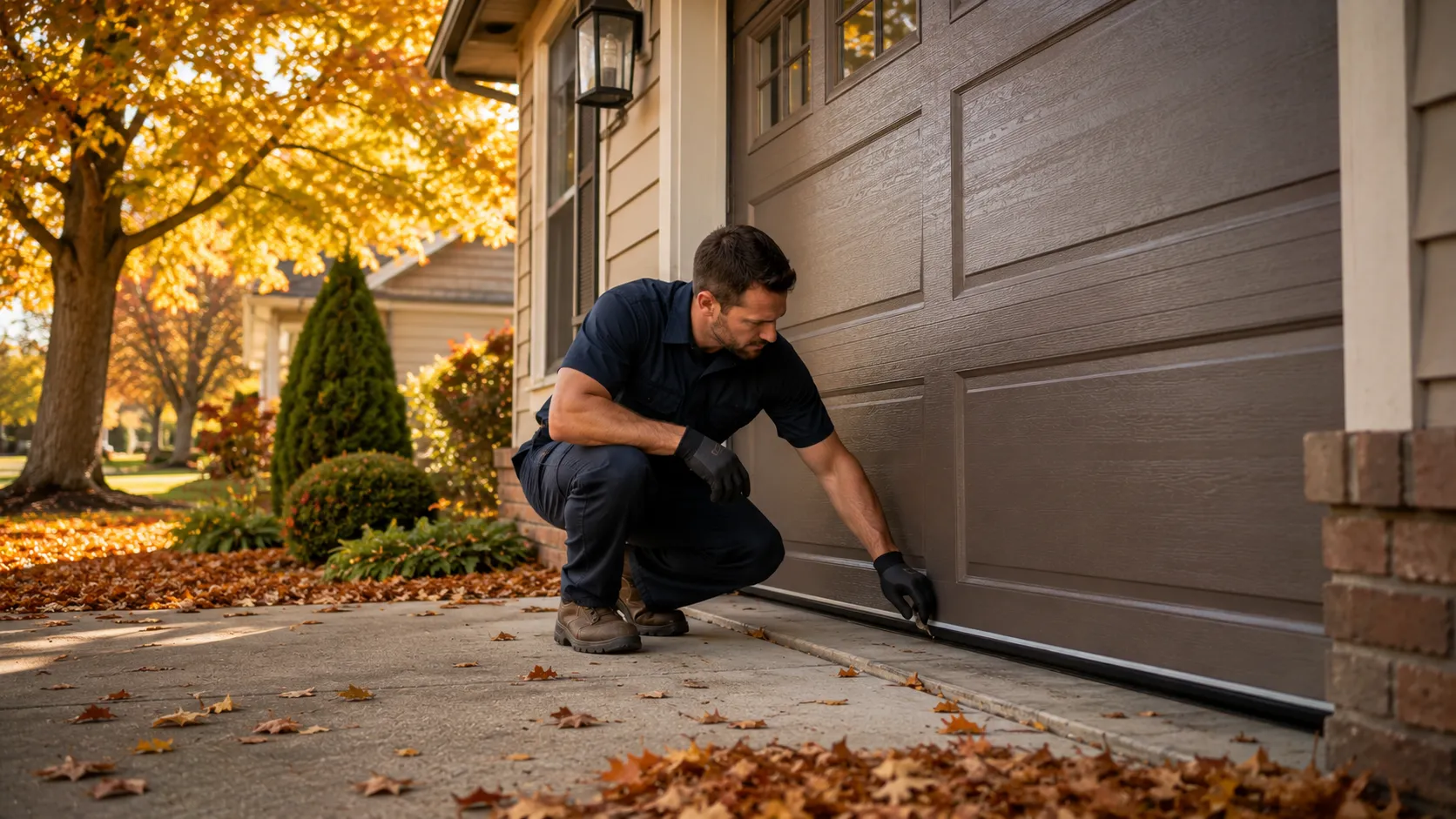
Glenview sits in a cold, moderate climate band, which means the garage door hardware goes through a real freeze-thaw cycle every winter, not just the occasional cold snap. Steel springs contract in low temperatures and lose a bit of tension exactly when a heavier, colder door is asking more of them - that combination is why a lot of spring failures happen on the first genuinely cold morning of the season rather than mid-winter. Nylon rollers original to a 1960s or '70s install get brittle over repeated freeze cycles and start cracking at the edges, which shows up as a grinding sound before it shows up as a stuck door.
Weatherstripping on an older door, especially anything installed before vinyl bottom seals were standard, tends to compress and stop sealing well once it's been through enough winters, letting cold air track into an attached garage. None of this is dramatic weather - no named storm event to point to - it's just the ordinary cold-band cycle wearing on hardware that in a lot of these houses has already been through fifty-plus winters.
The Problem
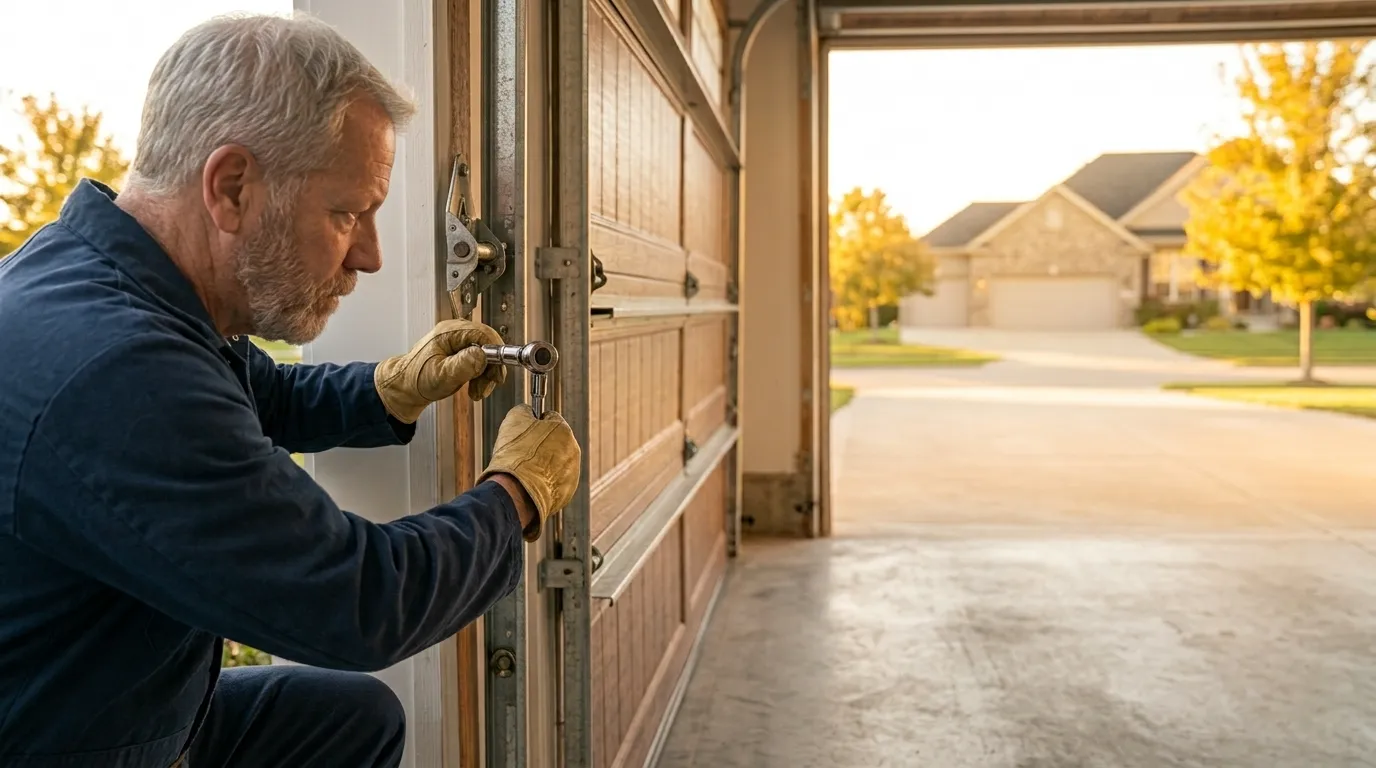
The core issue with an older Glenview door isn't usually the panel - steel holds up fine for decades if it isn't dented. It's the hardware underneath: torsion springs sized for a wood-panel door that's since been replaced with a heavier insulated one, rollers and hinges that were never upgraded, and openers with drive systems that predate today's safety sensors. Because so much of the area's housing clusters in that 1938-1996 window, a lot of doors are carrying combinations of parts from different decades - a spring replaced in the '90s, an opener from the 2000s, a track that's original.
That mismatch is what makes a repair estimate hard to give without seeing it. A door that's structurally sound but running on original torsion hardware from the '60s or '70s is usually worth fixing. A door with warped panels, a bent track, and an opener that's failing too is a different conversation - at that point you're paying for three separate repairs instead of one replacement.
When to Call Someone
Call before you touch anything if the door won't move and you can see a gap in the spring coil - that's a broken torsion spring, and it's under enough tension to cause a real injury if it lets go while you're working near it. Call if the door is noticeably heavier to lift by hand than it used to be; that's usually spring fatigue, common on original hardware from the 1960s-70s stock that makes up most of the area. And call if you're hearing metal-on-metal grinding at the rollers, since letting that go usually turns a $200 roller job into a track replacement.
One honest limit: we don't stock every part for every era of door on the truck, and something specific to a 1940s or '50s install occasionally means a short wait on a part. We'll tell you that up front rather than guess at a same-day fix that isn't realistic.
How We Can Help
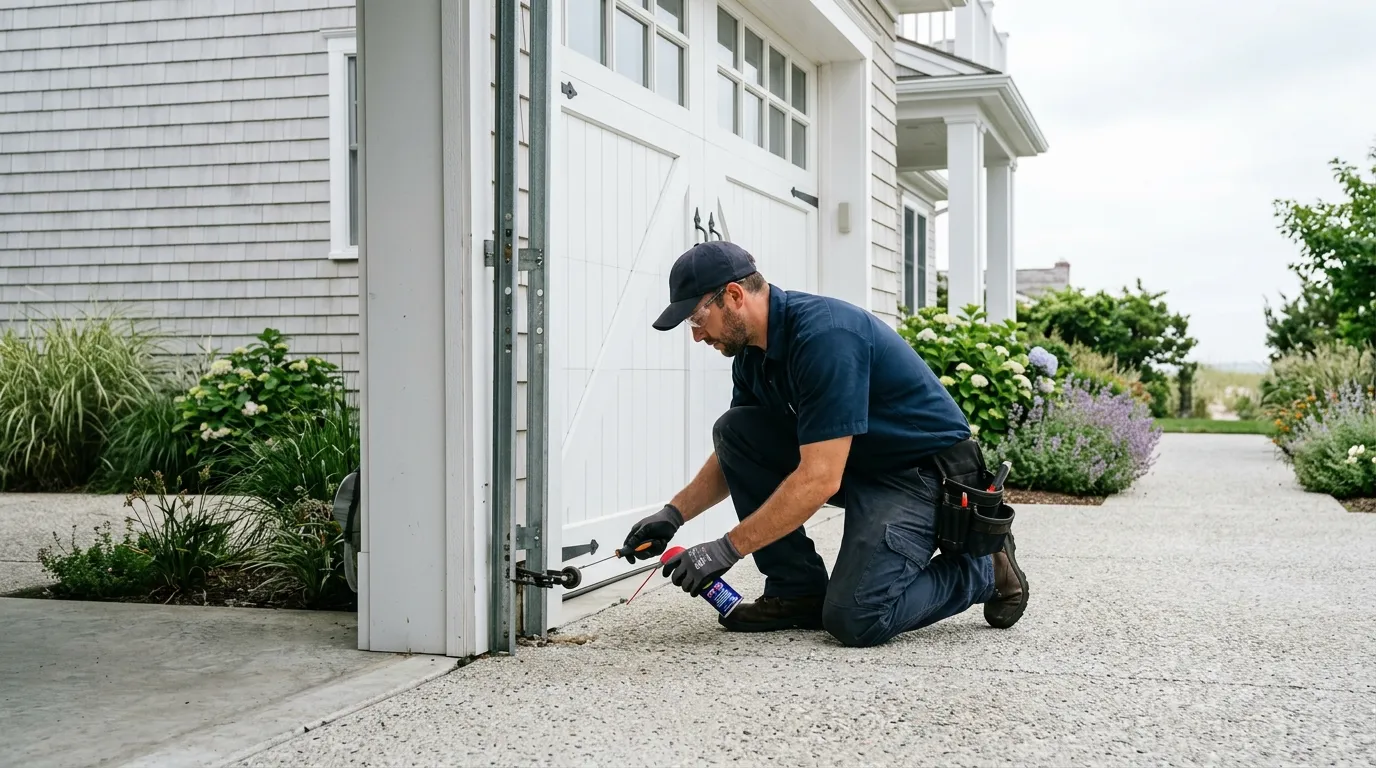
Garage Door Repair
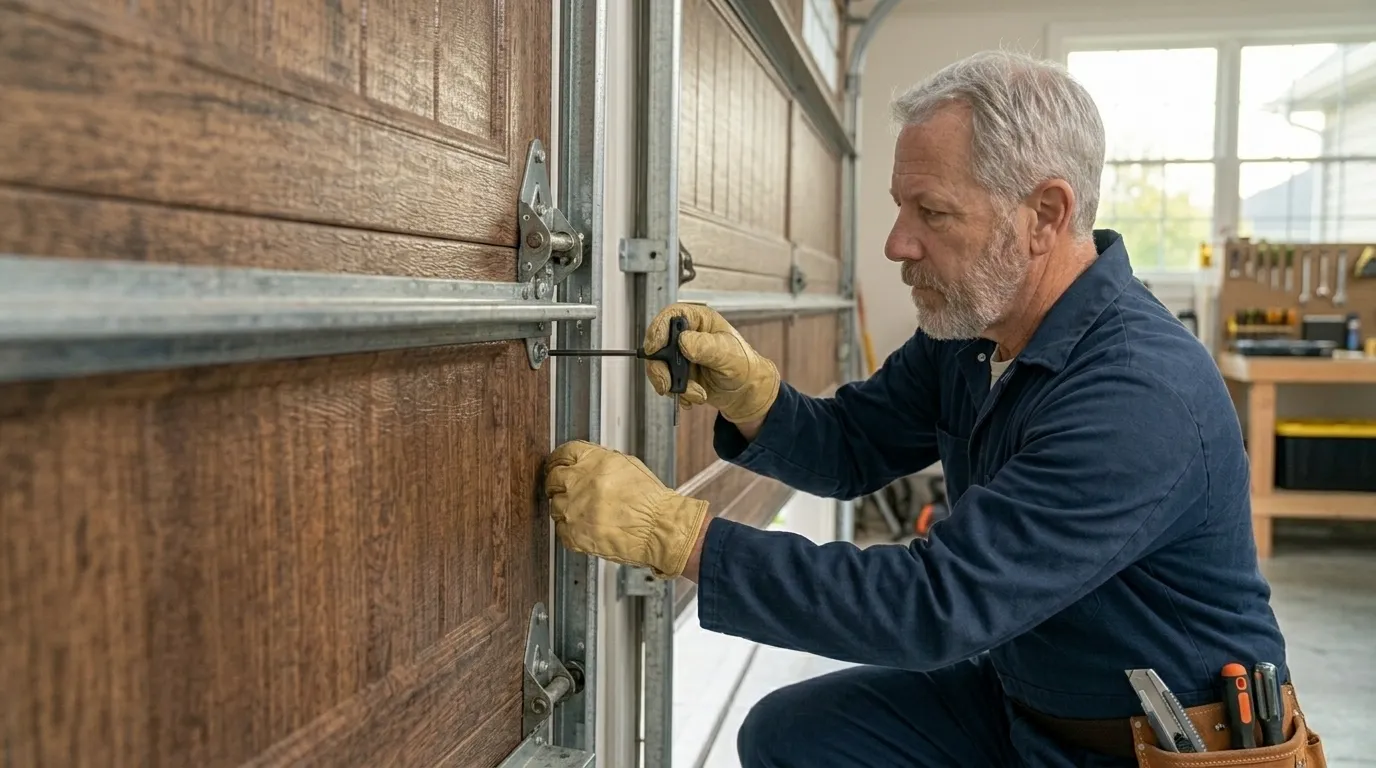
Springs, cables, tracks, rollers, and openers fixed by a tech who explains the problem before touching anything.
Learn more →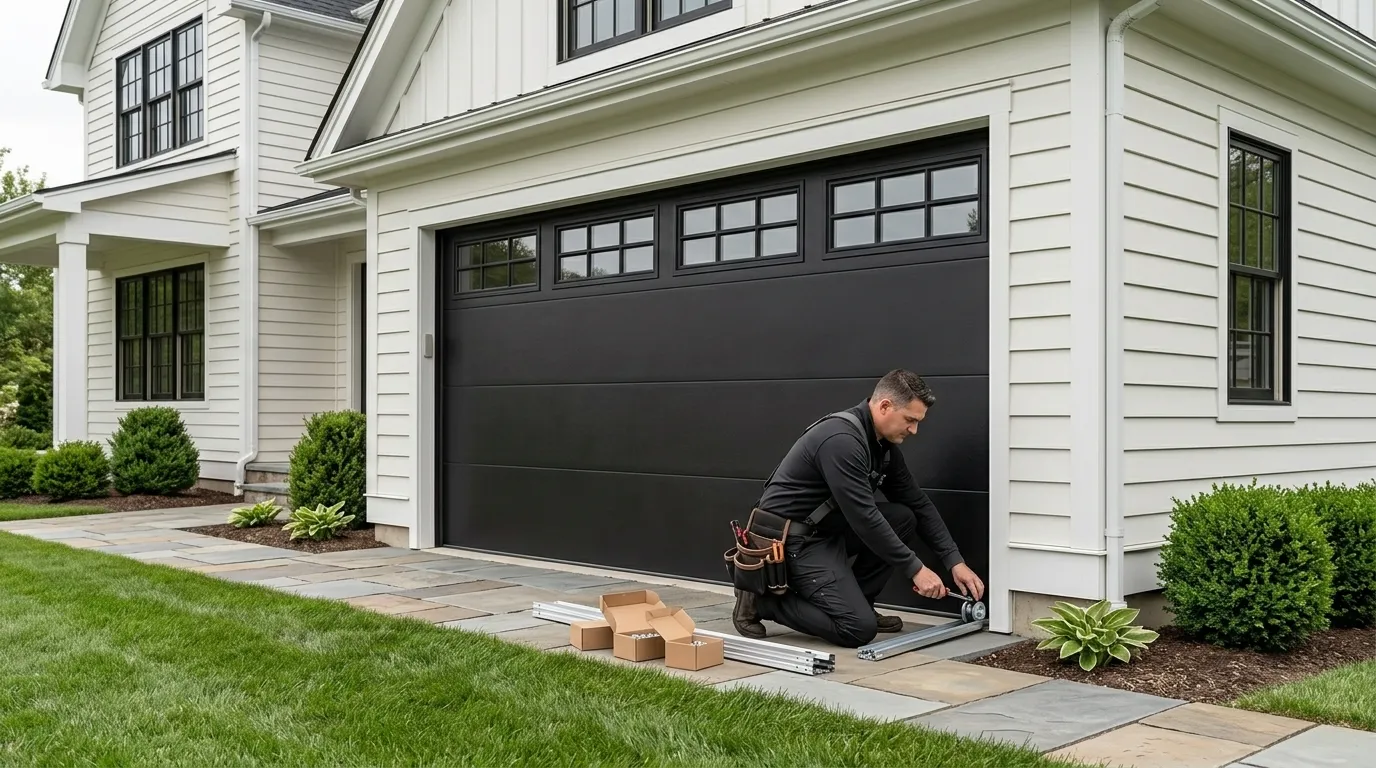
Garage Door Installation
New sectional doors sized and installed for the housing stock actually built in this area.
Learn more →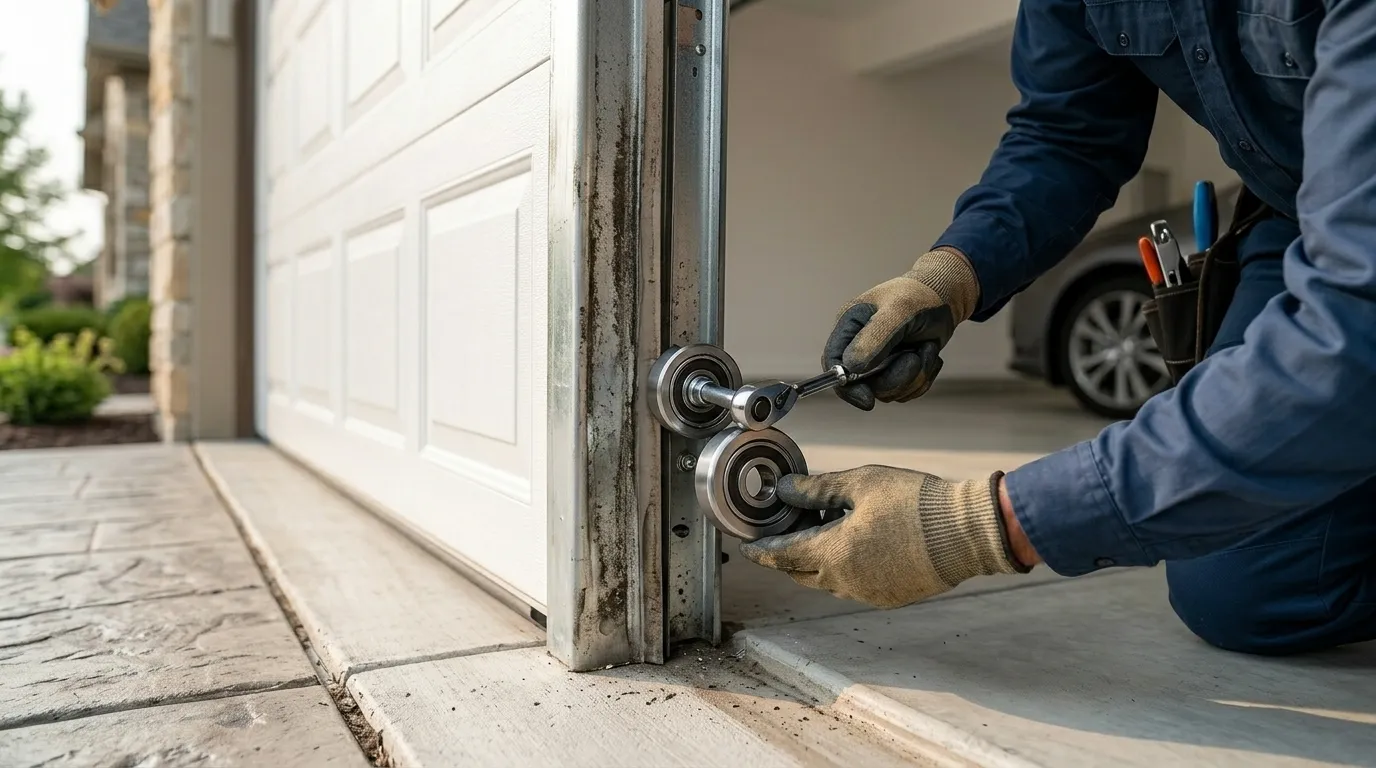
Garage Door Service
Tune-ups, lubrication, and safety checks that catch a small problem before it becomes a service call.
Learn more →Frequently Asked Questions
How do I know if my garage door is original to the house?
If your Glenview house was built between 1938 and 1996 - which covers most of the area - and you've never had a door replacement done, check the springs. Side-mounted torsion springs and painted steel panels without foam backing usually mean original hardware from that build era rather than a later swap.
Is it worth replacing an old door instead of repairing it?
It depends on what's failing. A sound panel with tired springs or rollers is almost always worth fixing. If the panels are warped, the track is bent, and the opener is also going, you're often paying for three repairs that add up close to the cost of a new door - that's the point to talk replacement instead.
Why did my spring break on a cold morning?
Steel springs lose some tension as they contract in cold weather, and Glenview's cold-moderate climate band puts hardware through that cycle every winter. A spring that's been weakening for years often finally gives out on the first hard freeze because the added tension needed is just enough to push it over the edge.
Have a Door That Needs a Second Opinion?
Call and describe what it is doing - we will tell you what it likely is.