
Glenview Garage Door Guide
Why Garage Door Springs Fail on Cold Mornings in Glenview
Glenview homes built between 1938 and 1996 carry torsion springs that age hard in cold winters. Here's what the weather does, what to check, and when to call.
- Licensed & Insured
- Same-Area Service Calls
- Upfront Pricing
Checking It Yourself
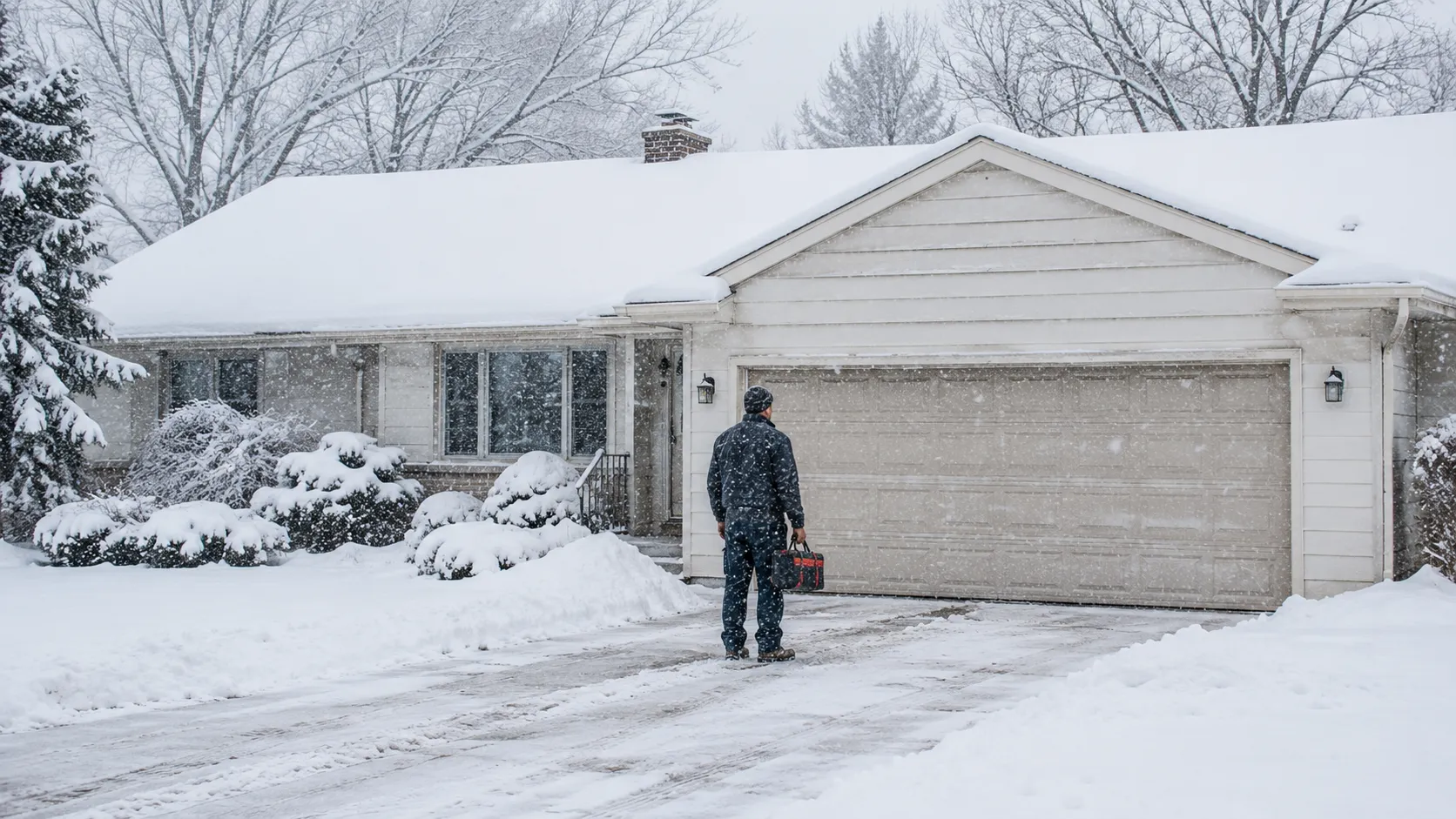
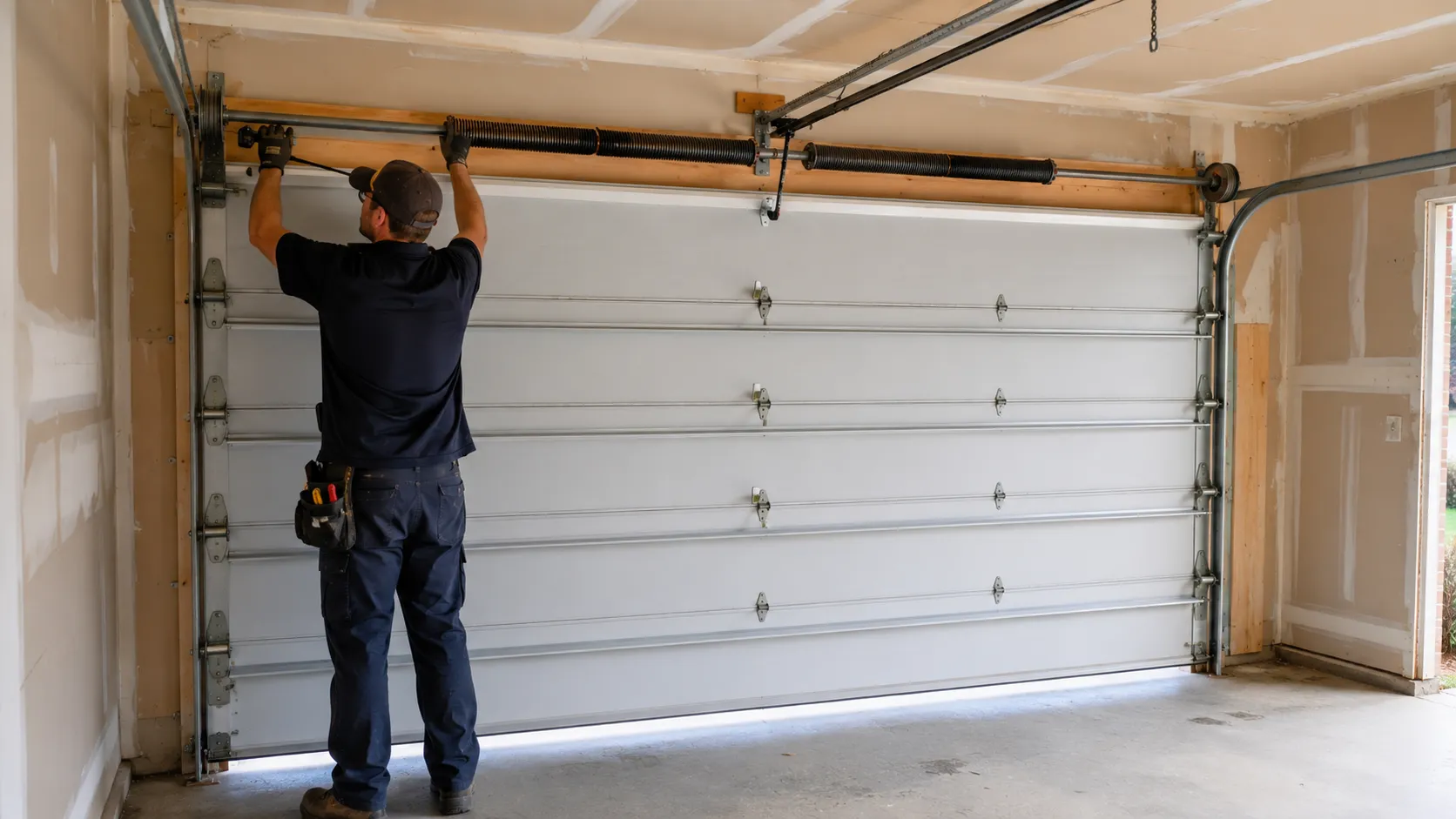
If your door won't budge, or the opener strains and reverses, look at the spring above the door before you touch anything else. A torsion spring that's broken usually shows a visible gap in the coil, and you may have heard a bang from the garage earlier in the day - that's the spring letting go under tension. Don't try to open the door manually past that point; without the spring holding the weight, the door can drop fast and the cable can whip.
Check the bottom brackets and cables for fraying too, since a spring failure often stresses the cable next to it. If the door lifts unevenly, one side higher than the other, that's usually one spring gone on a two-spring setup, common on the wider doors you see on houses built through the 1960s and 70s in this area. Write down what you see and when it happened - that helps whoever you call skip a wasted trip.
What you shouldn't do is loosen the winding cones or try to rewind a spring yourself. These are under enough force to break bones, and there's no shortcut around that fact regardless of how simple the fix looks from the driveway.
What the Weather Here Does to It
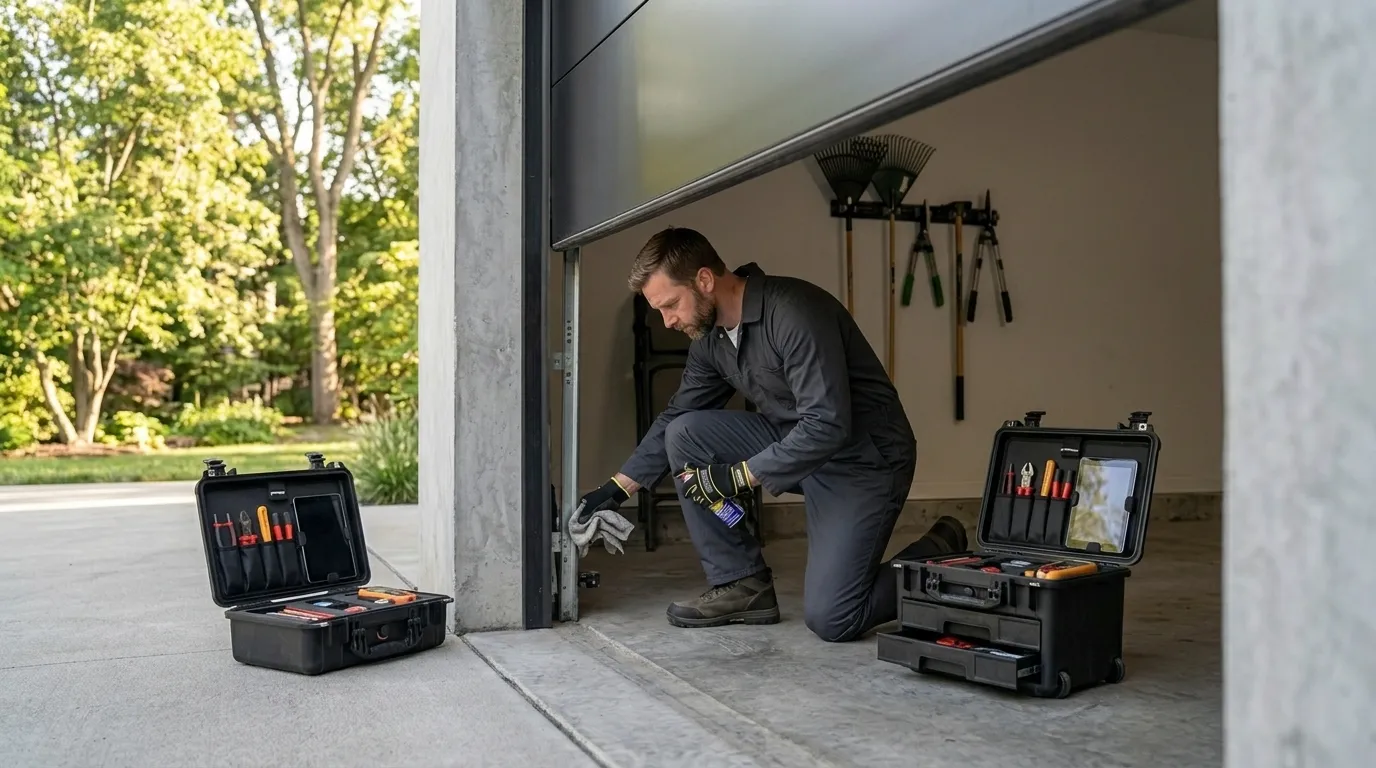
Glenview sits in a cold, moderate climate band, and that swing from summer heat to winter cold is hard on steel. Torsion springs contract as temperatures drop, and a spring that's already fatigued from age loses tension unevenly across the coil - it's why a lot of breaks happen on the first genuinely cold morning of the season rather than in the deep of January. The metal has been flexing all year, and the cold snap is just the moment it gives.
Overnight lows also stiffen the lubricant inside the coil, if there's any left, which adds friction right when the spring needs to move smoothly to counterbalance the door. None of this is unique to any one house, but it matters more here because so much of the housing stock going back to 1938, with a median build year around 1968, still runs original or first-generation replacement hardware. Those springs have already been through fifty-plus winters of exactly this cycle.
A spring rated for a certain cycle count doesn't care what season it is, but cold weather is what usually reveals that the count has run out.
The Problem
The core issue in Glenview isn't the cold by itself - it's the age of what the cold is acting on. With a median construction year of 1968, a large share of garages here were built with door and spring hardware sized to standards from that era, and many have never been upgraded to current spring gauges or dual-spring safety setups. A single spring on an older two-car door works fine for years and then fails all at once, usually without warning beyond a little extra opener noise beforehand.
Side-mounted torsion hardware from that period can also be a size that isn't stocked on every truck, since manufacturers have shifted standard shaft and coil dimensions more than once since the 1960s and 70s. That's not a defect in the house - it's just what happens when hardware outlives a couple of design generations. The practical result is that a repair on an older Glenview garage sometimes takes a bit longer to source the right part than it would on a door installed in the last ten years, and that's worth knowing before you're standing in a cold garage waiting on it.
When to Call Someone
Call when the spring has visibly separated, when the door won't lift with the opener disconnected, or when one side of the door hangs lower than the other. Those are spring problems, not opener problems, and pushing the opener to force it through will burn out the motor on top of the spring failure.
It's also worth calling before a full break if you're hearing a grinding or popping sound from the spring area on cold mornings - that's often the coil catching as it contracts, and it tends to get worse, not better, on its own. One honest limit here: if your torsion hardware is the older size common in homes from the 1960s and 70s stock in this area, matching it can take longer than a same-day fix, and replacing both springs as a pair, rather than just the broken one, is usually the more sensible call since the second one has seen the same fifty-some winters as the first.
How We Can Help
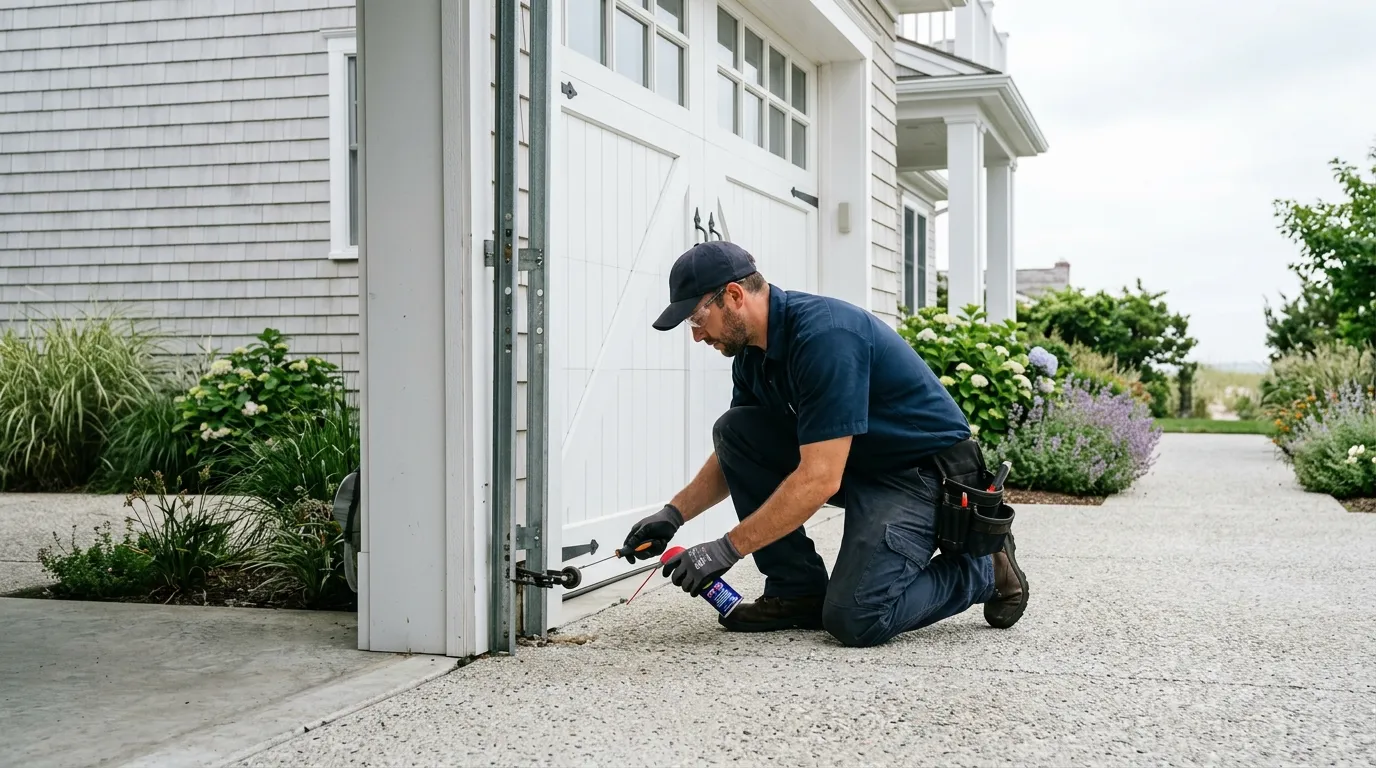
Garage Door Repair
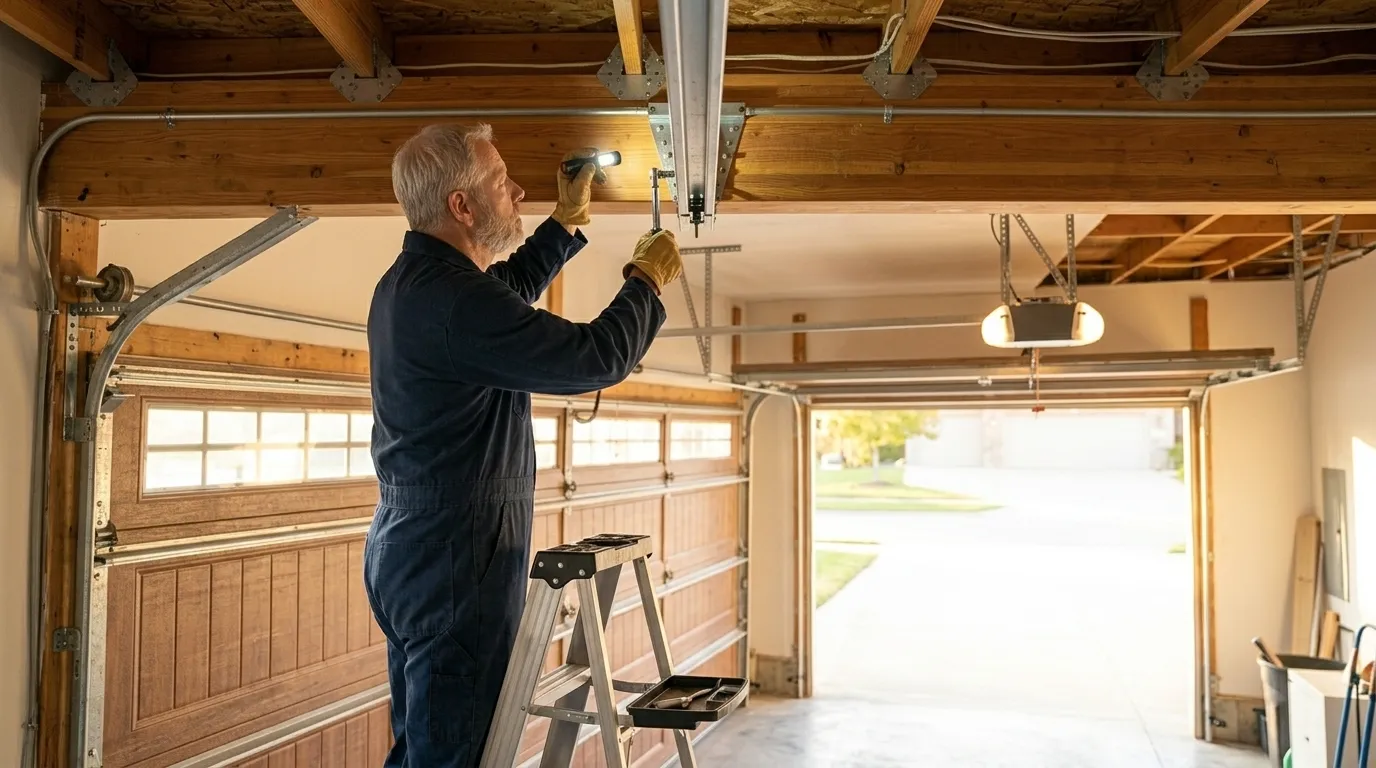
Springs, cables, tracks, rollers, and openers fixed by a tech who explains the problem before touching anything.
Learn more →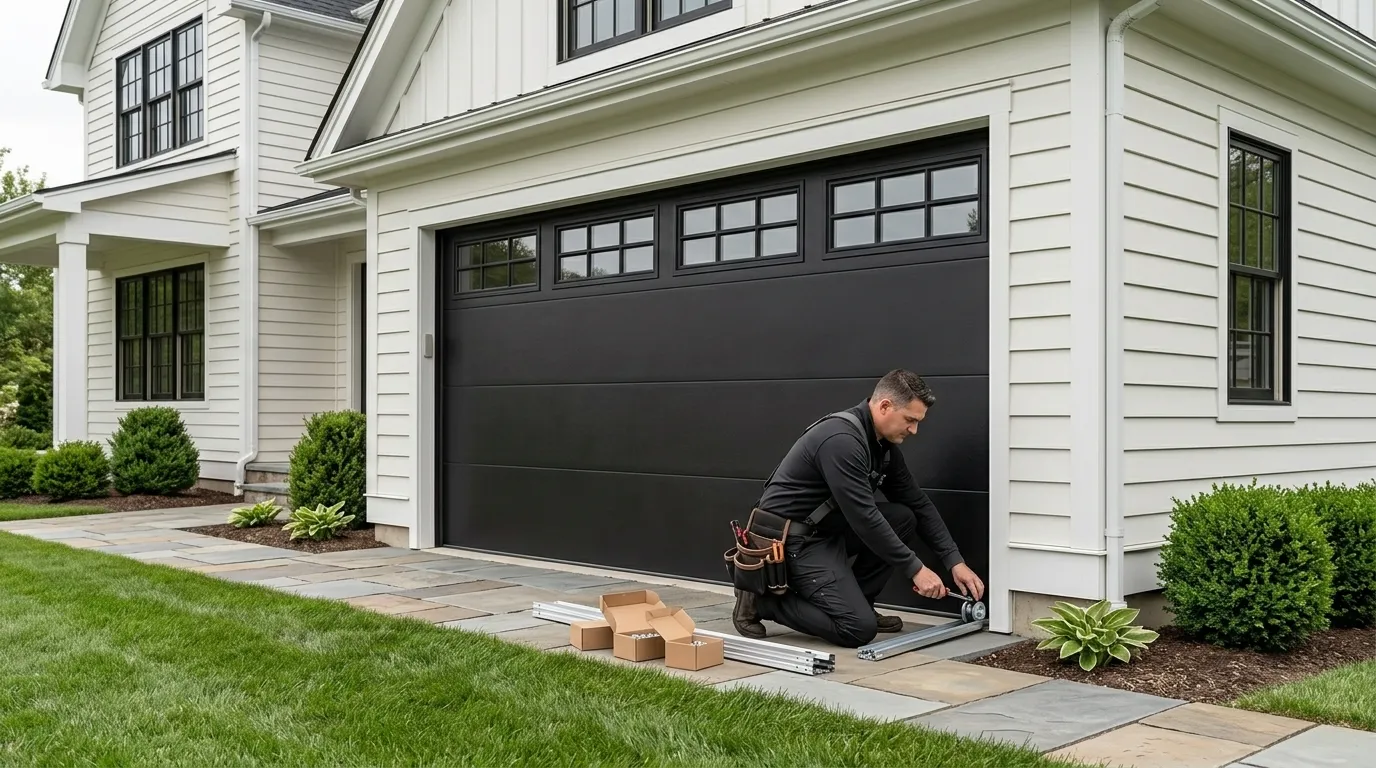
Garage Door Installation
New sectional doors sized and installed for the housing stock actually built in this area.
Learn more →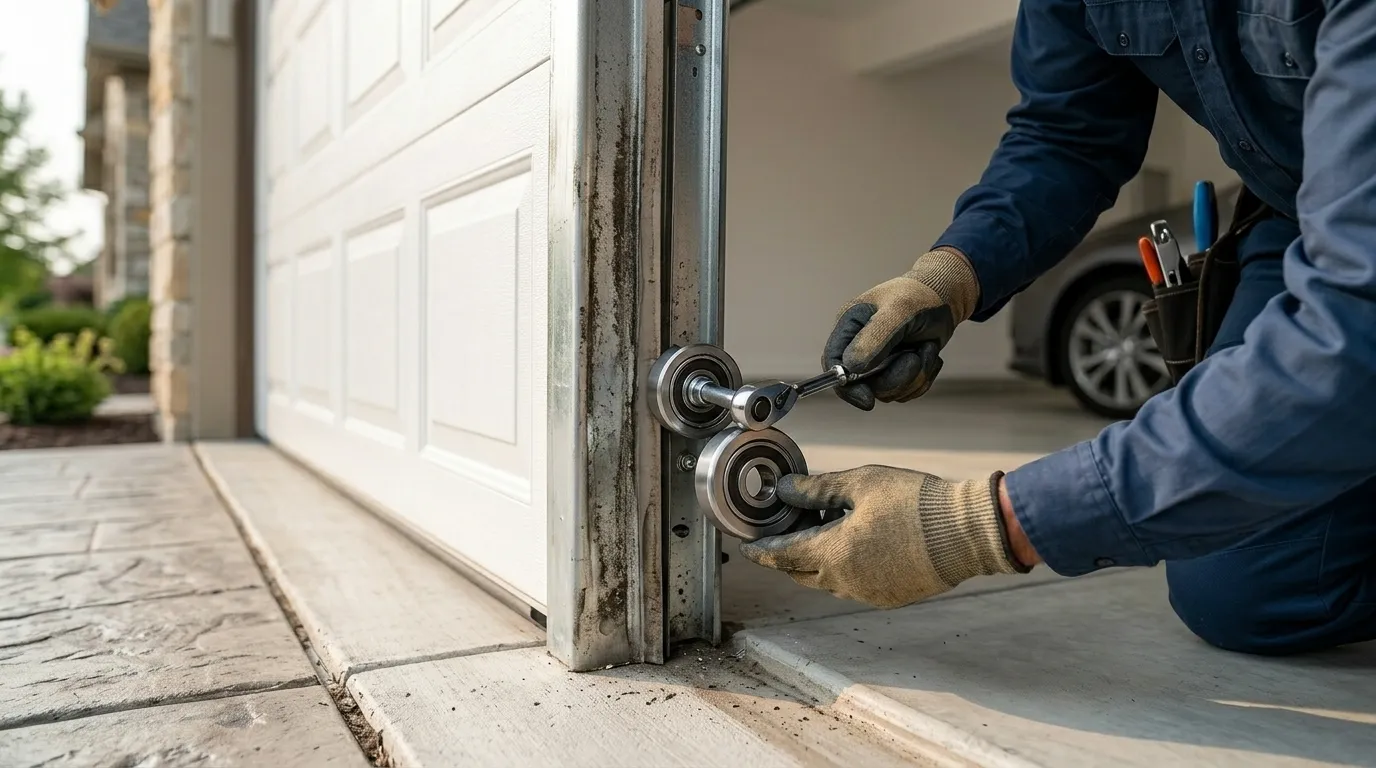
Garage Door Service
Tune-ups, lubrication, and safety checks that catch a small problem before it becomes a service call.
Learn more →Frequently Asked Questions
Why did my spring break on such a cold day and not during a storm or heavy use?
Cold itself doesn't cause the break - fatigue does. Steel torsion springs contract as temperatures drop, and a spring that's already worn from years of cycling loses tension unevenly. The first hard cold snap of the season is often when that last bit of tension finally gives out, especially in houses built decades ago with original hardware.
Is it safe to open my garage door manually if the spring just broke?
Not without disconnecting the opener carefully and understanding that the door has no counterbalance left. Without the spring, the full weight of the door rests on the cables and track. Leave it closed if you can, and don't force the opener - it will strain the motor trying to lift dead weight.
Do I need to replace one spring or both?
On a two-spring door, most jobs replace both, even if only one broke. They're installed at the same time and see the same years of cold-weather cycling, so the second one is usually close behind. Replacing just one saves a little now but often means a second call within a year or two.
My house was built in the 1960s - does that make the repair different?
It can. A lot of Glenview's housing dates to that era, and some of that original torsion hardware runs shaft and coil sizes that differ from what's standard today. It's not a bigger job, but sourcing the right spring size sometimes takes longer than on a newer door.
Have a Door That Needs a Second Opinion?
Call and describe what it is doing - we will tell you what it likely is.