
Glenview Garage Door Guide
Why Glenview Garage Doors Let in Cold Air - and What Actually Fixes It
Glenview homes built between 1938 and 1996 face cold winters that wear out garage door seals. Here's how to spot draughts and when repair beats replacement.
- Licensed & Insured
- Same-Area Service Calls
- Upfront Pricing
Checking It Yourself
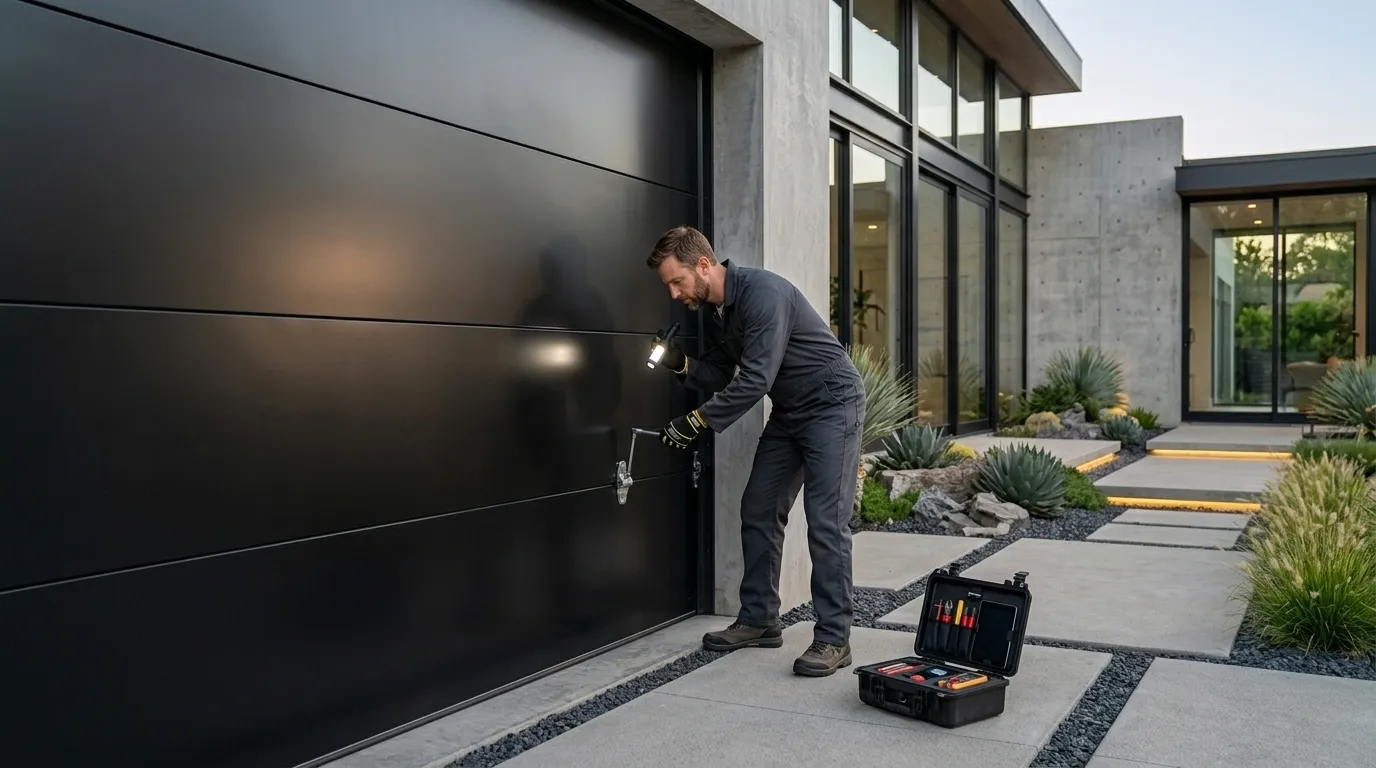
Start at the bottom seal. On a door installed anywhere near the neighborhood's median build year of 1968, that seal has been compressed and stretched through five decades of Illinois winters, and rubber that old cracks instead of flexing. Run a hand along the bottom edge on a cold morning - if you feel air moving, the seal has lost its shape, not just its grip.
Next check the side and top jambs. A lot of Glenview's housing stock went up in the 1960s and 70s, and those garages were framed with wood jambs that have shifted slightly over the years.
Even a quarter-inch of jamb movement leaves a gap the vinyl flap can't cover anymore. Look for daylight at the corners where the door meets the frame.
Last, check the panel seams themselves if you've got an older steel or wood sectional door. Panels from that era weren't foam-filled the way current doors are, so seams that have loosened let cold air straight through, not just around the edges. A lit candle or incense stick held near the seams on a windy day will show you exactly where the draught runs.
What the Weather Here Does to It
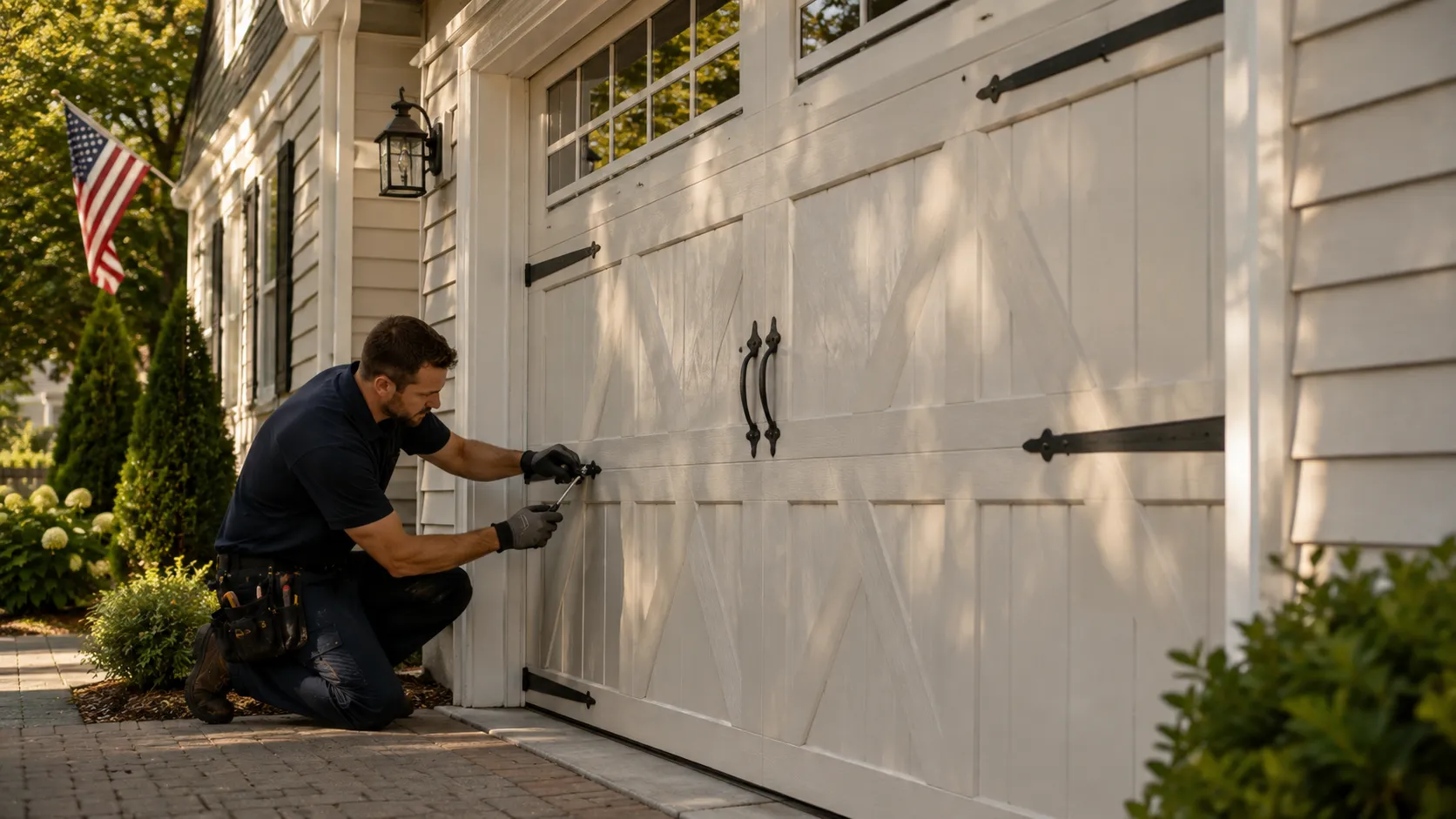
Glenview sits in a cold, moderate climate band, which sounds mild until you think about what repeated freeze-thaw cycling does to rubber and vinyl over a winter that runs several months long. The seal doesn't fail from one hard freeze. It fails from expanding and contracting hundreds of times across a season, year after year, until the material stops springing back and just sits there, cracked and flattened.
That cycling is harder on a door that's already older, because the rubber has less elasticity left to work with. A seal on a door built when the area's homes were going up - that 1938 to 1996 stretch that covers most of this housing stock - has already given up a lot of its flexibility before winter even starts. By the time you notice the draught, the seal has usually been losing its seal for a year or two already, not weeks.
Metal components move too. Aluminum track brackets and steel jamb fasteners contract in the cold, which can open small gaps at the top corners that weren't there in August. It's not damage, exactly - it's just what cold-climate metal does, and it compounds whatever the seal is already failing to cover.
The Problem
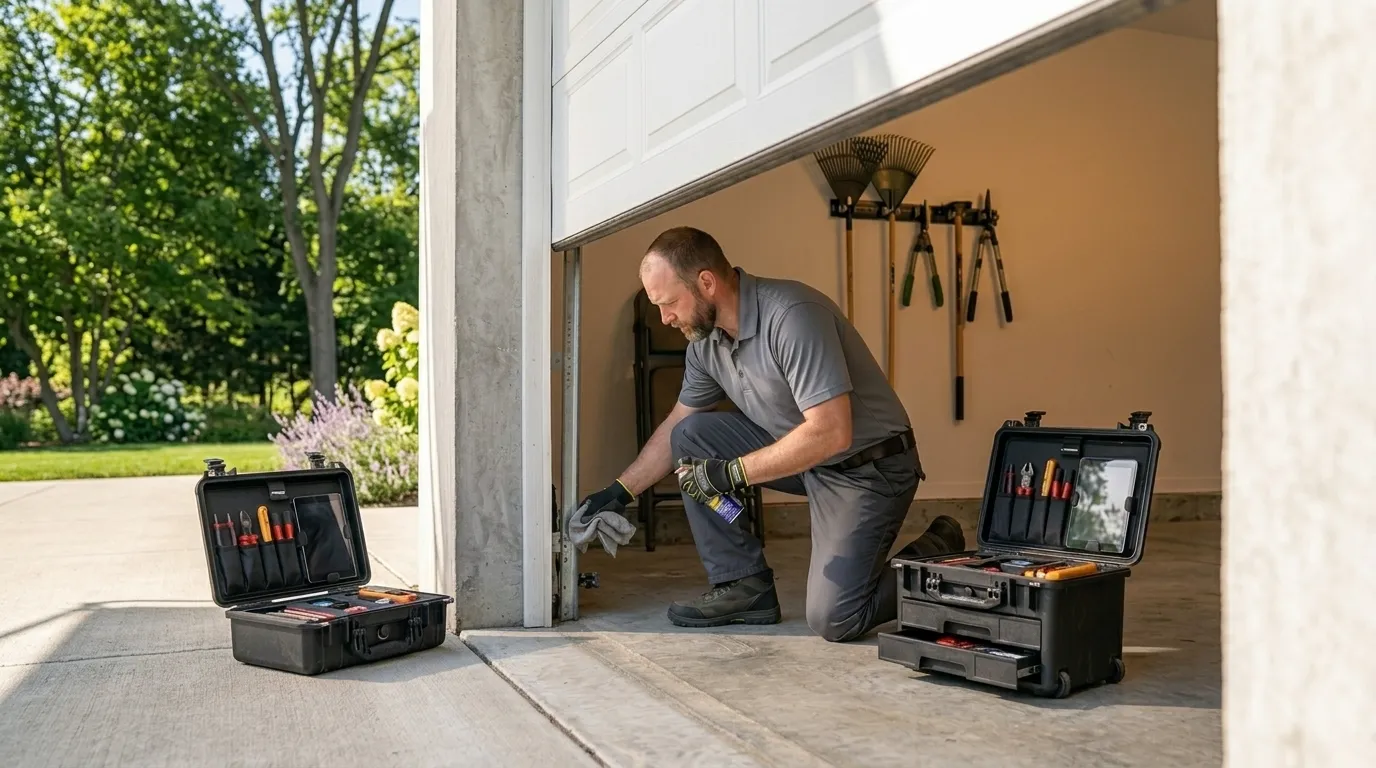
Most of the draught complaints we'd expect to see in this area trace back to the same root cause: a housing stock built between 1938 and 1996, with the bulk of it in the 1960s and 70s, carrying original or first-replacement weatherstripping that was never designed to last this long. The area covers 70-some named subdivisions built across that window, and the seal problem doesn't care which one you're in - it's a function of age, not location within the neighborhood.
The honest limitation here: weatherstripping and bottom seals are wear items, not defects. Replacing a $20 seal on a 50-year-old door won't fix a door that's also racked out of square or running on a bent track.
If the draught is only at the bottom edge and the door still opens and closes true, a seal swap solves it. If you're getting air at multiple points - bottom, sides, and top - that's usually the frame or the door itself settling, and a seal alone won't close those gaps.
Draughts also cost money quietly. In a service area where median household income runs above $100,000, most owners can absorb a slow energy leak without noticing the seal is the cause - until a winter heating bill makes it obvious.
When to Call Someone
Swapping a bottom seal or a length of jamb weatherstripping is a real DIY job - a few tools, an hour, and a trip for the right track size. Do that first if the draught is simple and localized.
Call someone when the fix isn't just the rubber. If the door doesn't sit flush in the frame anymore, if one corner has more gap than the others, or if the seal keeps failing again within a season after replacement, the problem is usually the track alignment or a jamb that's shifted with the house - common enough in a stock built mostly in the 1960s and 70s, where framing has had decades to settle. Forcing a new seal onto a door that's out of square just wears out the next seal faster.
We don't recommend replacing an entire door just to fix a draught. That's the honest answer even though it's not the more profitable one - a seal and a track adjustment usually solves it for a fraction of the cost of a new slab. Full replacement only makes sense once the door itself is failing, not just the weatherstripping around it.
More on what we do: /.
How We Can Help
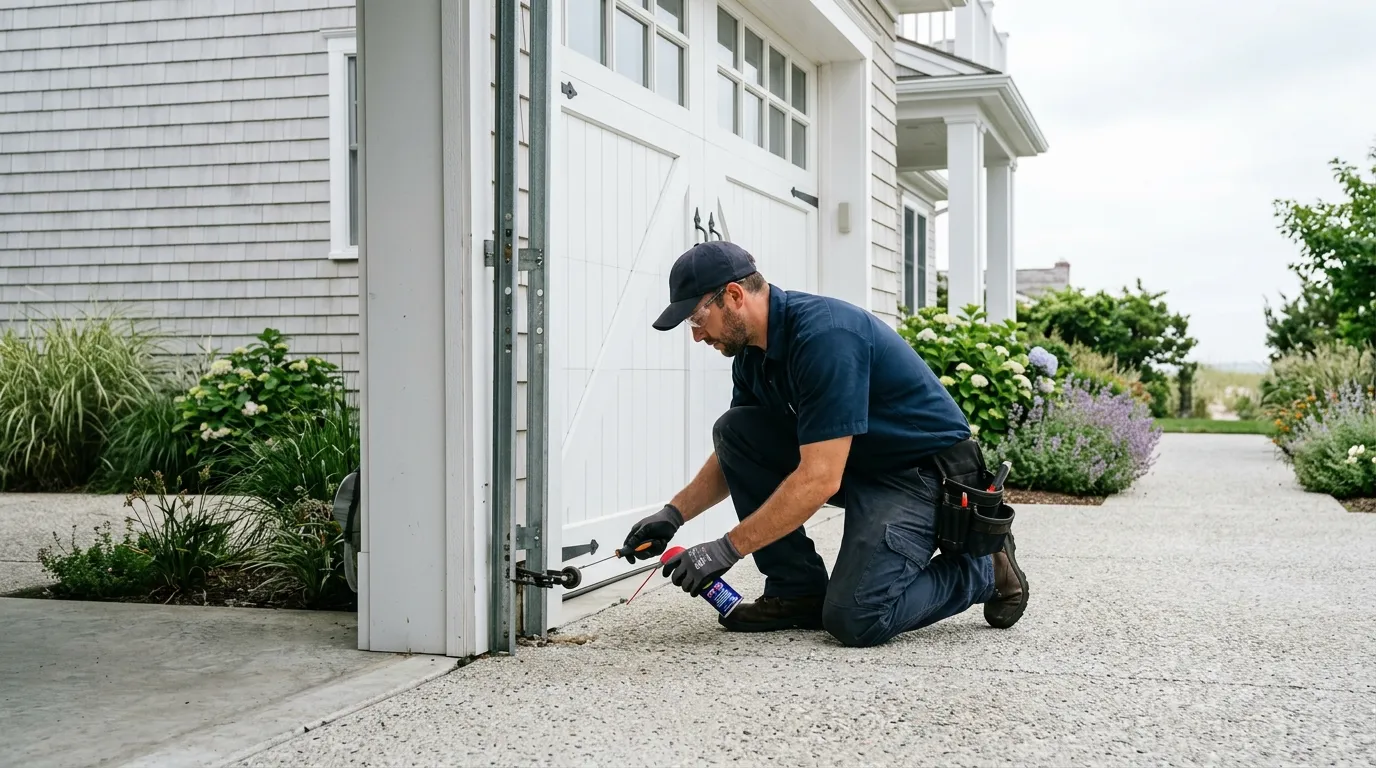
Garage Door Repair
Springs, cables, tracks, rollers, and openers fixed by a tech who explains the problem before touching anything.
Learn more →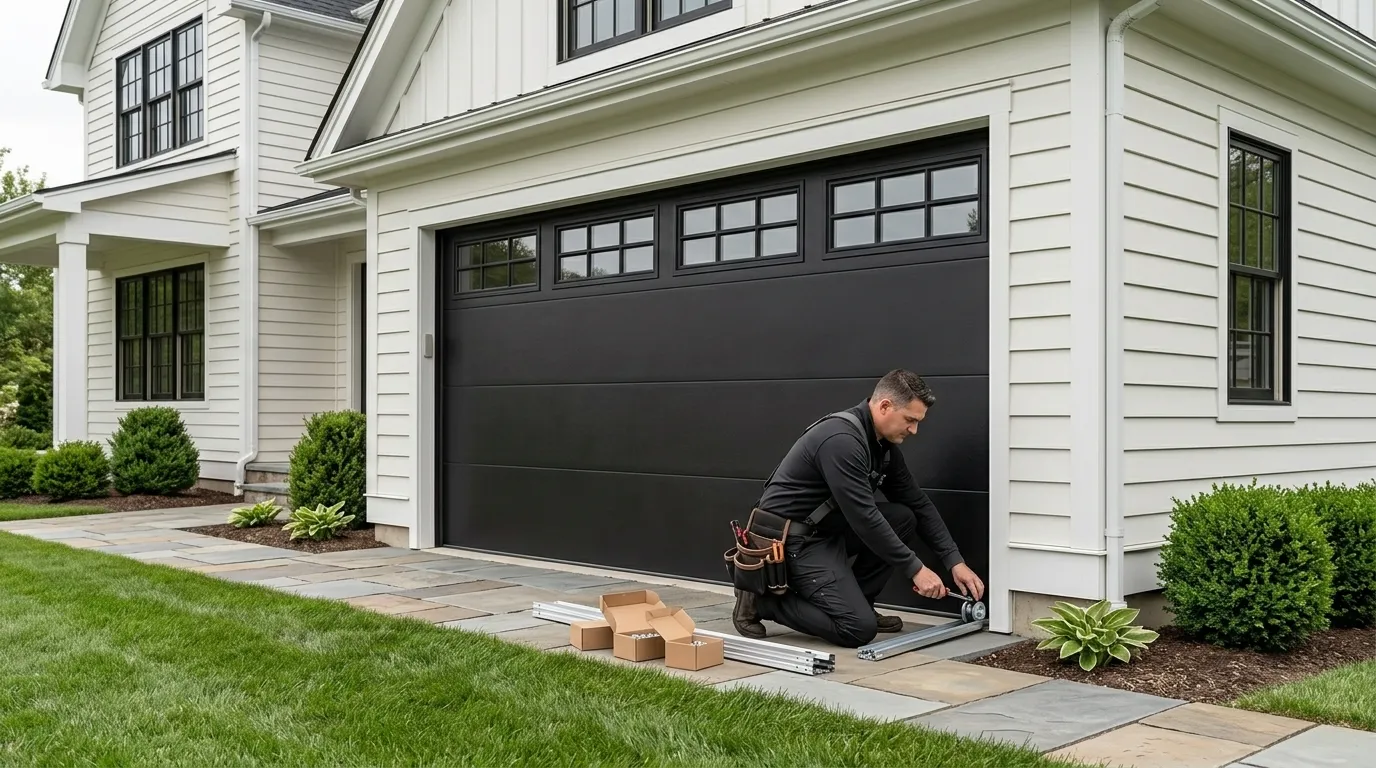
Garage Door Installation
New sectional doors sized and installed for the housing stock actually built in this area.
Learn more →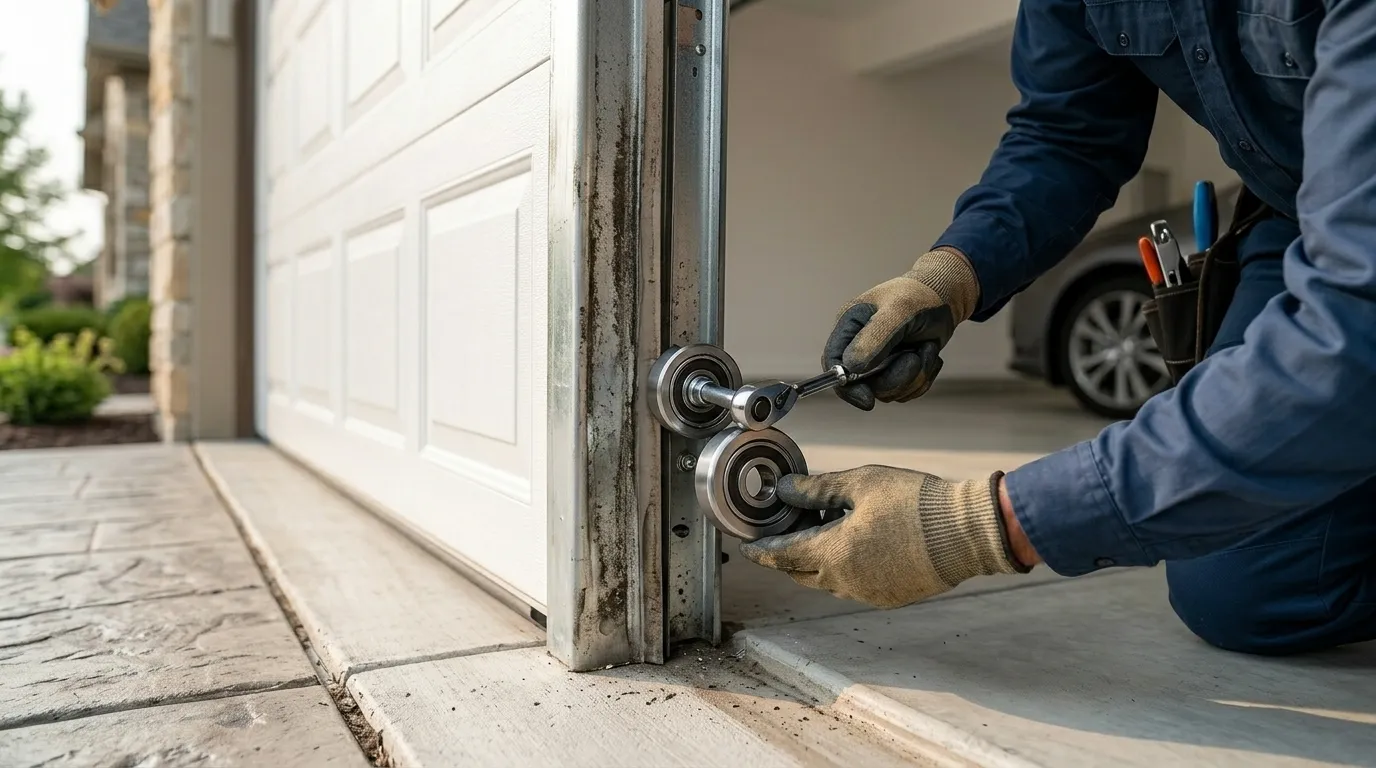
Garage Door Service
Tune-ups, lubrication, and safety checks that catch a small problem before it becomes a service call.
Learn more →Frequently Asked Questions
How often should I replace the bottom seal on my garage door?
There's no fixed schedule, but with this area's cold-moderate winters, a bottom seal on a door installed decades ago is usually due once it's cracked, flattened, or no longer springs back after you press it. Check it each fall before the cold sets in - that's the cheapest time to catch it.
My door is from the 1960s - is it worth resealing instead of replacing?
If the door still runs true on its track and the panels aren't damaged, resealing is almost always the better first move. Replacement only makes sense once the door itself is warped, rusted through, or the track and hardware are failing alongside the seal.
Why does the draught come back a few months after I replace the seal?
That usually means the seal isn't the actual problem - the door or jamb has shifted enough that no seal seats evenly against it. Common in older framing that's settled over the decades. Worth having someone check the track and jamb alignment before you replace the seal again.
Have a Door That Needs a Second Opinion?
Call and describe what it is doing - we will tell you what it likely is.