
Glenview Garage Door Guide
What We Check First on a Glenview Service Call
Glenview homes mostly date 1960s-70s with cold-climate wear on hardware. Here's what a technician checks first before recommending repair or replacement.
- Licensed & Insured
- Same-Area Service Calls
- Upfront Pricing
Checking It Yourself
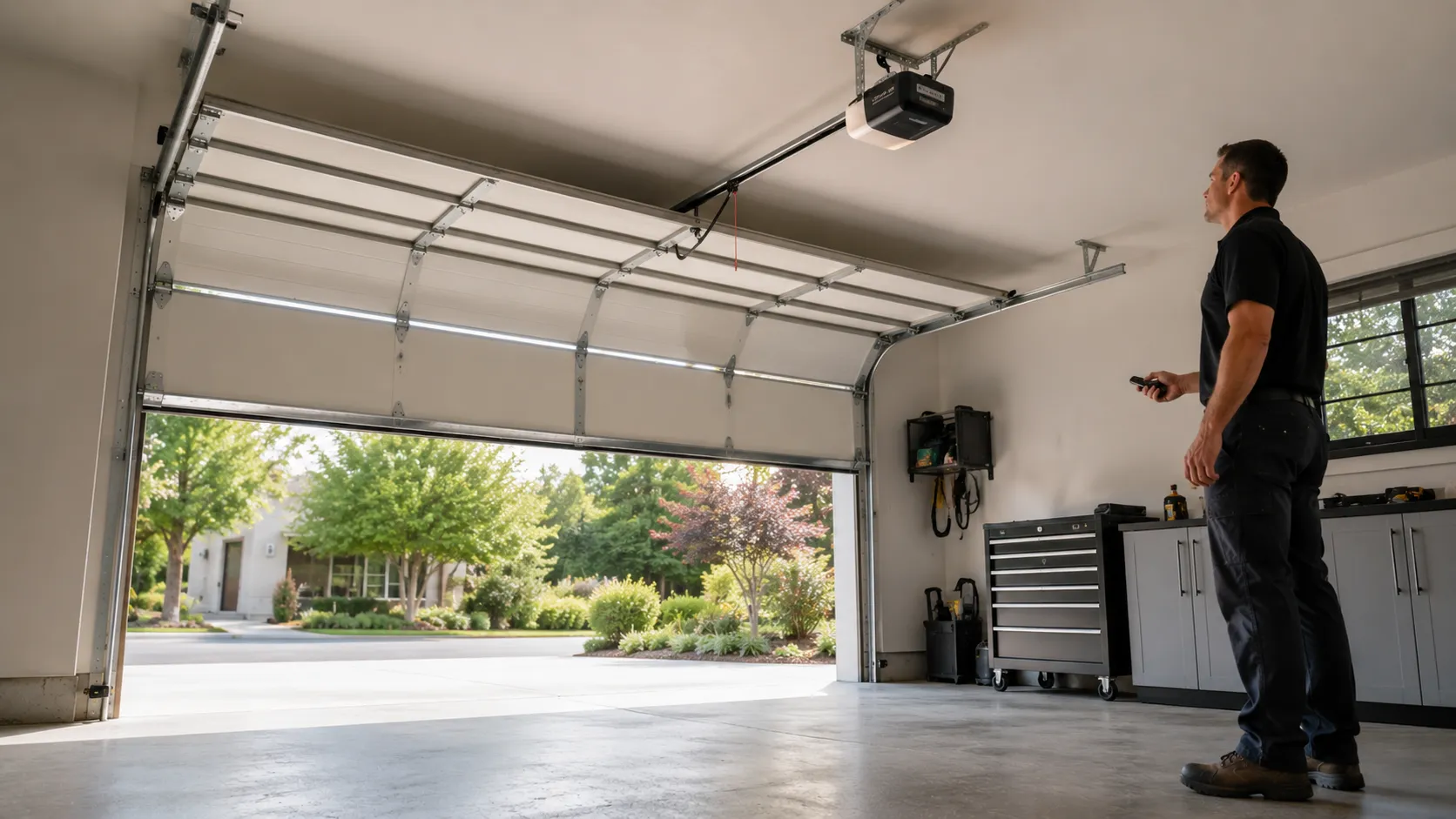
Before you call anyone, look at three things. First, the springs above the door - if one side sags lower than the other or you see a gap in the coil, that's a torsion spring on its way out, and it's not a DIY fix. Second, the rollers: in houses built in the 1960s and 70s, which describes most of Glenview's stock, the original steel rollers have often been swapped once already, and if yours are chipped nylon or rusted steel, that's your noise source.
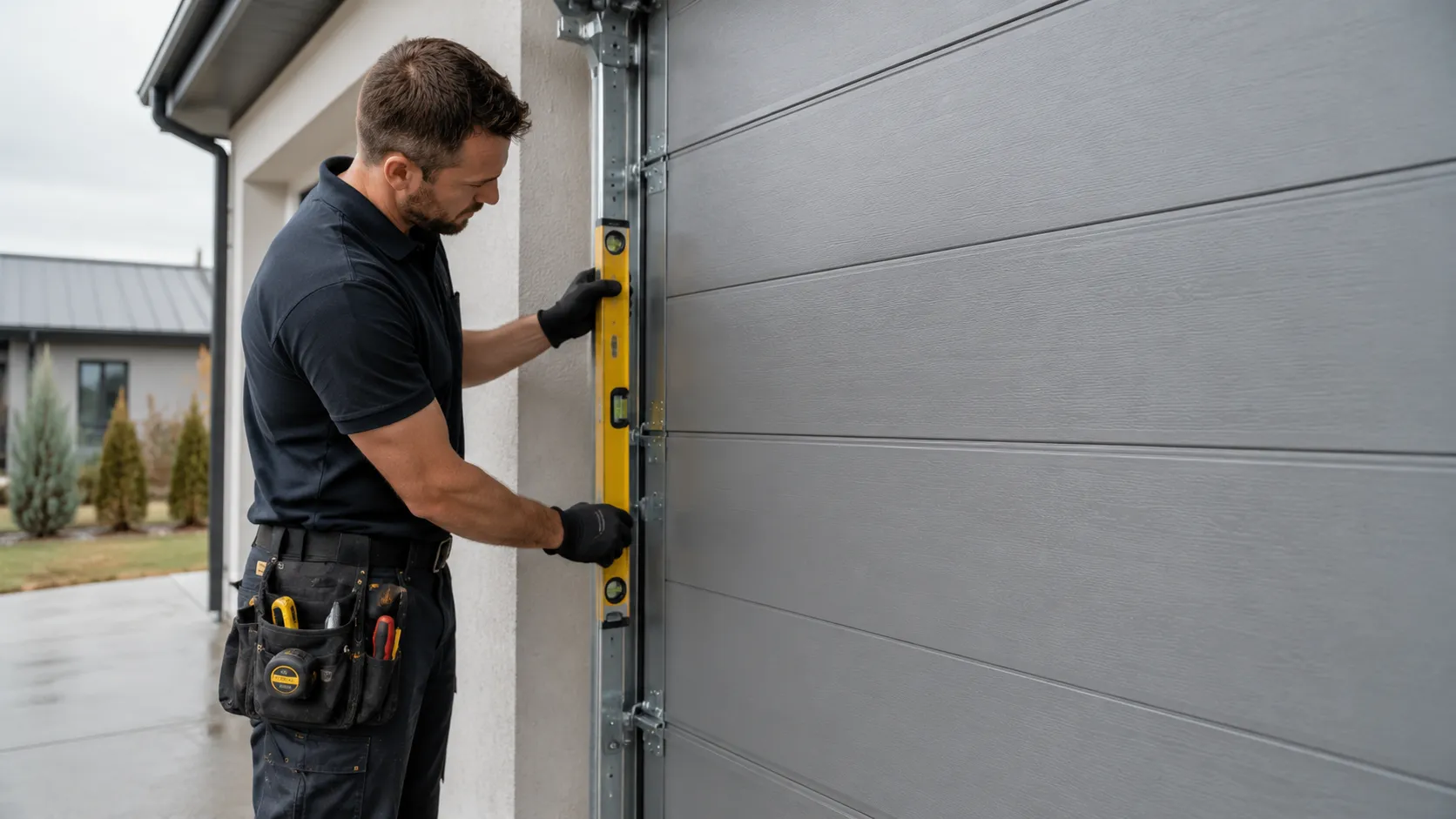
Third, the track alignment - stand back and sight down both tracks. A bent section usually shows as a door that binds partway up.
Don't force a door that's stuck. If the opener is straining or reversing, stop and disconnect it from the trolley so you're not burning out the motor on a mechanical problem it can't fix.
Check the weatherstripping at the bottom too - on a door from the 1968 median build year for this area, it's likely been replaced at least once, and cracked or flattened stripping lets in more than a draft. If none of that explains the symptom, it's time for someone to look at the torsion hardware itself.
What the Weather Here Does to It
Glenview sits in a cold, moderate climate band, and that shows up in specific parts, not just "winter is hard on doors" in general. Torsion springs lose tension faster with repeated cold-to-warm cycling, which is exactly what a Chicago-area winter does - cold nights, a heated garage or attached house wall keeping one side warmer. That uneven expansion is why a spring that measured fine in October can snap in January.
Steel tracks and rollers pick up condensation when a warm car pulls into a cold garage, and that moisture sits on hardware that, given the housing stock here built mostly between 1938 and 1996, is often original or a first-generation replacement. Rust doesn't announce itself with a squeak right away - it shows up as slow response, a door that seats crooked, or a cable that frays where it rides the drum. None of that is unique to any one house; it's a function of decades of freeze-thaw cycling on hardware that was sized for a different era of steel.
The Problem
The core issue on a lot of these service calls isn't the door - it's the mismatch between original hardware and the age of the house. With a median build year around 1968 across this area, plenty of garages still carry the torsion setup that came with the house, sized to specs nobody stocks new anymore. When one part fails, whoever's replacing it often has to adapt a modern spring or cable to older brackets, which is more labor than a straight swap and worth knowing before you get a number over the phone.
We won't pretend every door in a 1960s or 70s build needs full replacement. Plenty of these openers and doors are mechanically sound and just need a spring, a cable, or a set of rollers. But a door that's had three or four individual repairs stacked on original 1960s-era track is a different conversation than a first-time fix, and a technician should tell you that plainly instead of running up a repair bill on a door that's better off replaced.
When to Call Someone
Call before you touch a torsion spring - that's the one repair where a mistake causes real injury, full stop. Also call if the door came down harder or faster than normal even once; that's usually a cable or spring failure in progress, not a fluke.
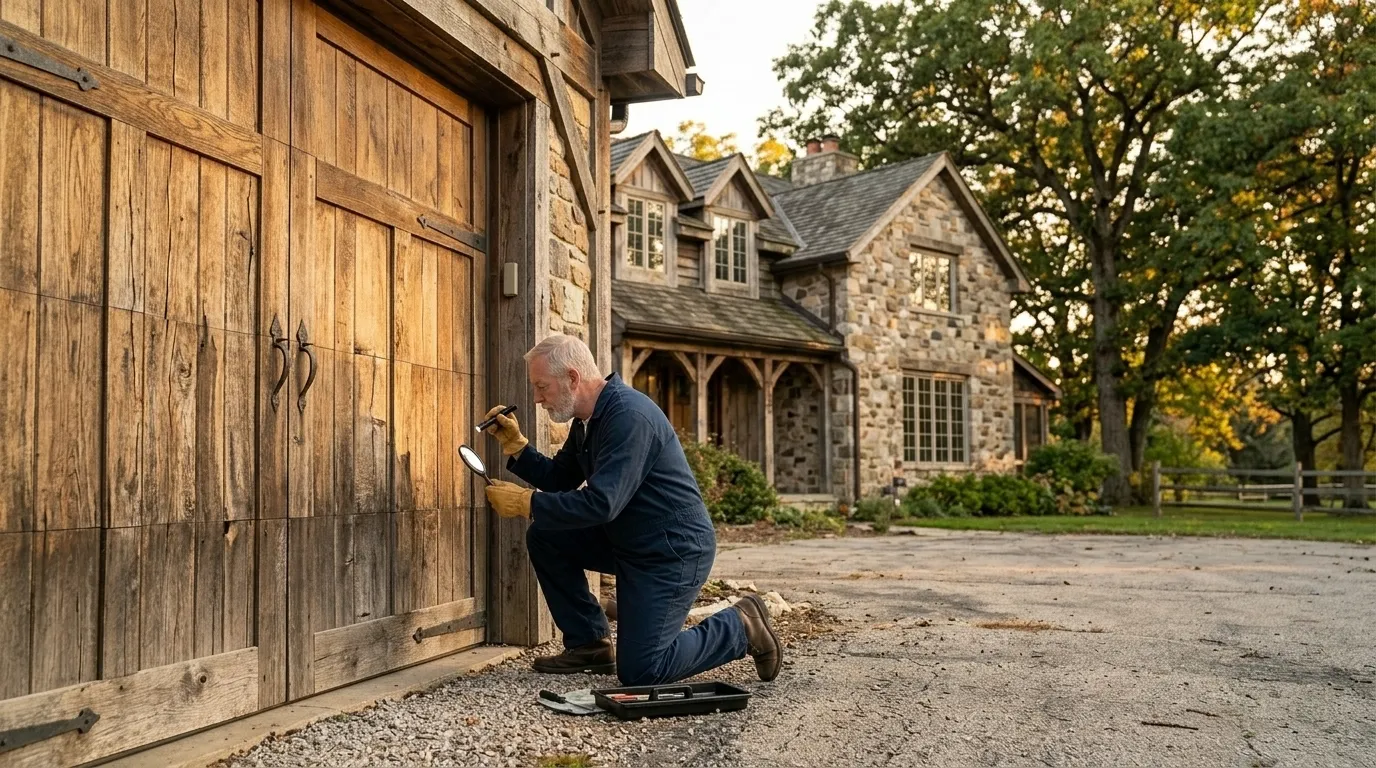
If your garage backs onto an unheated space or the door's original to a house from the 1938-1996 build range common here, and you're hearing new grinding or catching on the track, get it looked at before the cold snap does more damage - a small crack in a roller housing turns into a bent track fast once ice gets into it. One honest limit: we can't always get a matching part for older, non-standard torsion hardware same-day, so if your setup is original to the house, expect the technician to talk through options rather than promise an immediate swap.
How We Can Help
Garage Door Repair
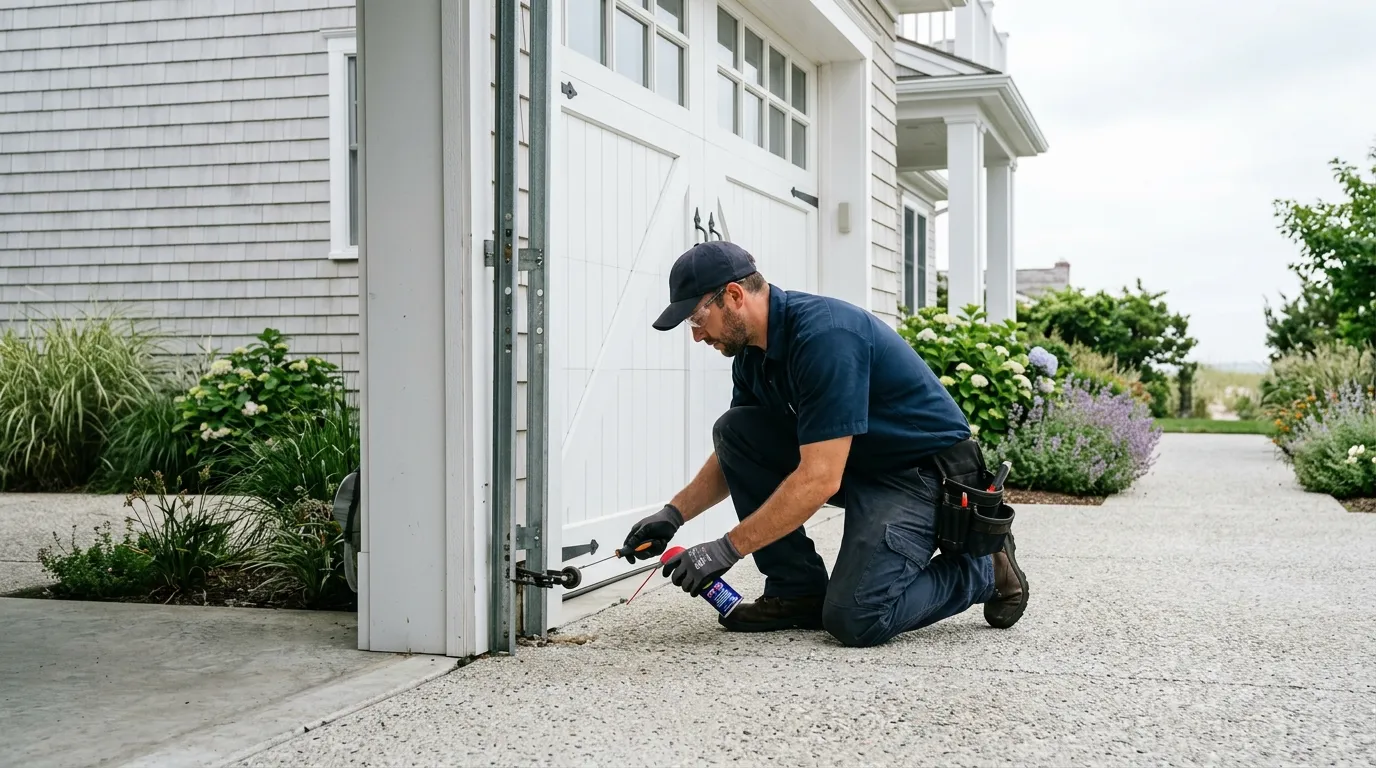
Springs, cables, tracks, rollers, and openers fixed by a tech who explains the problem before touching anything.
Learn more →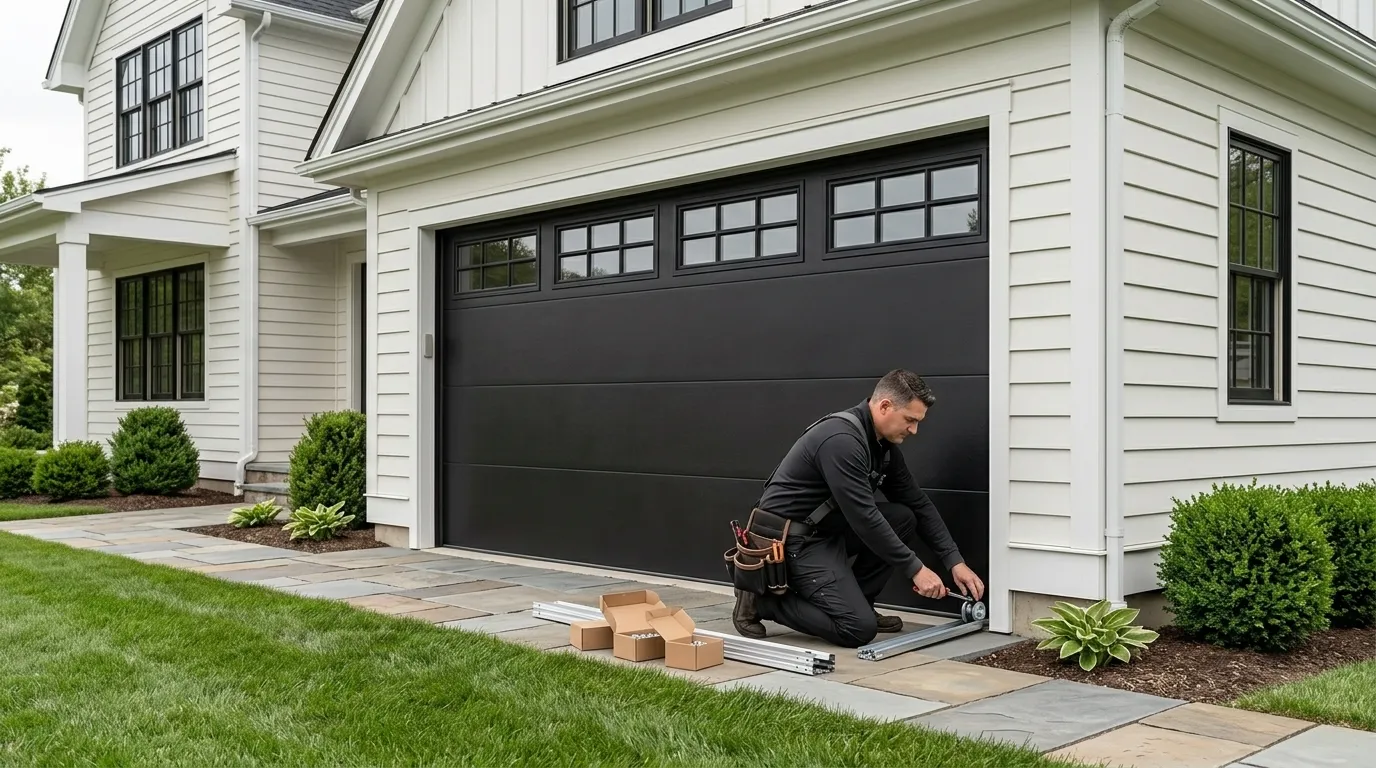
Garage Door Installation
New sectional doors sized and installed for the housing stock actually built in this area.
Learn more →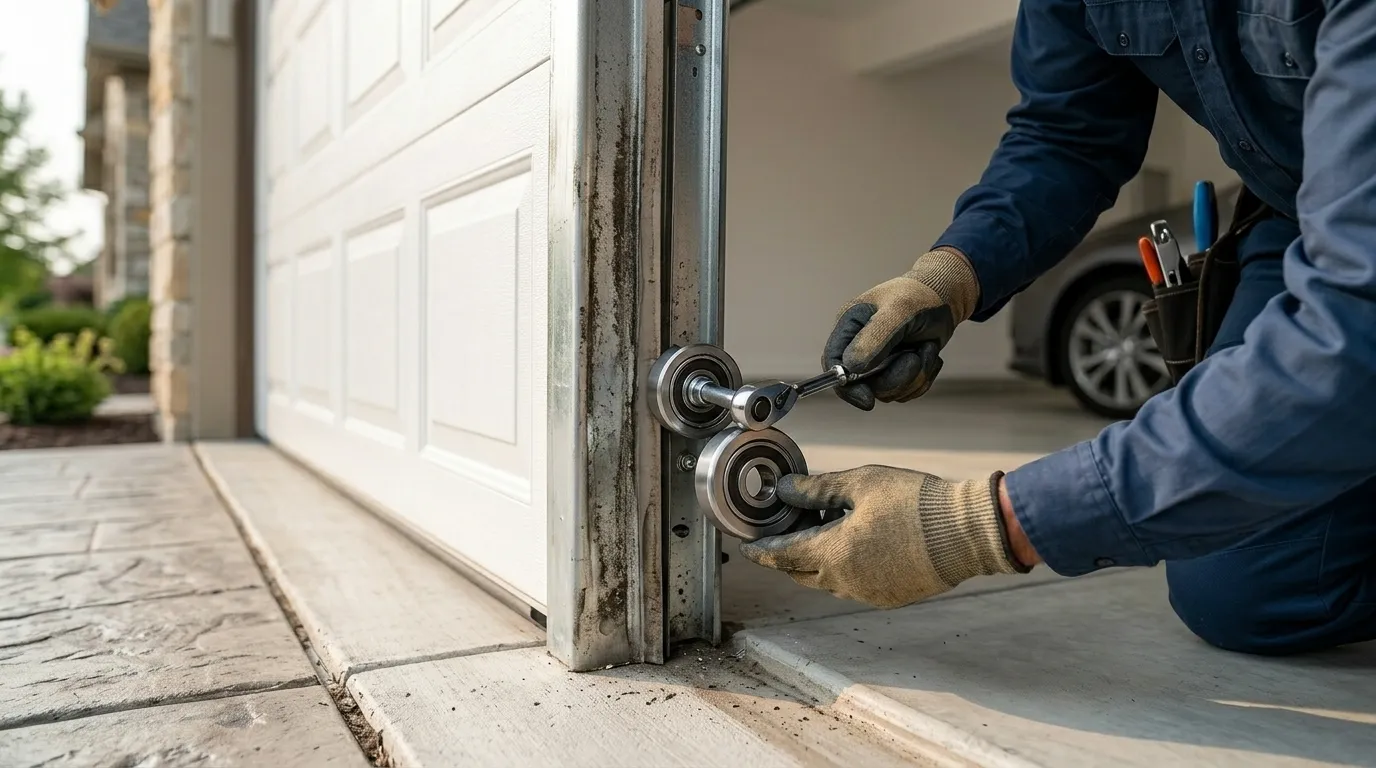
Garage Door Service
Tune-ups, lubrication, and safety checks that catch a small problem before it becomes a service call.
Learn more →Frequently Asked Questions
Why did my garage door spring snap in the middle of winter?
Torsion springs lose tension unevenly when they cycle between cold outside air and a warmer garage, which is common in this cold-moderate climate band. A spring that tested fine in fall can fail once temperatures swing hard, especially on original hardware from an older Glenview-area build.
Is my garage door old enough to need full replacement instead of repair?
Housing in this area was mostly built between 1938 and 1996, median around 1968, so a lot of doors still run on original or first-generation torsion hardware. If a technician finds that hardware doesn't match modern parts, or the door's had several separate repairs already, replacement is often the more honest recommendation.
Can I replace a roller or cable myself?
Rollers, yes, generally - with the door disconnected and secured. Cables and springs, no. They're under heavy tension and the failure mode is dangerous. If you're not sure which one you're looking at, that uncertainty itself is a reason to call rather than guess.
What areas do you cover from Glenview?
We work throughout Glenview and nearby communities including Northfield, Golf, Niles, and Winnetka, among other towns within roughly a 10-mile radius.
Have a Door That Needs a Second Opinion?
Call and describe what it is doing - we will tell you what it likely is.