
Glenview Garage Door Guide
Safety Sensors and Why They Drift in Glenview
Why garage door safety sensors drift out of alignment on Glenview homes built between 1938 and 1996, what the cold climate does to the brackets, and when it's a call, not a DIY fix.
- Licensed & Insured
- Same-Area Service Calls
- Upfront Pricing
Checking It Yourself
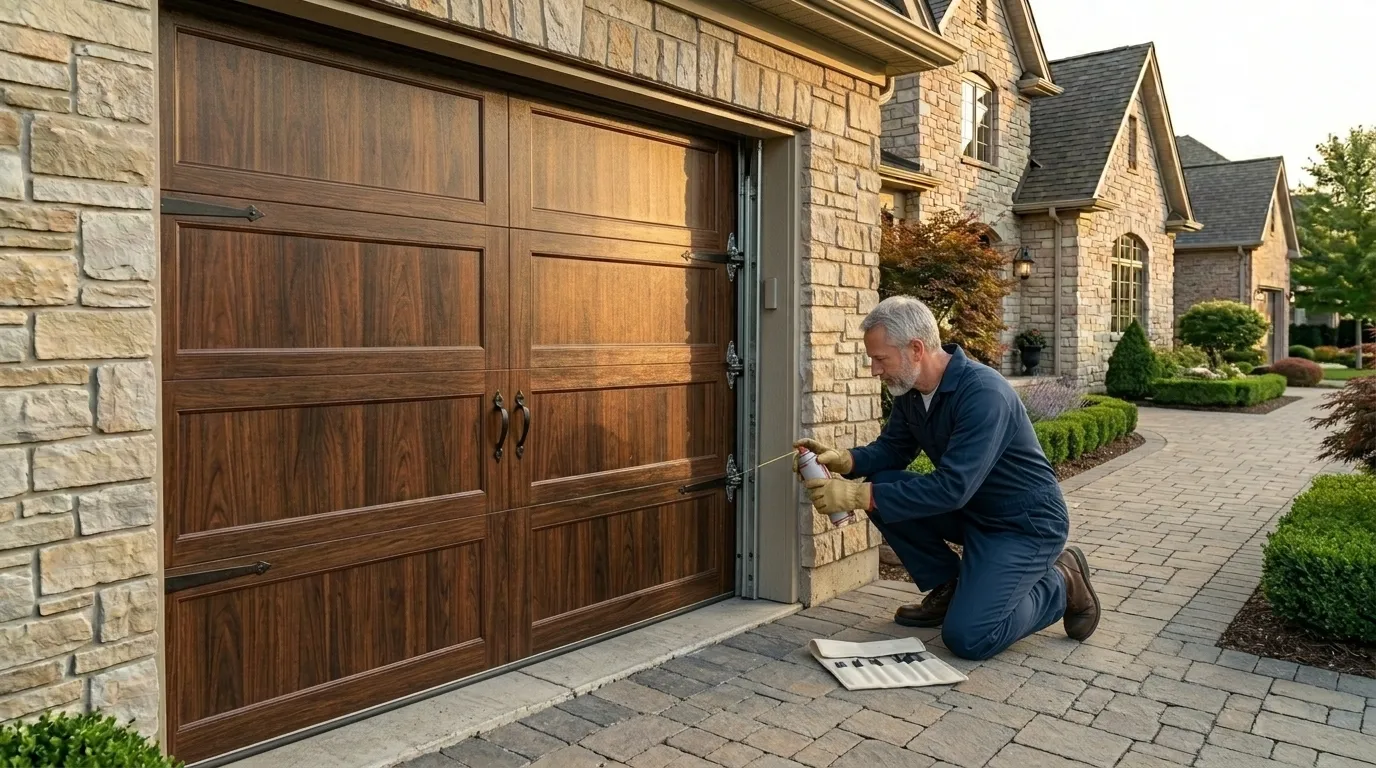
Most Glenview garages have two small sensors mounted a few inches off the slab on either side of the track, connected by a thin wire back to the opener head. Each one has a small LED - one steady, one that should also be steady when the beam is unbroken. If either light flickers or goes dark when you wave a hand through the beam, the alignment has drifted.
Start by looking at the brackets themselves, not the lenses. On a lot of the 1960s and '70s-built garages that make up most of Glenview's stock, the sensor brackets are still the original painted steel that came with the door, bolted into wood jambs that have shrunk and swelled with sixty-plus years of seasons. Loosen nothing yet - just check whether the bracket sits flush or has rotated even slightly on its screws.
Wipe the lenses with a dry cloth. Dust and cobwebs cause more false trips than actual misalignment, especially in an unheated garage that sits closed most of the week.
If the lights still disagree after cleaning, the bracket has moved, and that's a five-minute fix if you can reach it square-on. If the wire itself looks brittle or chewed, stop and call - that's not a tightening job.
What the Weather Here Does to It
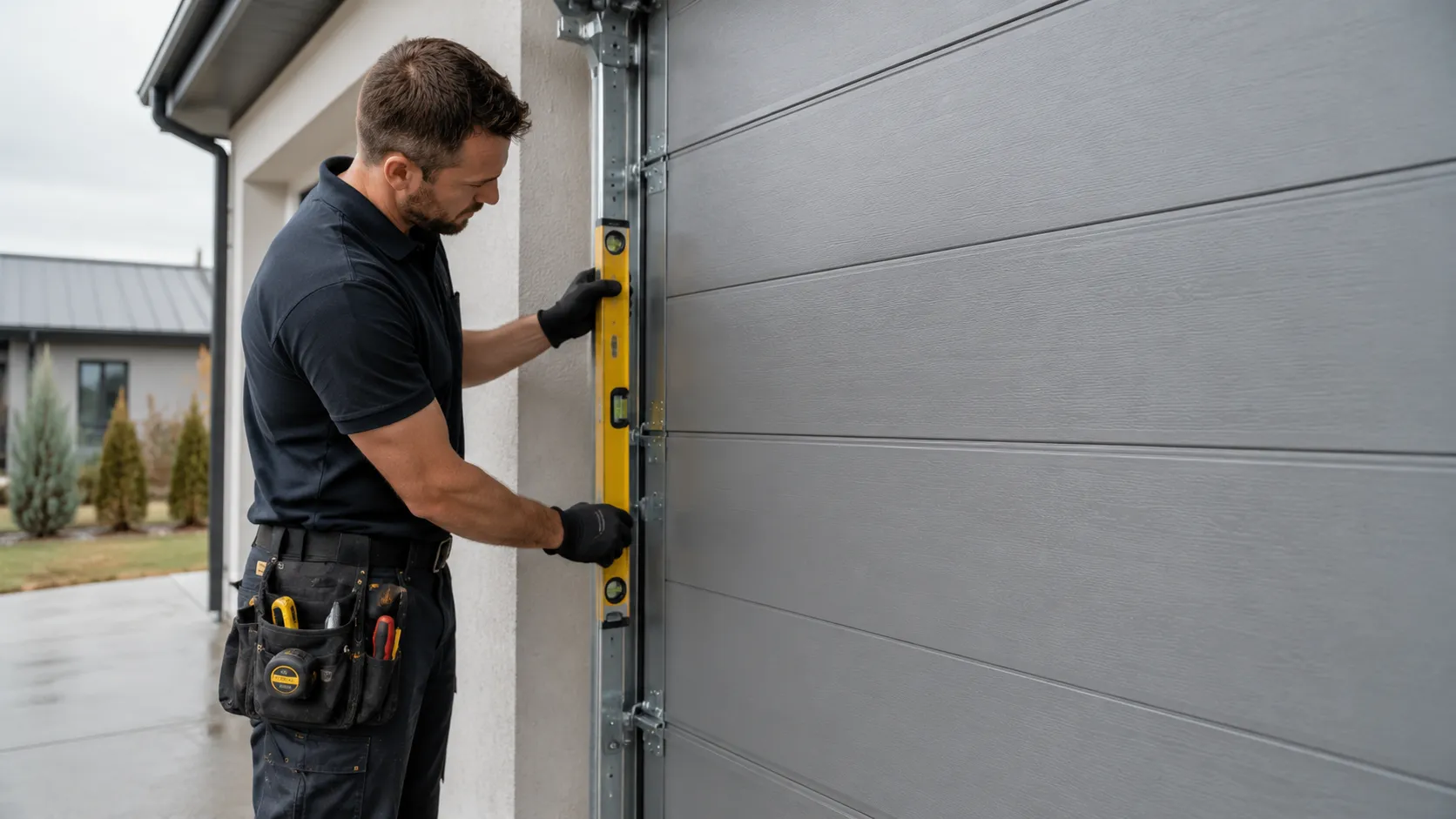
Glenview sits in a cold, moderate climate band, and an attached but unheated garage swings through a real freeze-thaw cycle every winter, not just a few cold snaps. That swing is exactly what pushes sensor brackets out of true. Wood jambs contract in January and relax again in April, and every cycle works the mounting screws a fraction looser.
The other effect is condensation. When a cold garage opens to warmer, humid air - a spring afternoon after a cold morning - moisture beads on the sensor lenses themselves.
That reads to the opener as an obstruction, and the door refuses to close even though nothing is actually in the way. Owners often assume the opener logic board has failed when it's really a fogged lens and a slightly rotated bracket working together.
This is a bigger issue for original brackets than for anything installed in the last decade or two, because older steel brackets don't have the shock-mounted rubber isolators that newer sensor kits use to absorb exactly this kind of seasonal movement. If your sensors are original to the house, expect to be re-squaring them at least once a year, usually right around the seasonal turn.
The Problem
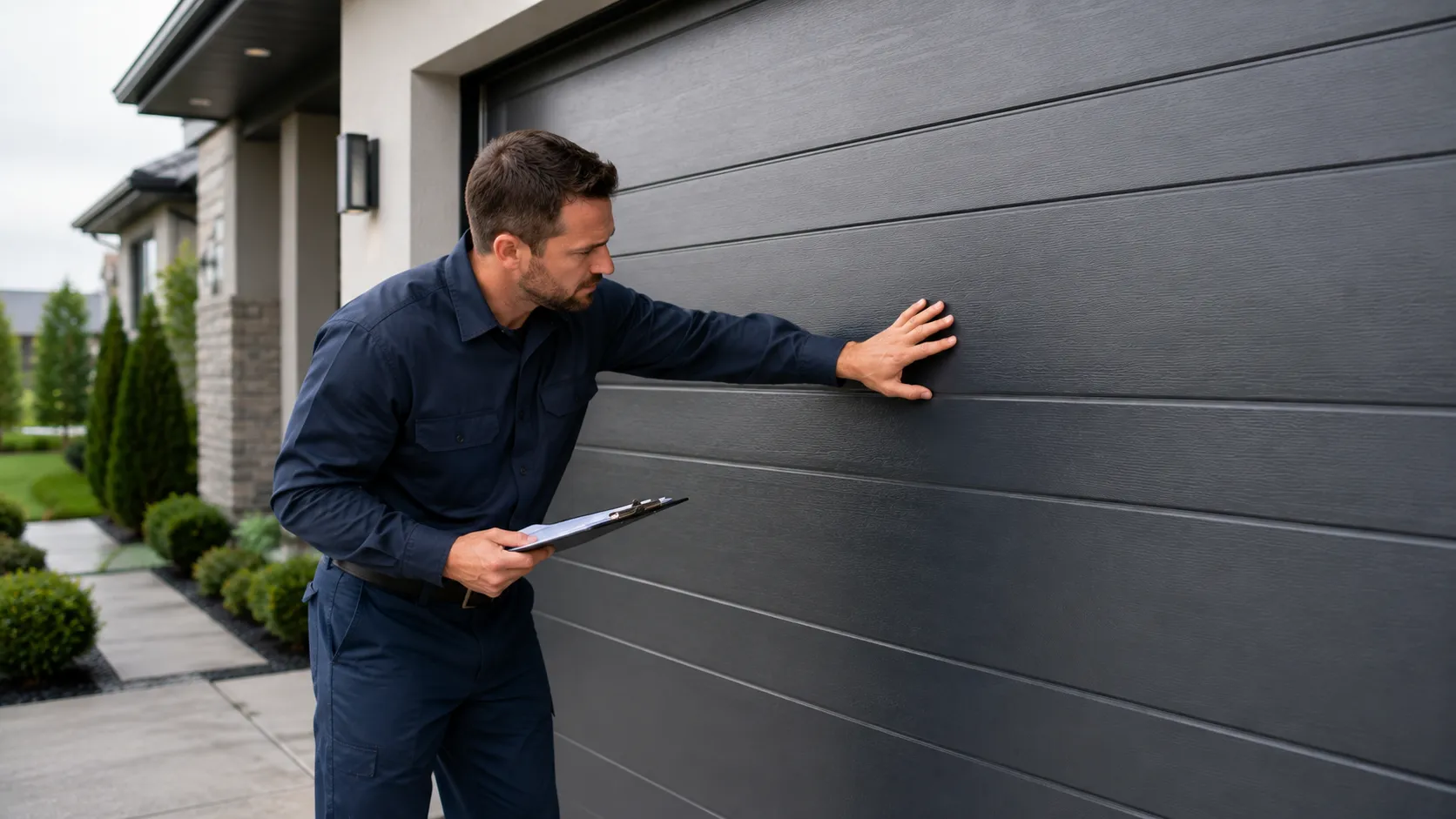
Drift compounds. A bracket that's a half-degree off in November is often two or three degrees off by March, once it's been through a full winter of contraction and thaw. At some point the door still closes most days but refuses on the coldest mornings, when the metal has contracted the most - which reads like an intermittent electrical fault but is really a geometry problem that gets worse at the exact temperature where you need the door working.
Houses built here between 1938 and 1996 - which covers the bulk of Glenview's stock - were framed before sensor brackets were a standard opener component, so a lot of these mounts were added later, sometimes by whoever installed the opener rather than whoever built the garage. That means the bracket isn't always screwed into solid framing. A loose stud behind the jamb won't show up as a visual problem, but it lets the whole bracket flex every time the door cycles, and no amount of re-aiming holds for long.
Here's the honest limit: if the jamb wood itself has gone soft or split from decades of moisture cycling, re-mounting the same bracket in the same holes doesn't fix anything. That needs new backing material before the sensor goes back up, not another round of alignment.
When to Call Someone
Call if the door reverses or refuses to close only on cold mornings, if you've cleaned and re-aimed the sensors twice in a season and the drift comes back within weeks, or if the bracket wiggles when you touch it even after tightening the screws. That last one usually means the wood behind it has given out, and that's not something to chase with a longer screw.
Also call if you can't tell whether the fault is the sensors or the opener's logic board - misdiagnosing that swap costs more than a service call to sort out properly. And if the sensor wire runs through an area where it's been nicked, stapled over, or chewed, don't patch it with tape; a compromised safety circuit is the one system in the garage worth getting looked at rather than guessed at.
We work across Glenview and the surrounding area, including the closer towns like Northfield, Golf, and Niles, and we see this same pattern on the older housing stock throughout that band.
How We Can Help
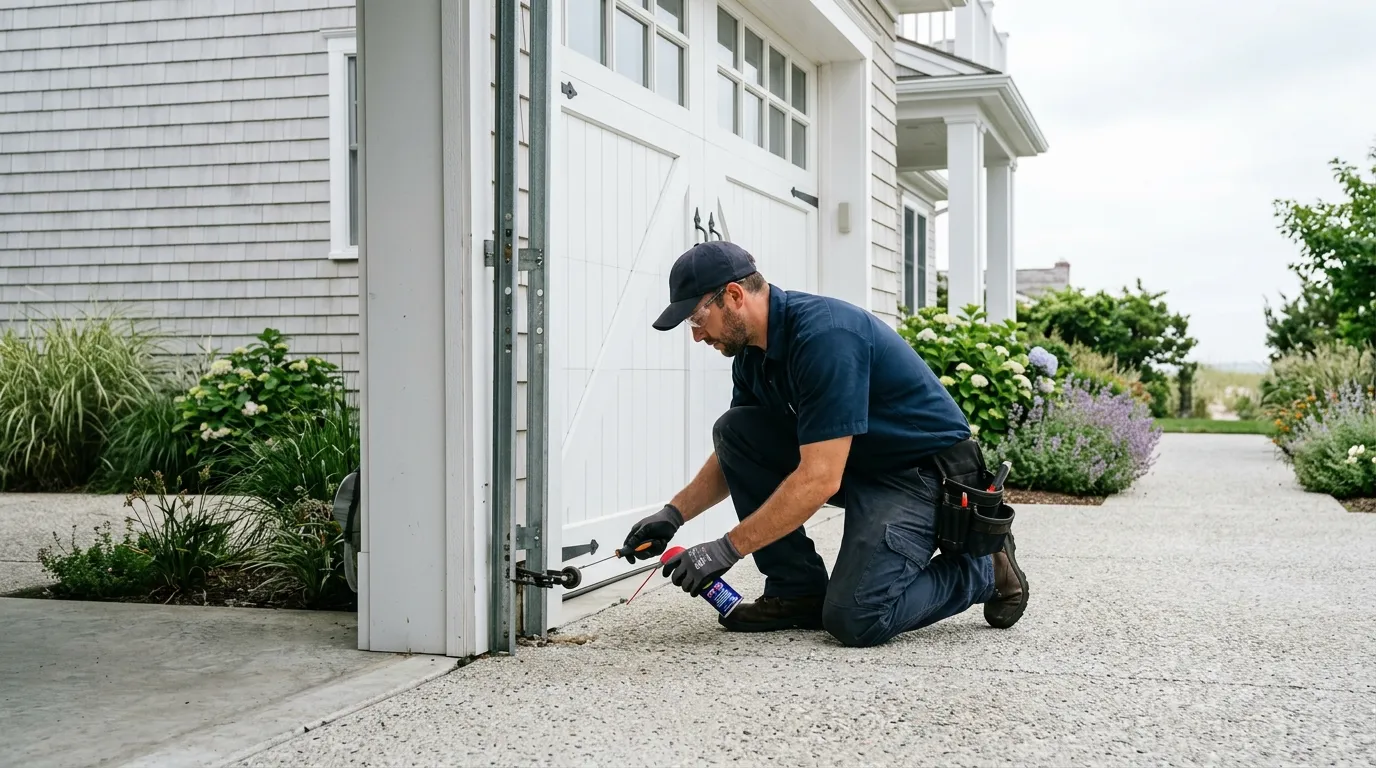
Garage Door Repair
Springs, cables, tracks, rollers, and openers fixed by a tech who explains the problem before touching anything.
Learn more →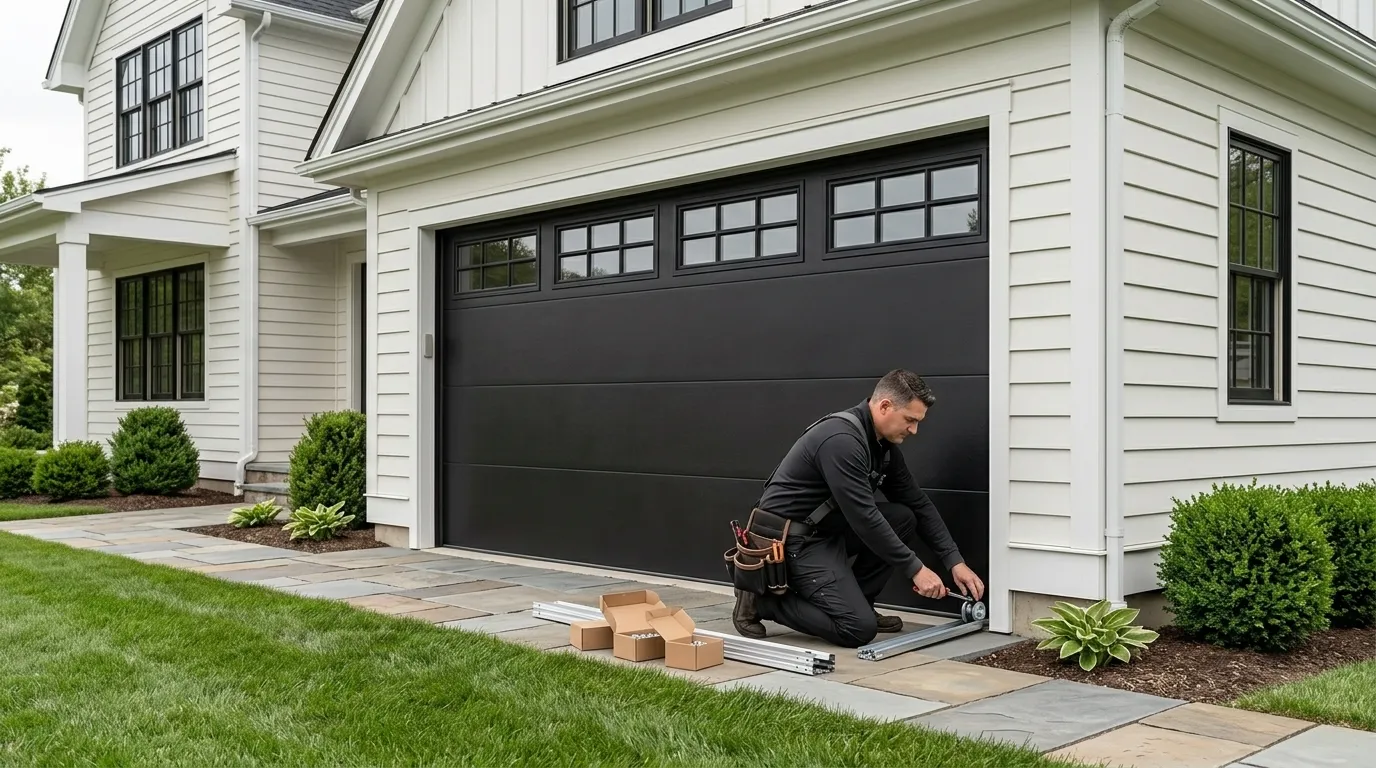
Garage Door Installation
New sectional doors sized and installed for the housing stock actually built in this area.
Learn more →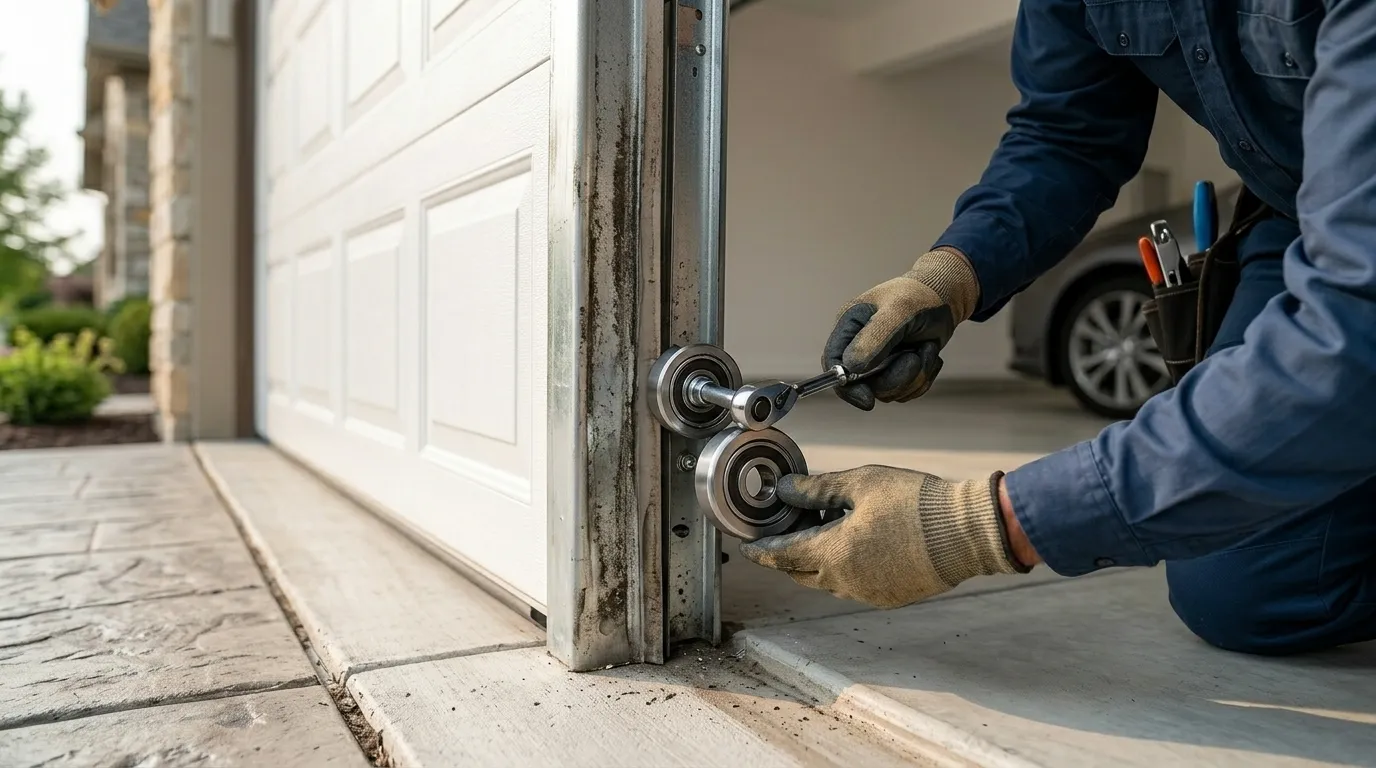
Garage Door Service
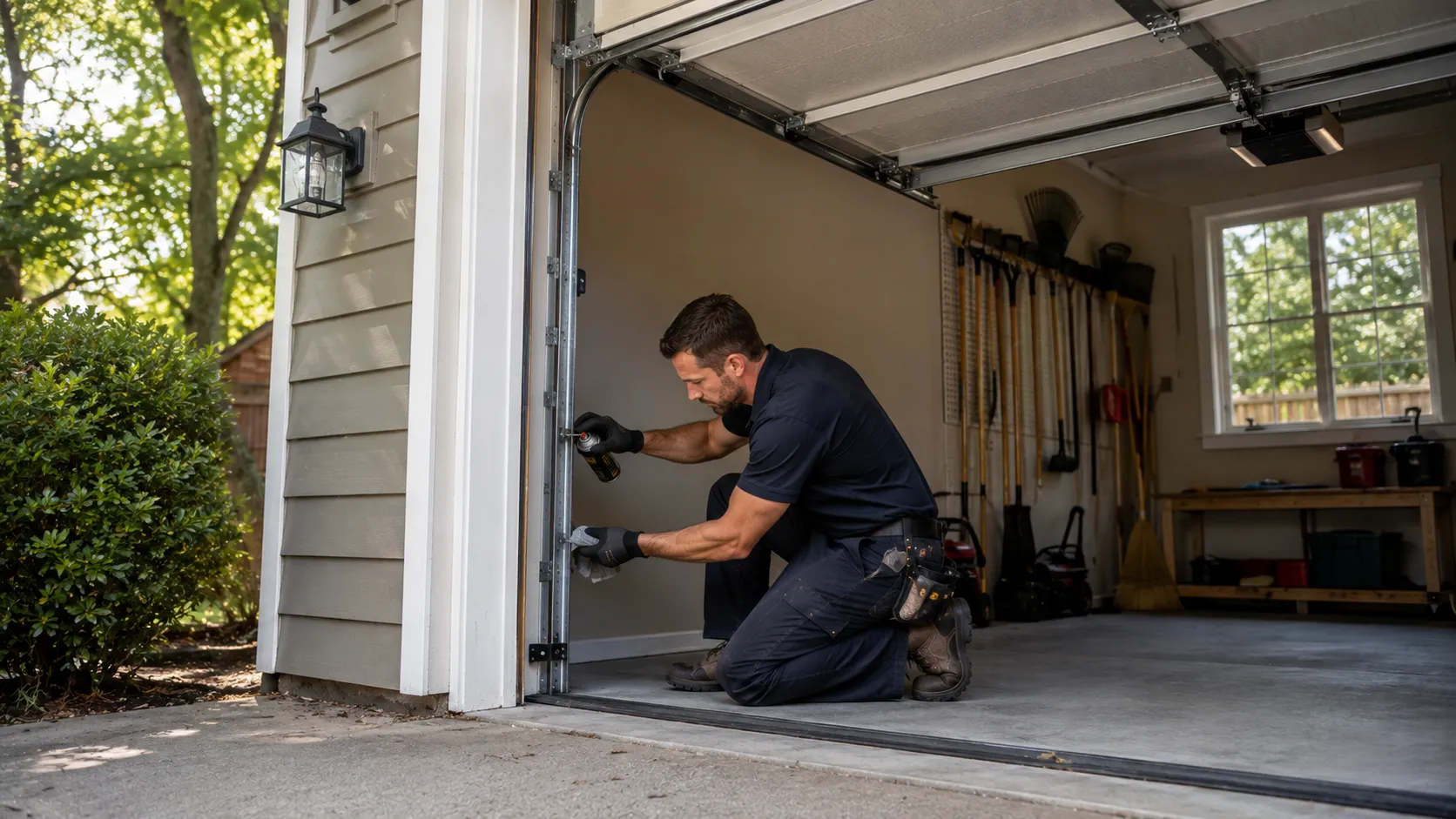
Tune-ups, lubrication, and safety checks that catch a small problem before it becomes a service call.
Learn more →Frequently Asked Questions
Why do my garage door sensors only act up in winter?
Cold contracts the wood jamb the sensor bracket is screwed into, and Glenview's freeze-thaw cycle repeats that contraction and expansion all winter. Each cycle nudges the bracket a little further out of square, so the beam that lined up fine in October can be misaligned by January, especially on original brackets from an older build.
Can I just replace the sensors myself?
You can, and on a door original to the 1960s-70s stock common in Glenview that's often the right call, since old brackets lack the shock-mounted isolators newer kits have. But if the jamb wood behind the bracket has softened, a new sensor in the same soft mount will drift again - that part needs a look before you buy anything.
The light on one sensor is off. Is that the sensor or the opener?
Usually the sensor or its bracket. A dead or dim LED almost always means a power or alignment fault at the sensor, not the opener's control board. Clean the lens, check the bracket is square, and check the wire for nicks before assuming the opener itself needs work.
Have a Door That Needs a Second Opinion?
Call and describe what it is doing - we will tell you what it likely is.