
Glenview Garage Door Guide
Detached vs Attached Garage Doors: What's Different in Glenview
Glenview's housing stock runs 1938-1996 with a 1968 median build year, so detached and attached garage doors age and fail differently here. Here's what to check and why.
- Licensed & Insured
- Same-Area Service Calls
- Upfront Pricing
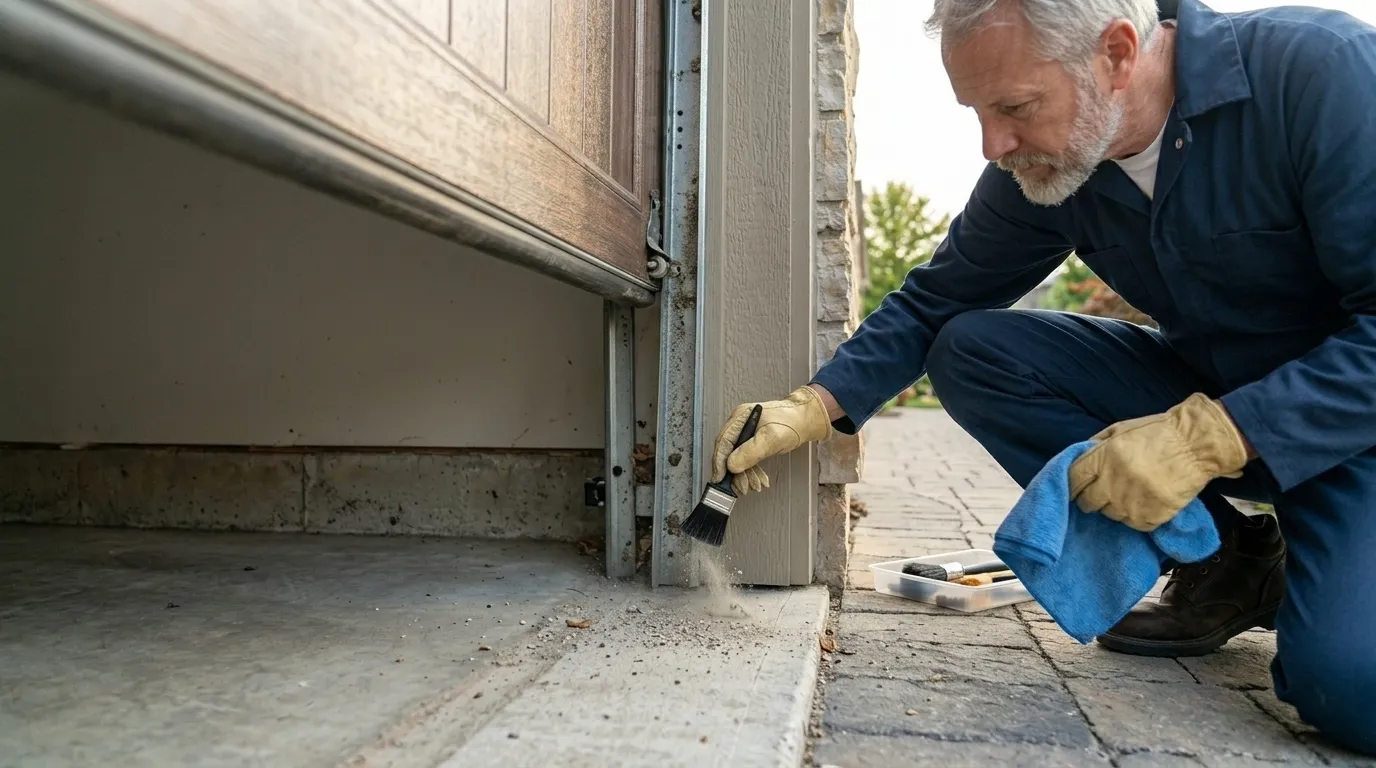
Checking It Yourself
Start by figuring out which kind you have, because the checks aren't the same. On an attached garage, the door shares a wall with a heated room, so look for gaps around the top seal and daylight around the frame - that's heat and cold air trading places right next to where people sleep.
On a detached garage, which is common on older lots here, walk the perimeter first. Houses in this part of Glenview mostly went up between 1938 and 1996, with the median build year sitting at 1968, so a lot of original detached-garage hardware - side-mounted torsion springs, older galvanized track - is past its expected service life and worth a look before winter, not after a spring lets go.
Run the door by hand with the opener disconnected. It should move smoothly and stay put at waist height.
If it drops or shoots up, the spring is out of balance - more common on detached units where nobody notices a slow slide until the door won't open at all. Check rollers for flat spots and listen for grinding, which shows up first in unheated detached structures where grease stiffens overnight.
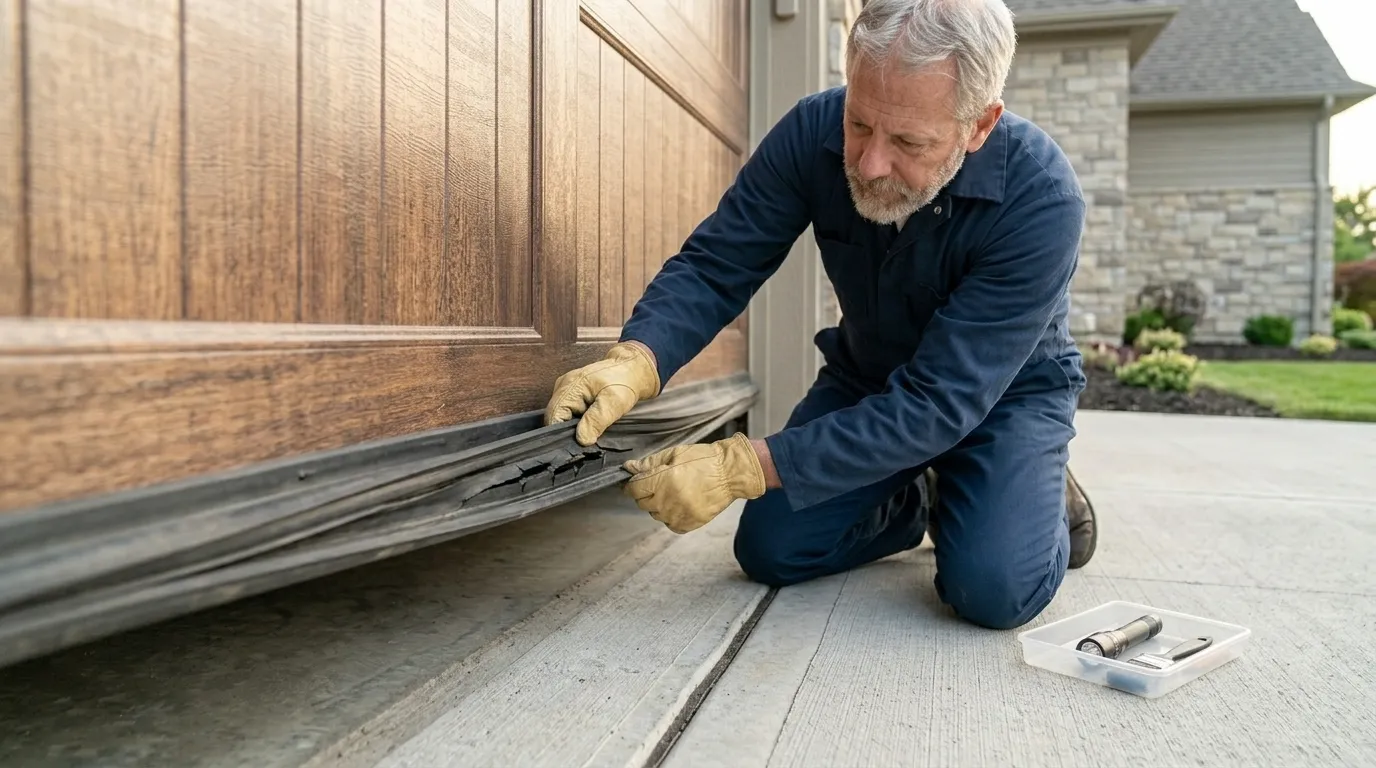
What the Weather Here Does to It
Glenview sits in a cold, moderate climate band, and that plays out differently depending on which type of garage you own. A detached garage has no shared wall to a heated room, so it swings through the full outdoor temperature range every night. Metal contracts, torsion springs lose a little tension, and nylon rollers get brittle faster than they would in a garage that stays a few degrees warmer just from sitting against the house.
An attached garage keeps some residual warmth from the house, but that comes with its own problem: moisture. Cars bring in snowmelt and road salt, and with one wall shared against living space, that humidity has fewer places to go than in a freestanding structure with airflow on all four sides. Salt residue corrodes cable and bottom brackets faster on attached doors here than the detached ones a few yards away.
Either way, the cold-moderate swings this area sees are hard on lubrication and hardware built for an average temperature range, not the extremes at either end of a Glenview winter.
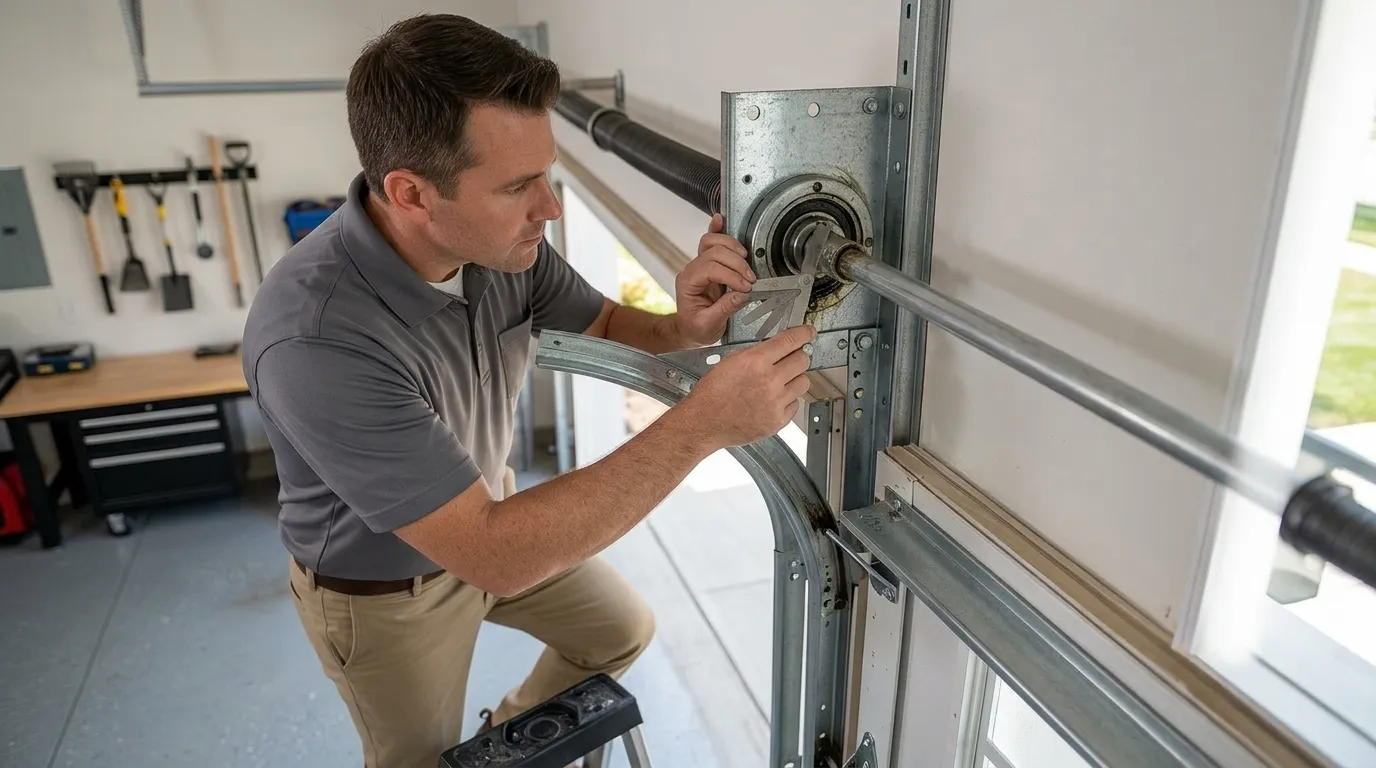
The Problem
Most of the housing stock across this service area - mostly 1960s and 70s construction - was built with garage hardware sized for the doors and springs available at the time, not for 50-plus years of expansion and contraction. On detached garages, that often means a spring that was never resized when the original wood door was swapped for a heavier steel one, so it's been overworked for years without anyone noticing.
On attached garages, the more common issue is the shared wall itself settling slightly over decades, which throws the frame a few degrees out of square. The door still closes, but it binds on one track and wears rollers unevenly on that side. Neither of these shows up as an obvious failure until the day the door won't move, which is why an attached door and a detached door on houses built the same year in Glenview can fail for completely different reasons within a few months of each other.
When to Call Someone
If a detached garage door won't hold its position when you lift it by hand, that's a spring problem and not something to keep working around - a spring under the wrong tension can let go fast, and older side-mounted units on 1960s-70s detached garages are the ones we see fail hardest. If an attached door drags on one side or the frame looks visibly out of square, that's worth a look before you replace parts that aren't actually broken.
Here's the honest limit: if the jamb on a detached garage has rotted or shifted enough that the door won't sit square no matter how the track is adjusted, that's a carpentry problem before it's a garage door problem, and we're not going to sell you new hardware to hang on a frame that needs rebuilding first. In that case, fixing the structure has to come before the door.
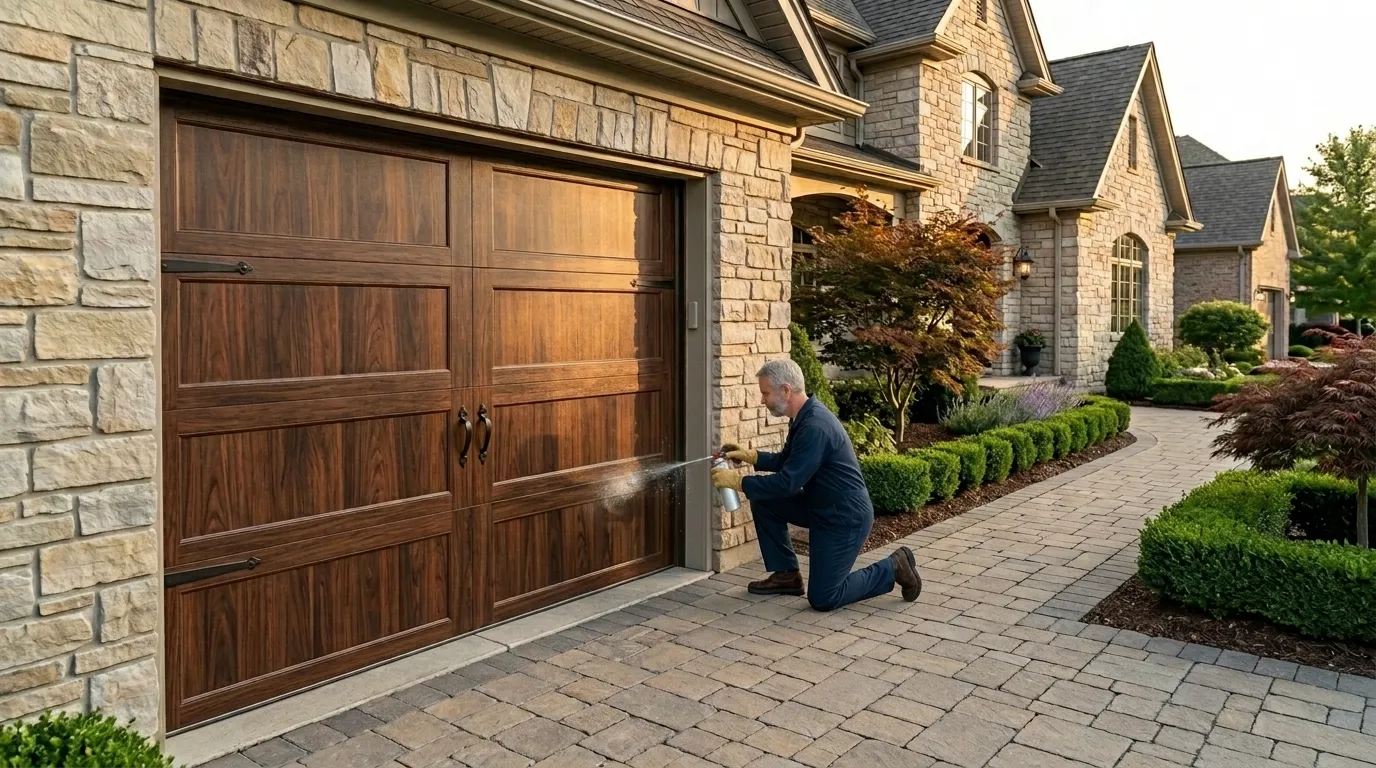
How We Can Help
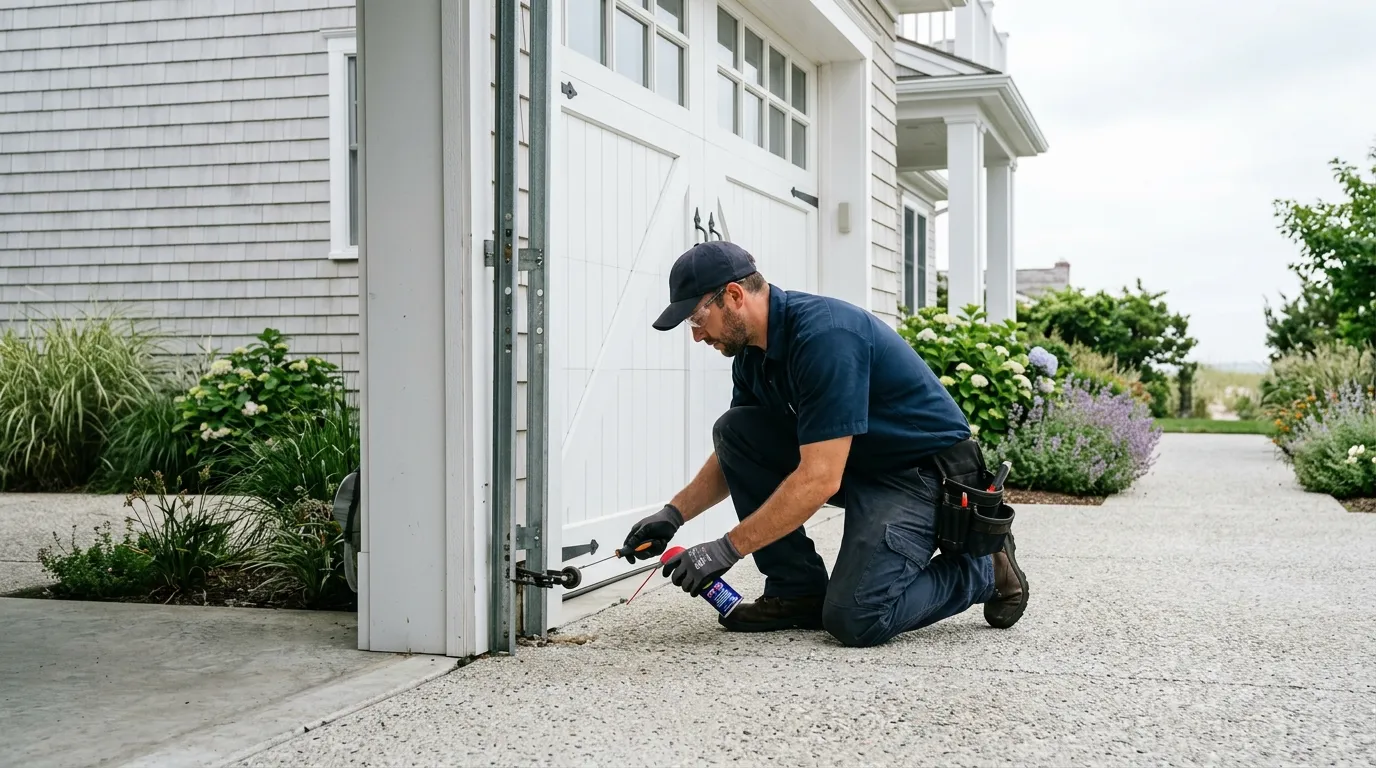
Garage Door Repair
Springs, cables, tracks, rollers, and openers fixed by a tech who explains the problem before touching anything.
Learn more →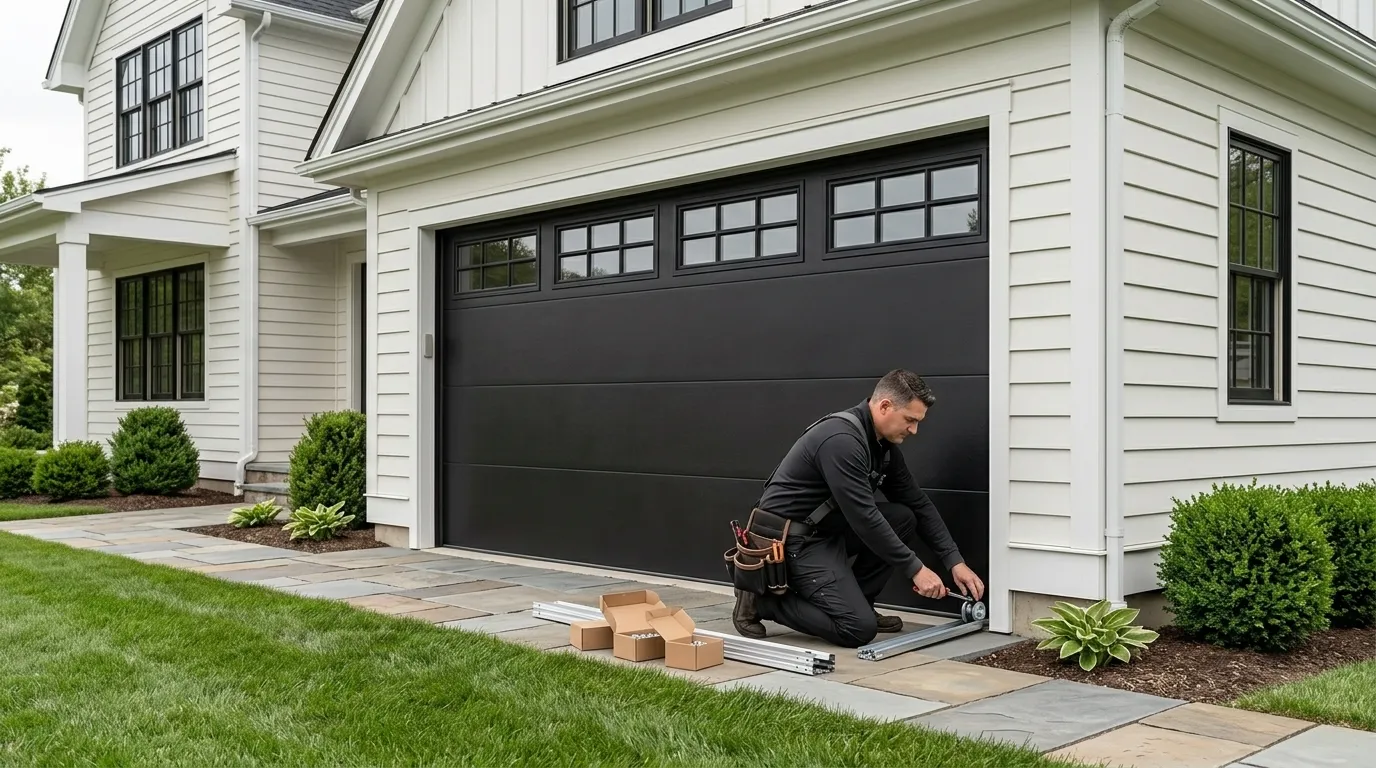
Garage Door Installation
New sectional doors sized and installed for the housing stock actually built in this area.
Learn more →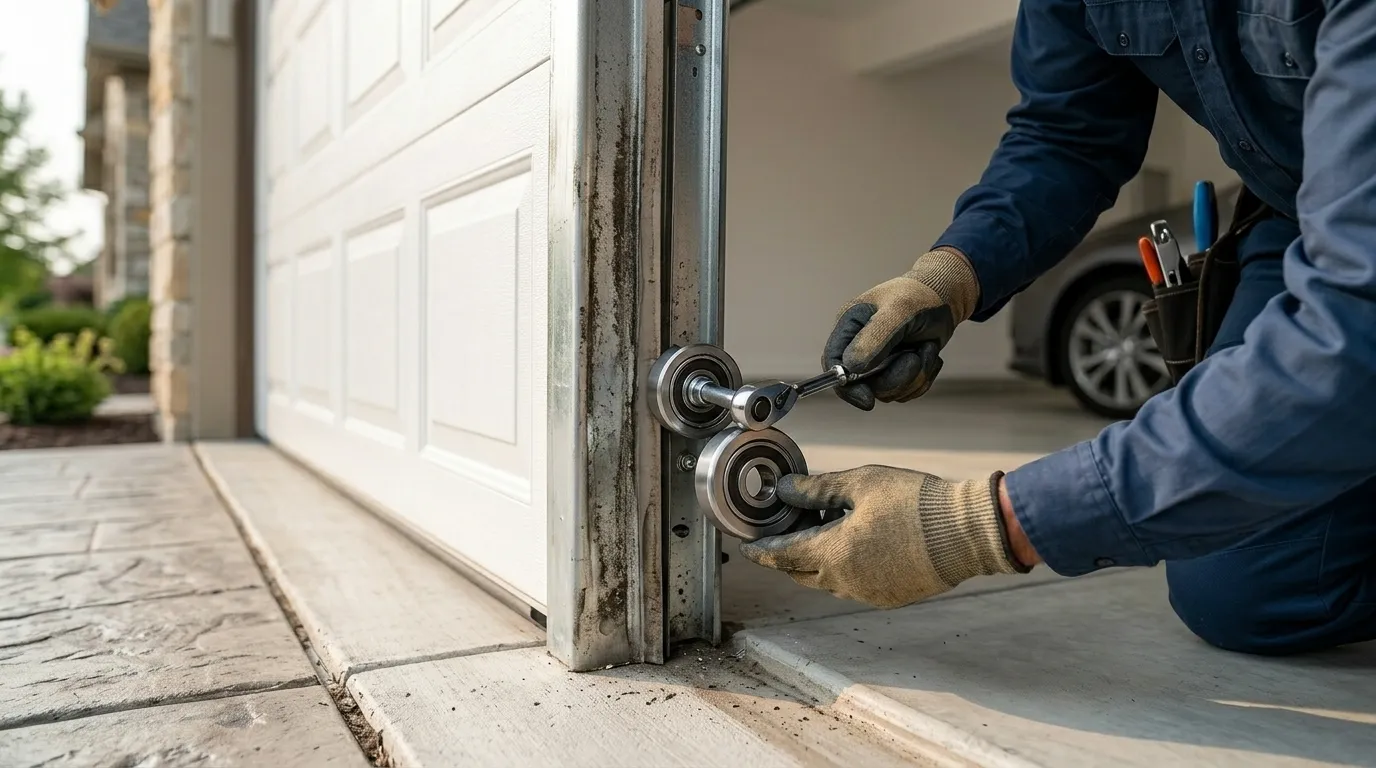
Garage Door Service
Tune-ups, lubrication, and safety checks that catch a small problem before it becomes a service call.
Learn more →Frequently Asked Questions
Does a detached garage need a different kind of door than an attached one?
Not usually a different door, but often different spring sizing. Detached garages in Glenview see wider temperature swings since there's no shared heated wall, so springs and rollers wear a little faster and benefit from checks more often than an attached door's would.
Why does my attached garage door feel damp in winter?
Cars tracking in snowmelt and road salt raise humidity, and with a shared wall to the house there's less airflow to dry it out than in a freestanding detached garage. That moisture speeds up corrosion on cable and bottom brackets.
My house was built in the 1960s - is the garage hardware original?
It's possible. Housing in this area was mostly built in the 1960s and 70s, and original torsion springs and track from that era are well past a normal service life. Worth having it checked, especially on a detached structure that's never been touched.
Is it ever not worth repairing a detached garage door?
Yes, if the jamb or frame has shifted or rotted enough that the door can't sit square. At that point the structure needs work before new hardware makes sense - we won't install a new door or spring on a frame that isn't sound.
Have a Door That Needs a Second Opinion?
Call and describe what it is doing - we will tell you what it likely is.