
Glenview Garage Door Guide
What to Know Before You Buy a Replacement Door in Glenview
Glenview homes mostly date to the 1960s-70s boom, with original openings built for doors that no longer match today's stock sizes or insulation standards. Here's what that means for you.
- Licensed & Insured
- Same-Area Service Calls
- Upfront Pricing
Checking It Yourself
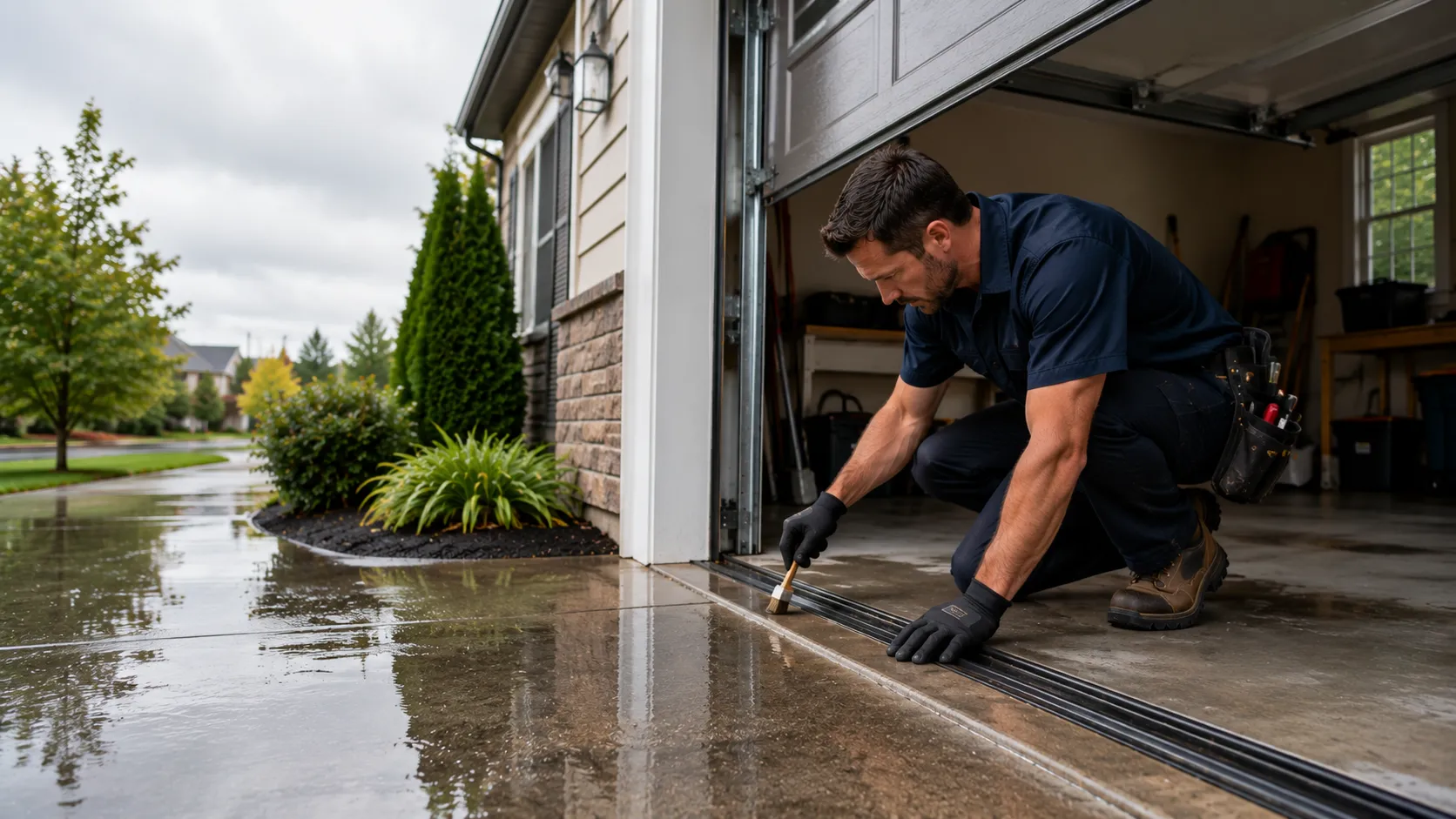
Start with the opening itself, not the door. Glenview housing runs from 1938 to 1996 with a median build year of 1968, and most of the stock across the area's named subdivisions went up in that 1960s-70s stretch. That matters because openings from that era were framed for single-layer steel or wood doors, often a hair narrower or shorter than what's sold off the shelf today.
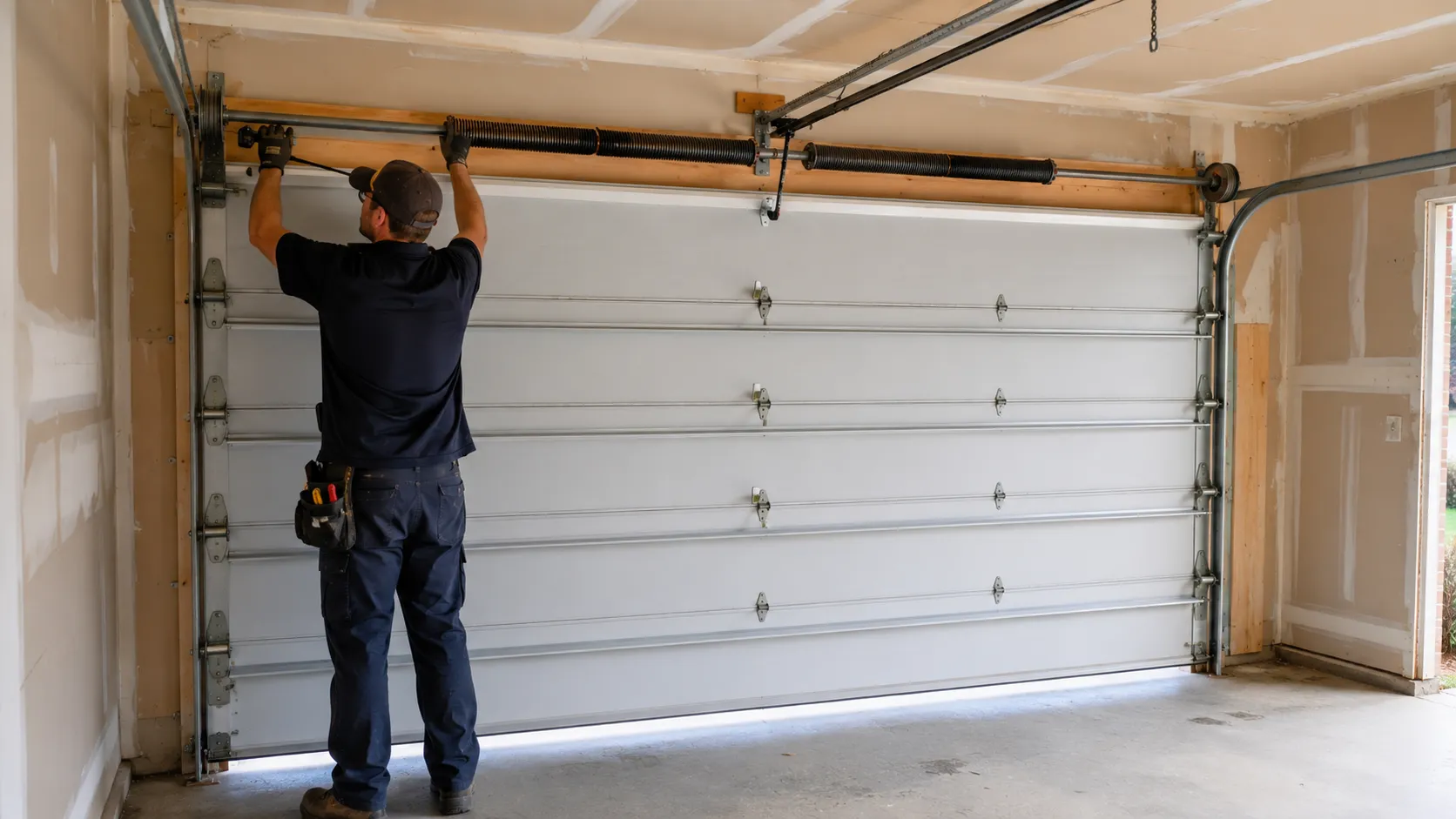
Measure your rough opening width and height before you shop, and check whether the track has room for a modern torsion spring setup or if you've still got the old extension-spring-over-the-door style bolted to the header. Look at the jambs too. Original framing from that period sometimes has settled or been re-sided over, which changes the effective opening by an inch or more.
Snap a photo of the spring, the track, and the header trim. If you're not sure what you're looking at, that's fine - most buyers aren't. But showing up to a supplier with real measurements from your actual opening saves you from ordering a door that doesn't fit, which is the single most common holdup on a replacement job.
What the Weather Here Does to It
This is a cold-moderate climate, which means the door on your house rides through real winters and humid summers, not a mild coastal swing. On a home built before insulation standards caught up - a lot of the 1938-1996 stock here - the original door may be a single steel skin with no thermal break, and the garage itself may never have been meant to hold heat. If you're replacing, that's the moment to decide whether you want an insulated door section, because retrofitting insulation into an old door shell after the fact rarely works well.
Cold cycling also stresses steel panels and hardware faster than mild climates do - hinges corrode, rollers stiffen, and steel contracts enough in a hard freeze to make a marginal fit worse. None of this means your door is failing. It means the choice of panel type and weatherstripping matters more here than it would somewhere with a milder year-round climate, and it's worth spending on those specs rather than skipping to whatever's cheapest.
The Problem
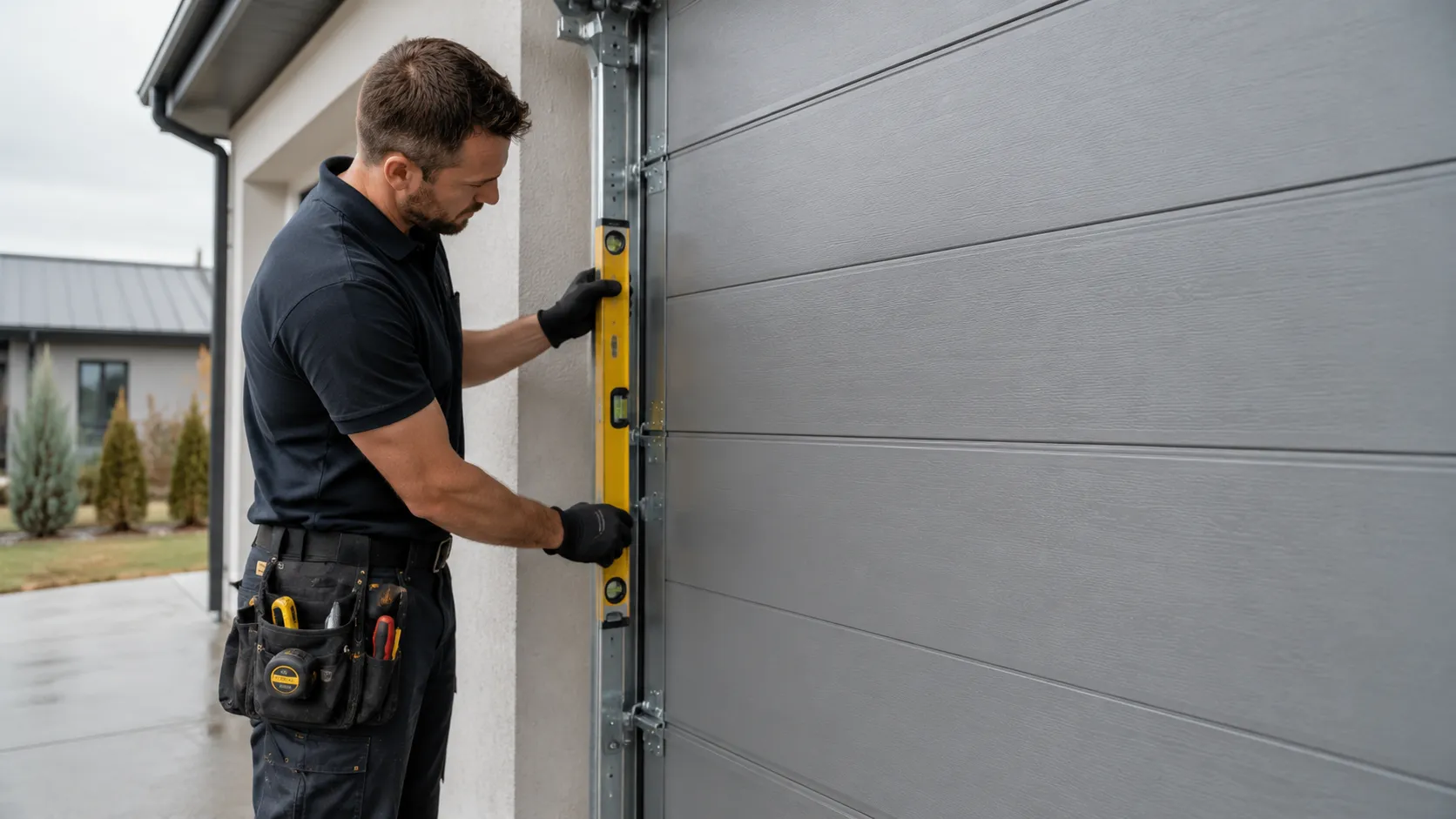
The problem homeowners run into is buying a door sized for a modern opening and installing it into a house built decades before those dimensions were standard. With median household income here at $104,478, plenty of buyers default to a premium insulated door without first confirming the opening will take it cleanly - and end up paying for trim-out work that a correctly measured order would have avoided. Across the broader area, 173,378 of the roughly 359,594 households are owner-occupied houses, meaning most of the housing stock in reach of this company is the kind where the original owner or a prior one made whatever modifications came before you.
You don't know what's behind that header until someone opens it up. A door bought on spec, without checking the actual framing, is the single biggest source of return trips and change orders.
When to Call Someone
Call before you order if your house falls in that 1938-1996 range and you haven't confirmed the rough opening yourself - a five-minute check now beats a delivery that doesn't fit later. Also call if you're seeing daylight around the door frame, if the track hardware looks like the original extension-spring style rather than torsion, or if you just want someone to confirm your measurements before you commit to a size.
One honest limit: we don't stock every custom width on the truck, so an unusual opening from an older Glenview home may mean a short wait on a special order rather than a same-day swap. That's worth knowing going in rather than after you've already picked a door.
How We Can Help
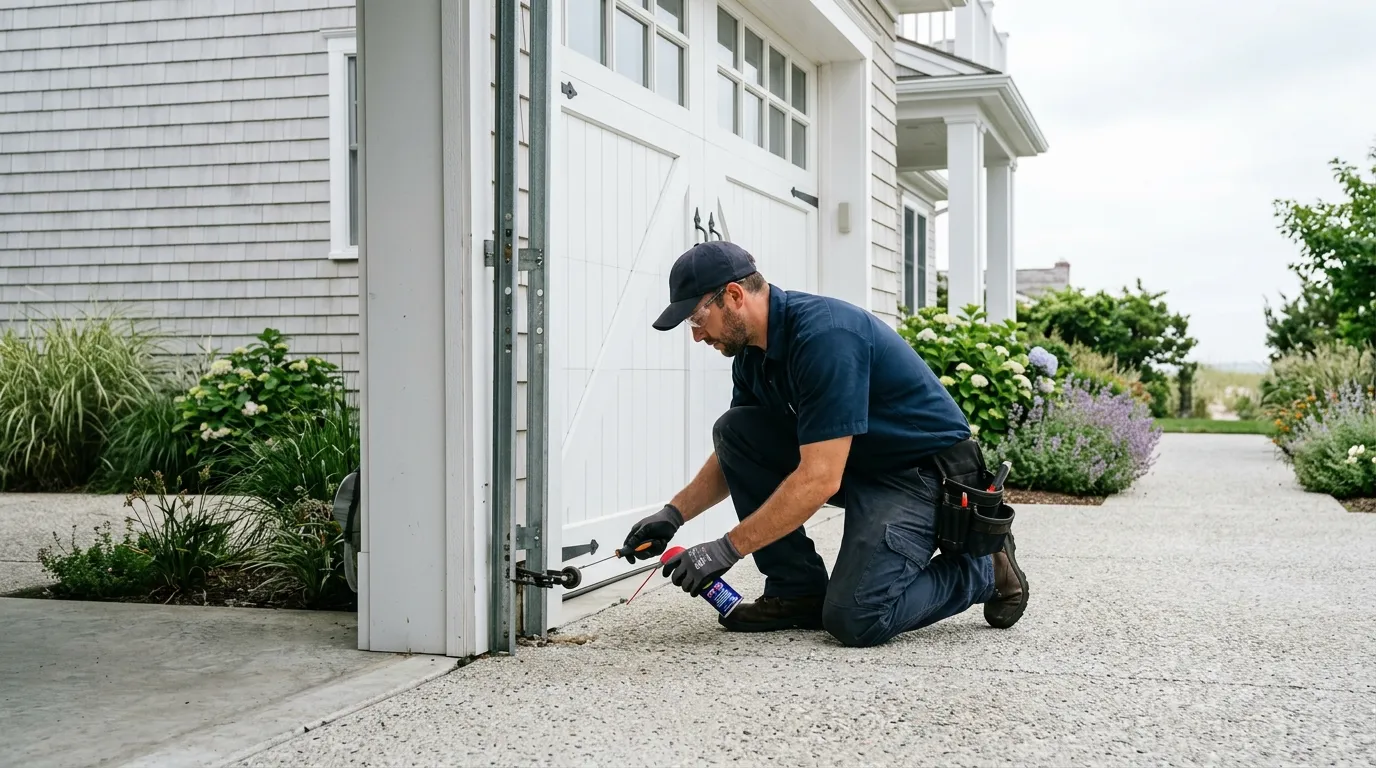
Garage Door Repair
Springs, cables, tracks, rollers, and openers fixed by a tech who explains the problem before touching anything.
Learn more →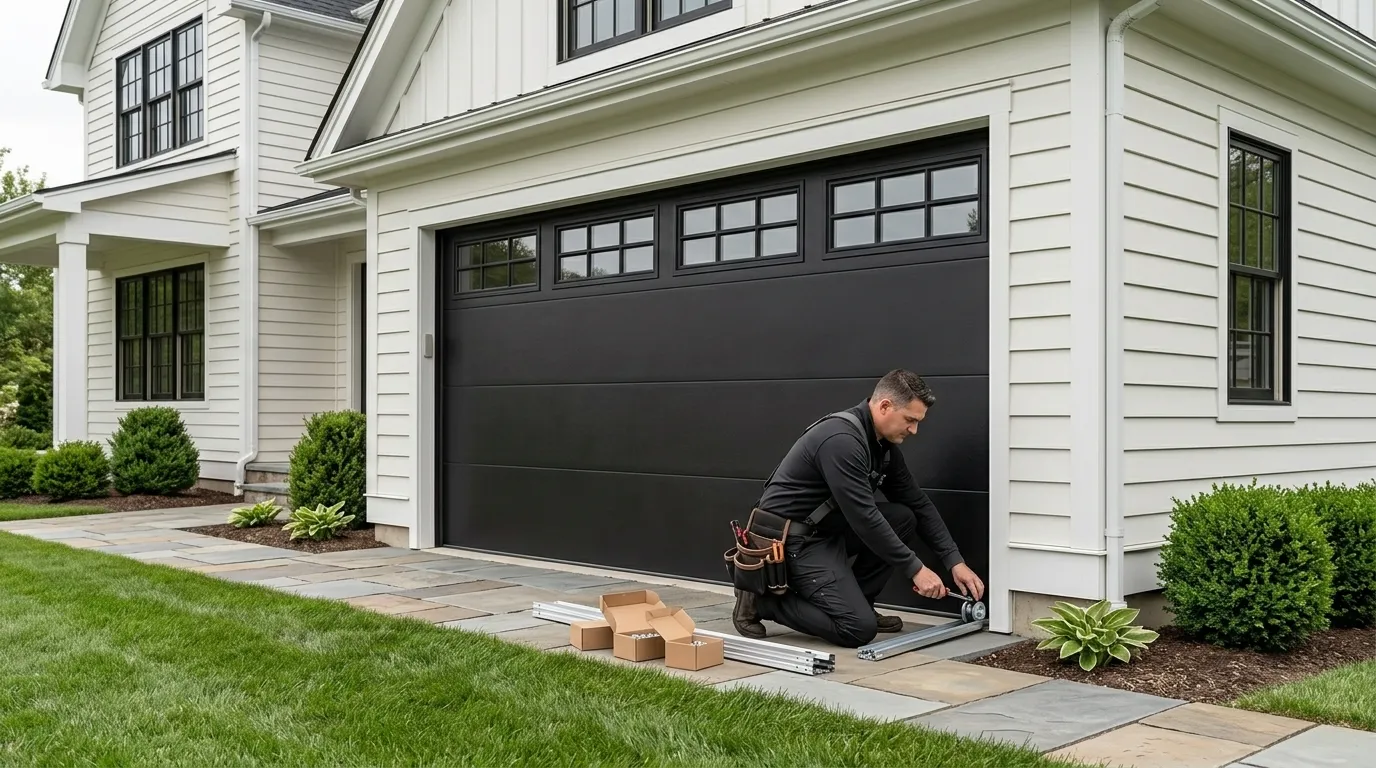
Garage Door Installation
New sectional doors sized and installed for the housing stock actually built in this area.
Learn more →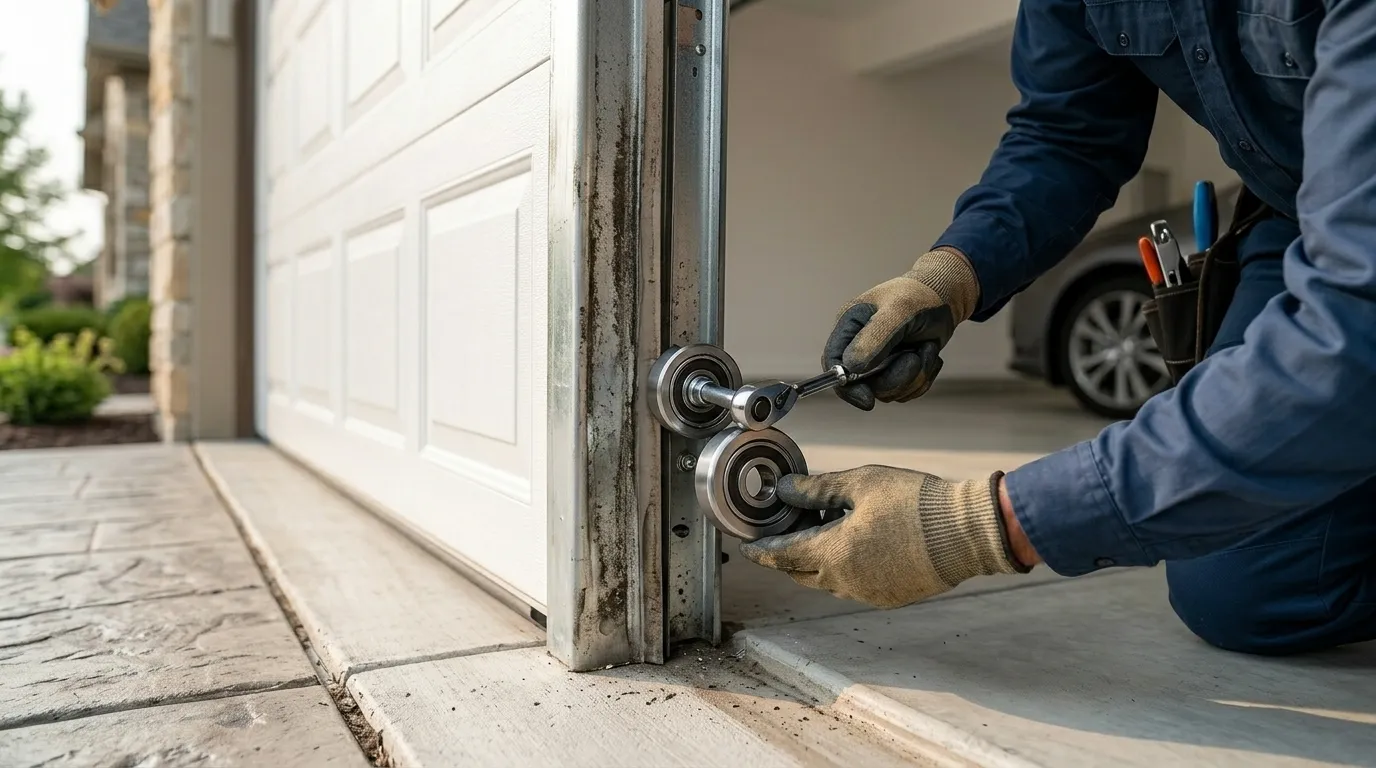
Garage Door Service
Tune-ups, lubrication, and safety checks that catch a small problem before it becomes a service call.
Learn more →Frequently Asked Questions
Will a new garage door fit my old opening without modification?
Often yes, since most doors here fall into standard widths, but homes built in the 1938-1996 range sometimes have openings a little off from today's standard sizes. Measure the rough opening before ordering. If it's off by an inch or two, trim-out work can usually close the gap without reframing.
Should I get an insulated door given the winters here?
Given the cold-moderate climate this area sits in, insulation is worth paying for, especially if the garage is attached or shares a wall with living space. It won't turn a garage into a heated room, but it cuts down on cold transfer through the largest opening in the house.
Why does my old door not match the sizes sold today?
A lot of homes here were built between the 1960s and 70s, when door sizing and spring systems differed from current standard stock. That's usually the mismatch - not a defect in your house, just an older spec meeting a newer product line.
Have a Door That Needs a Second Opinion?
Call and describe what it is doing - we will tell you what it likely is.